

If you were to tell the story of your life what would it be? In this article we will help you depict your own life story through expressive arts activities and nature. Expressive arts offer a profound journey into self-discovery. They enable us to explore the self, know the self, and ultimately grow the self. Through the process of creating our life story, we uncover hidden aspects of our personality, gain insights into our true desires and fears, and foster personal growth and transformation.
Also, sometimes life may feel overwhelming, like we’re caught in a whirlpool of emotions. We feel stuck, unsure of how to navigate through our challenges. During these times, finding a way to express our feelings can be incredibly healing. This is where the power of creativity comes in, particularly through the use of expressive arts. Engaging in creative activities allows us to explore our inner world, find clarity, and experience emotional release.

Expressive Arts

Expressive arts encompass a wide range of activities, including photography, drawing, painting, writing, dancing, and music. These activities help us communicate feelings that words alone cannot express. They offer a safe outlet for emotions and can bring about a sense of peace and understanding. Studies have shown that engaging in creative activities can reduce stress, enhance mental clarity, and improve overall well-being.
“Art washes away from the soul the dust of everyday life.”
Pablo Picasso
Life Story Walk
A walk in nature allows us to calm our mind chatter and access the creative side. By being mindful of our senses we can focus on the beauty of the present moment and access the many healing gifts that nature has to offer. This creates a wonderful space for self-reflection and self-expression. In most of our Nature Calm posts we have multiple activities for groups – however, for this activity we recommend you take a solo walk in nature or go with someone that you are comfortable sharing your life story with.
Things you need to bring: A notebook, a pen, your phone camera, and an open mind. By the end of the walk you should have a creative expression of your life story depicted in your journal. This walk can also be a great way of learning about the life story of people you are close to.
1. Past and Present
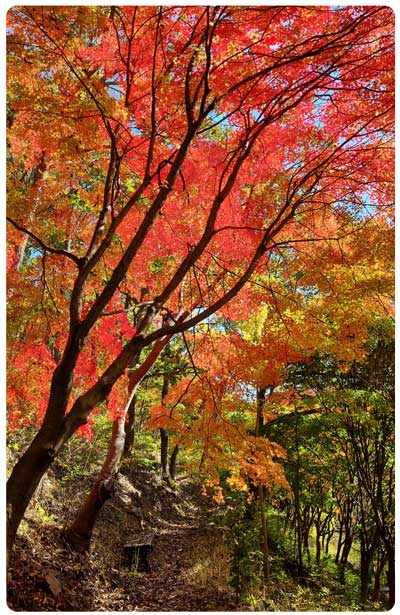
As you embark on your nature walk, take a moment to reflect on your life’s journey. Bring along a camera or simply use your phone to take 2 photographs. Begin by taking a photo that represents your past. An image that symbolises your life’s journey so far or reminds you of your roots and where you come from. Perhaps a winding path that symbolises your life’s twists and turns, or an unusual tree that calls out to you?
Next, as you continue your walk, seek out a scene that embodies your present. A photo that represents the current state of your life. Spend some time contemplating what this image means to you and how it connects to your life story. These two images, representing your past and present, become visual markers of your life’s journey. This exercise not only helps in reconnecting with your personal history but also brings a sense of clarity for your present.
Use your journal to write down what these photos meant to you and why you took those particular shots.
2. People and Pebbles
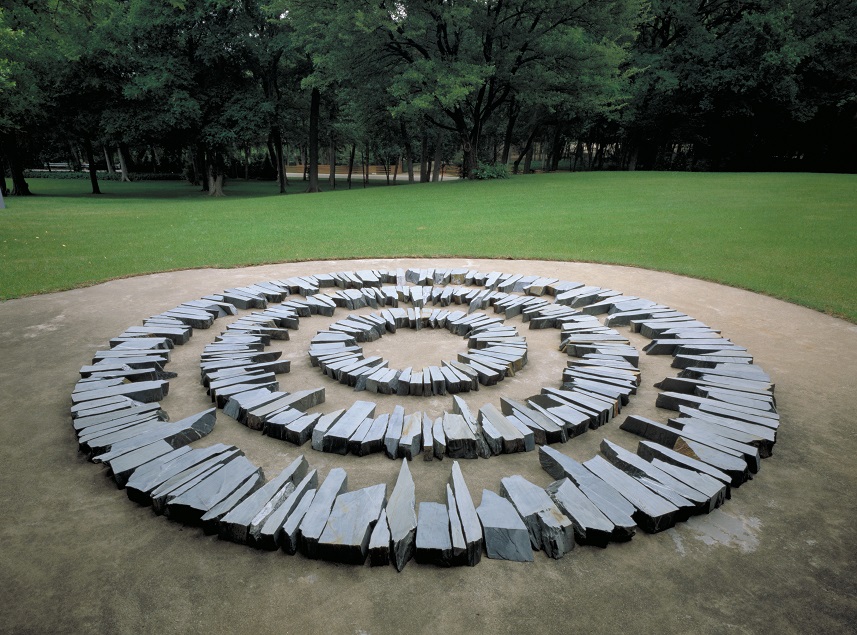
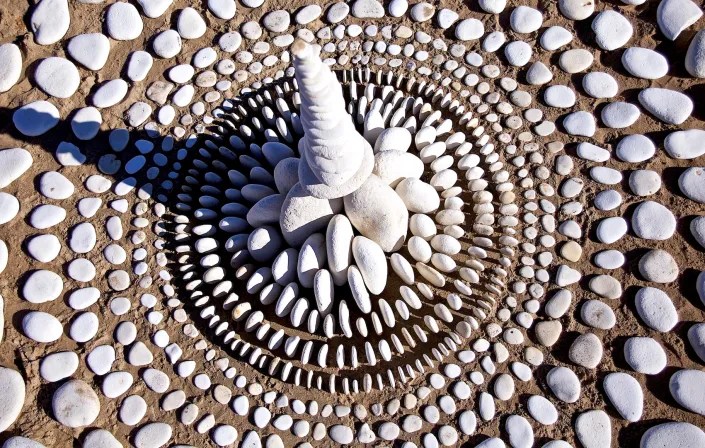
Find a peaceful spot during your nature walk where you can sit comfortably. Draw two sets of concentric circles on the ground using a stick or your finger. The first set of circles represents your past, and the second set represents your present.
Start with the circles representing your past. Gather some small pebbles and think about the people who have been part of your life. Place the pebbles on the circles according to how close they were to you at that time. People who were very close to you, like family members or best friends, go in the inner circles. Those who were significant but more distant can be placed in the outer circles. Next, move to the circles representing your present. Repeat the process, placing pebbles to symbolize the people currently in your life. Notice how some people might have moved closer or farther away over time.
In your journal, make an ordered list of all the names from your inner circles. This activity helps you visualize the changing dynamics of your relationships. It allows you to reflect on the importance of these connections and how they have shaped your journey. Seeing these patterns can bring a deeper understanding of your interpersonal growth and the shifting nature of your emotional landscape.

3. Places and Moments
For the next activity take out your journal and write down the two most significant moments in your life so far. These moments could be either positive or negative. As you write, think about the impact these events had on your life and the lessons they taught you. Perhaps a challenging experience taught you resilience, or a positive change brought you a sense of purpose. Reflecting on these turning points helps you understand your personal growth and writing down the wisdom you gained, provides insights into the person you have become. Our life is but a collection of moments expressed in time.

4. Painting of Life
For the next activity, listen to your favorite song using your phone and earphones. Immerse yourself in the music, allowing it to flow through you. If you feel comfortable, let your body move to the rhythm, dancing freely among the trees. For those who are shy, take a slow, mindful walk and observe the gentle dance of leaves and canopies swaying with the wind.
As the song ends, find a quiet spot to sit and bring out your journal. Using the inspiration from your musical and natural surroundings, create a painting themed “Dance of Life.” Let your brush or pen flow freely, capturing the essence of movement and the interconnectedness of all things. Don’t worry about creating a masterpiece of art; the goal is to express yourself freely. This activity encourages you to express the vitality and rhythm of life, blending your inner emotions with the song of nature.

5. Personality Poles
Like all stories, our life story also has a hero and a villain. Instead of looking outside we’ll do an inner enquiry to find out the light and shadow side of our personality. Begin by looking for something in nature that represents a positive aspect of yourself. For example a flower could symbolize kindness or a sturdy rock stands for strength. Pick up this item and hold it as you walk, thinking about how this quality has shaped your life and interactions.
Next, seek out something that represents your shadow side. For example a thorny branch may symbolize anger or a fallen leaf could represent a past failure. Carefully collect this item, acknowledging that everyone has aspects of themselves they’d like to improve or understand better.
In your notebook, write down your reflections on these qualities. Consider how your positive trait has helped you and how you can continue to nurture it. Then, reflect on your shadow side, thinking about how you might learn from it or transform it. This exercise helps you embrace the full spectrum of your character, recognising that both light and shadow contribute to your unique life story.
6. Possibilities: Our Future Story
As you wander through nature, let yourself be drawn to a place that resonates deeply with you. It might be a sunlit clearing, a quiet spot by a stream, or beneath a majestic tree. Sit down and take in your surroundings, noticing the sights, sounds, and feelings that arise. Reflect on why this place called out to you. Perhaps it evokes a sense of peace, strength, freedom, or inspiration.
The emotions you feel and things that draw you, point to the values that are important to you. List down these life values. Next, think about your life goals. Write them down and prioritize them according to the values that are most important to you.

By aligning your goals with your core values, you create a roadmap for the next chapter of your life story, grounded in what truly matters to you. This reflective exercise helps you envision a future that honours your deepest values and guides you toward meaningful and fulfilling aspirations.
Expressive Arts: A New Alternative
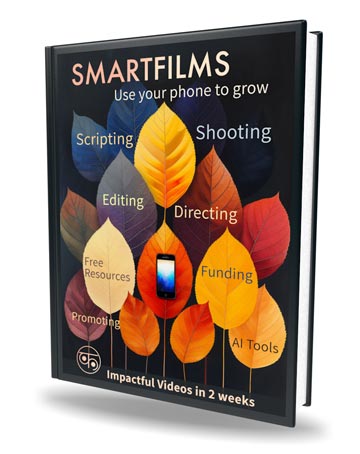
In the age of smartphones, every phone has a camera but few people know how to tap into its full potential.
I am the founder of Healing Forest project and primarily a filmmaker. You may have seen some of my films on this website.
I have just released this ebook as a guide for absolute beginners. It’s a fascinating way to go on a creative adventure and create something wonderful.
Expressive Arts: Origin and Therapy
The practice of using art for healing has ancient roots. Cultures around the world have long recognized the power of creative expression for emotional and spiritual well-being. In modern times, expressive arts therapies have emerged as a formal field, incorporating art, music, dance, drama, and writing to promote healing.
Expressive arts are used in various settings, from hospitals and therapy centers to schools and community programs. They help individuals of all ages, from children dealing with trauma to adults managing stress and mental health issues. A practical example is the use of art therapy with veterans suffering from PTSD. Creating art allows them to process their experiences and emotions in a non-verbal way, leading to significant improvements in their mental health.
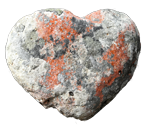
One inspiring story comes from a young woman who found solace in painting during her battle with cancer. Through her art, she was able to express her fears and hopes, which helped her cope with the illness and find strength. Her paintings became a source of inspiration for others, showing the profound impact of creativity on healing.
As you can see, the power of creativity through expressive arts is immense. It allows us to explore our emotions, find healing, and connect with our true selves. Whether through a simple drawing, a heartfelt poem, or a photograph, the act of creating can be a powerful tool for personal growth and emotional well-being. As we embrace the healing power of art, we open ourselves to new possibilities and a deeper understanding of our inner world.

End Note: I hope this article adds some new experiences to your life story – and the expressive arts walk brings you a deeper understanding of your self. Please share this post with those who will find it useful – especially younger audiences who are at cross-roads and those pebbles in your life who were part of your inner circle.
To get inspiring new nature ideas from around the world, join our free monthly newsletter.











 Healing Forest