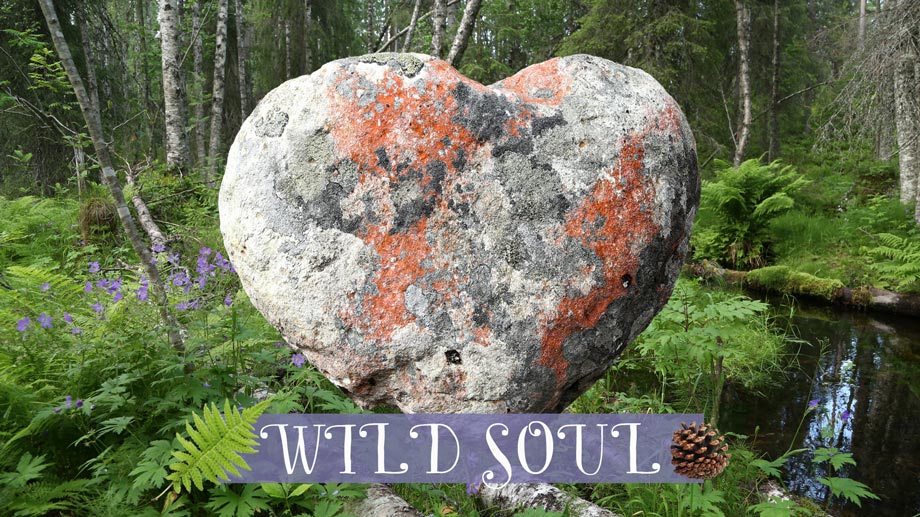
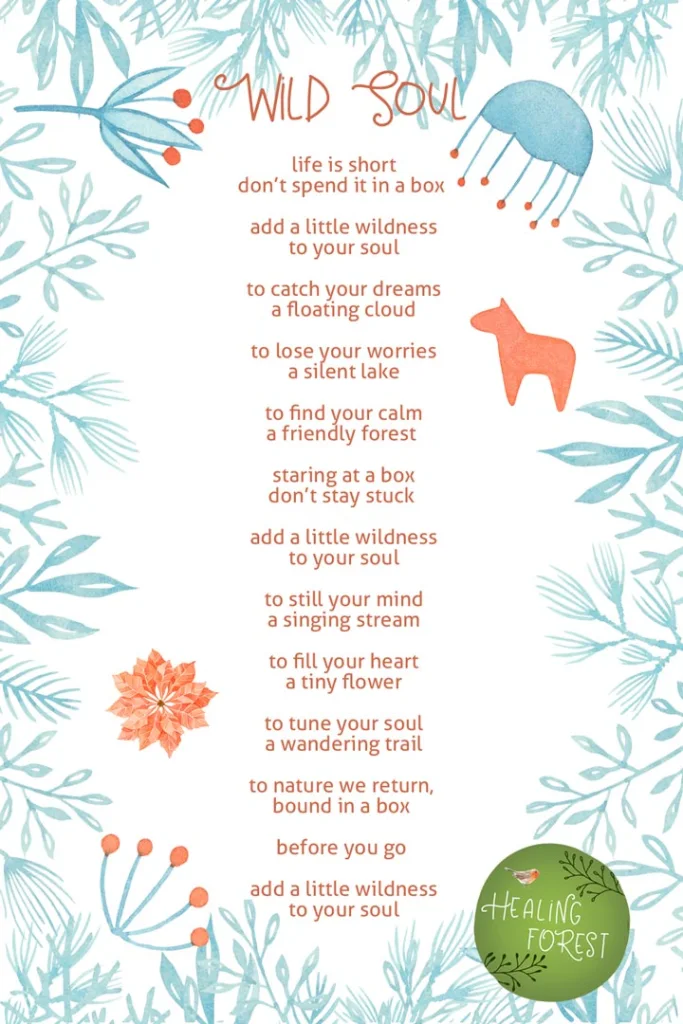
Here’s a nature poem from one of the wild places of our amazing planet. A short poem that urges you to come closer to nature and add some wildness to your soul.
In this short film we see the hidden beauty of the forests from the arctic circle of Sápmi also known as Lapland. A region from the northern parts of Finland, where very few people live. What secrets do these forests hold? And what can we learn from the people who call this land their home?
Covered in snow and cloaked by darkness, the forests of the north are sleeping for a large portion of the year. But when the short summer arrives for a few months, the golden sun cast it’s rays on this wild land and reveals what is concealed. Endless green carpet of conifers, dotted with dark lakes that glint silver when seen from top of the surrounding hills. Occasional reindeer, a medley of birds and a carnival of wild flowers and berries add their own magic to this surreal landscape.
The people of this ancient land believe in making the most of all seasons. While winter is their playground, summer is the time for embracing the celebration of life. They know the bitter-sweet truth about nature. Some things are hidden so that their wildness can be treasured. Perhaps it is the same with the wildness of our soul.
*Turn on sound and watch in full screen. Visuals and words by Nitin Das | Music: Patrick Hawes | Special thanks: Maria Nurmela, Tuija Syrjaniemi | Location: Lapland, North Finland.
Feel free to use this video and poem as you please. A download link to this poem is given at the end of this post. You can also check out our Nature Calm course with 100+ ideas to re-wild your soul.
WILD SOUL
LIVING INSIDE THE BOX
The modern world is designed around boxes. We live in a box, travel in a box, work out of a box and are reading this post from a box. However, as a species we have evolved and existed outdoors for more than 99% of our human history. This disconnect from the outside world is beginning to show in our society.
As per this article in New York Times: City dwellers have a higher risk for anxiety, depression and other mental illnesses than people living outside urban center. These developments seem to be linked to some extent, according to a growing body of research. Various studies have found that urban dwellers with little access to green spaces have a higher incidence of psychological problems than people living near parks and that city dwellers who visit natural environments have lower levels of stress hormones immediately afterward than people who have not recently been outside.
Creating a connection with the wildness outside is way of keeping the wildness within alive.
~People of Lapland
THINKING OUTSIDE THE BOX
The good news is that we can always turn to nature to boost our mental health as well as mental wealth. Effects of being in nature begin to show in as short as 20 minutes, but the longer time you can spend the better it is for you. Here are some interesting exercises based on the Japanese concept of Shinrin-yoku or forest mindfulness.
Wild Fractals: Fractals are self-repeating patterns that occur very frequently in nature. Like the shape of a river delta or the branches of a tree. Unlike the complexity of human designs which have many sharp lines and angles, the fractals are very easy on the eyes. Seek out fractals in nature and when you find one, take time to trace it with your eyes. Start from one edge point and slowly follow it till the other end point. Interestingly, our nerve connections in the eye are also fractals.
Wild songs: Natural silence is one of the most endangered resources on our planet. We are surrounded by noise. But sounds have a direct link with our subconscious mind. Go out into nature and collect the sounds that you hear. Stay still and make a list of all the different natural sounds you can hear. By focusing on the softer, gentler sounds we are able to cut off the chatter in our own head.
Wild food:Finding edible food from the forest that has not be touched by any harmful chemicals or human interventions is an energising adventure. Whether it is berry picking, mushroom hunting or gathering wild herbs for tea, you will be rewarded not just by the joy of the activity but also the nutritious delight that boosts your immunity and health.
There are many such activities scattered around our website. Explore the pages to find new ideas and other wild places.
END NOTE: . We hope this poem added a little wildness to your soul. Please share this post with friends who are spending far too much time in front of a box. Here’s a download link to our nature poem – wild soul.
You can subscribe to our monthly blog posts at this link. We are a small group of friends trying to find new ways to reconnect people with nature. Our aim is simple. Helping people heal. Helping forests heal.
Stories of forests, rivers, mountains, deserts and magical beings who call these places home. Journey to some amazing places through these short forest stories and learn the wisdom of nature.
These stories will fill you with wonder and awe. Every forest story contains within it, a tiny seed of wisdom. We hope you can plant it in your life and enjoy the fruits later.
*At the very end of this post are some unique forest gifts. Don’t forget to check them out.
Amazing Fact: Orinoco Delta is a vast fan shaped
delta located in eastern Venezuela, where the Orinoco River meets the sea.
Fable: The kids were lost. A group of children from a small village at the edge of the Orinoco River had stolen a canoe to have some fun, but the currents carried them far out into the delta. They shouted for help, but deep in the jungle there was no one to come to their rescue. As night fell the children were afraid they would never be found and end up being eaten by a jaguar.
Tired and hungry, they were on the verge of tears when they heard a gentle whisper. They looked up to see a Moriche palm tree, waving in the wind. The palm offered the children its fruit. With food in their stomach, the children gained strength to look around. The Moriche palm introduced them to other members of the forest and soon the children had many friends. They learnt to use wood to build houses and leaves for roofs. They found places to find food and water, herbs for medicine and even ways to dress up and decorate themselves.
Many years later, a group of adventures canoeing down the river were surprised to see a small settlement on a forested island deep in the jungles. The children had learnt the ways of the forest and were now living comfortably amidst the labyrinth of waterways. The Moriche palm came to be known as the ‘tree of life’ and the children grew up to be the Warao Indians also known as ‘canoe people’.
Moral: When in trouble, look to nature for
answers.
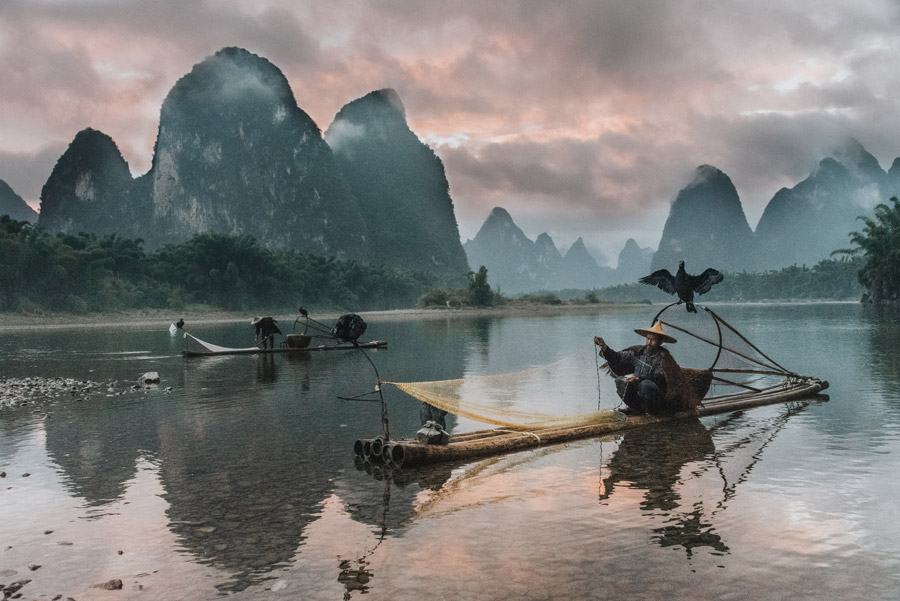
Li River – Picture by Sam Beasley / Unsplash
FOREST STORY FROM CHINA | Artist and the river
Fable: In ancient China lived an artist whose paintings were almost life- like. The artist’s fame had made him proud and conceited. One day the emperor wanted to get his portrait done so he called all great artists to come and present their finest work, so that he could choose the best. The artist was sure he would be chosen, but when he presented his masterpiece to the emperor’s chief minister, the old man laughed. The wise old man told him to travel to the Li River, perhaps he could learn a little from the greatest artist in the world.
Reduced
to tears with anger and curiosity, the artist packed his bags and left to find
out this mysterious master. When he asked the villagers on the banks of the
river for the whereabouts of the legendary artist, they smiled and pointed down
the river. The next morning he hired a boat and set out to find the illustrious
painter. As the small boat moved gently along the river he was left speechless
by myriad mountains being silently reflected in the water. He passed milky
white waterfalls and mountains in many shades of blue. And when he saw the
mists rising from the river and merging with the soft clouds surrounding the
peaks, he was reduced to tears. The artist was finally humbled by the greatest
artist on earth, Mother Nature.
Moral: We have a lot to learn
from Nature, the most important thing being humility.
Forest Stories & Magical Walks
If you are stuck in a concrete jungle, but love forests and stories then check out our collection of 10 Magical Walks. The best forest story after all, is the one that you’ll create for yourself.
At the end of this post, visit our Nature Play page to learn life’s most useful lessons through play. Small steps that help you achieve big dreams.
FOREST STORY FROM AFRICA | The Bushmen
Amazing fact: The Bushmen are one of the oldest inhabitants of Africa and have lived in the Kalahari Desert for over 20,000 years.
Fable: A long, long time ago the Creator was distributing the lands on the earth amongst various races. Some people got beautiful regions with plenty of sunshine and rain. Some were lucky to get big rivers flowing through the lands which were fertile for growing food. A few of them got thick forests rich with animals and birds. One by one the races came to the creator and went back happily to live in the land given to them. Only a tiny group of people were left. When the Creator looked on to Earth he only found a vast stretch of sandy desert left. It was a terrain that was very harsh to live in, with many difficulties. The Creator told the people that while all he could offer them was a life in the desert and the bush, he was going to give them a special gift. He would give them purity of heart and the joy of friendship. The people, now known as the Bushmen, were happy with the offer and learnt to live and love the land they call home. Many other races have not been able to survive in much better climates and regions, but the Bushmen have continued to live in the Kalahari for thousands of years.
Moral: If you have good friends, the harshest of places can become bearable.
FOREST STORY FROM AUSTRALIA | 3 Sisters
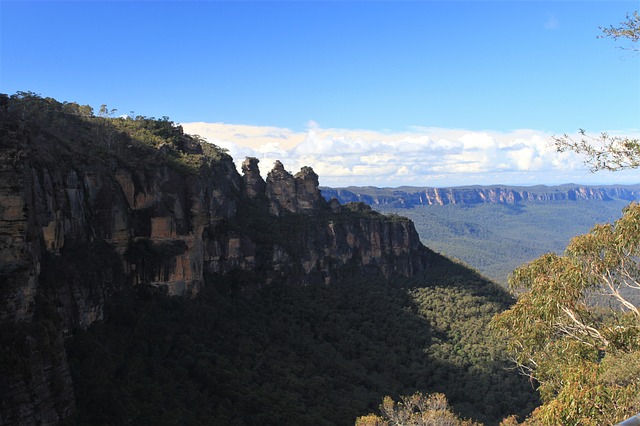
3 Sisters, Australia – Pic by Dougie Frew / Pixabay
The Three Sisters is a rock formation in the Blue Mountains of New South Wales, Australia. They are close to the town of Katoomba and are one of the Blue Mountains’ best known sites, towering above the Jamison Valley. Their names are Meehni (922 m), Wimlah (918 m), and Gunnedoo (906 m).
Fable: Long ago in the Blue Mountains, three Aboriginal sisters; Meenhi, Wimlah and Gunnedoo lived with their father, a Witch doctor named Tyawan.
In the same forest lived a gigantic creature that was feared by all – he was the Bunyip. Tyawan who knew where he lived would leave his daughters on the cliff behind a rocky wall where they would be safe while he would collect food.
One day, waving goodbye to his daughters he descended the cliff steps. On the top of the cliff, a big lizard suddenly appeared and frightened Meenhi. She picked up a stone and threw it at the lizard. The stone rolled away over the cliff and crashed into the valley below. Suddenly, the rocks behind the three sisters split open, leaving the sisters on a thin ledge.
There was a deep rumble from below and the angry Bunyip emerged from his sleep. He looked up to see who had rudely awakened him and there perched on the thin ledge he saw the sisters cowering in fear. Furiously he lurched towards them.
In the valley, Tyawan heard the cry and looked up to see that the Bunyip had almost reached his daughters. Frantically the Witch Doctor pointed his magic bone at the girls and turned them into stone. They would be safe there until the Bunyip was gone and then Tyawan would return them to their former selves.
The Bunyip was even more angry when he saw what had happened and he turned on Tyawan and began to chase him. Running away, Tyawan found himself trapped against a rock which he could neither climb nor go around. He quickly changed into a Lyrebird and disappeared into a small cave. Everyone was safe but Tyawan had dropped his magic bone. The Bunyip returned angrily to his hole. Tyawan crept out of the cave and searched for the bone, and is still seeking it while the Three Sisters stand silently waiting, hoping he will find the bone and turn them back to their former selves.
You can see the Three Sisters today from Echo Point and in the valley you can hear Tyawan, the Lyrebird, calling them as he searches for his lost magic bone.
Moral: The forests are beautiful, but you must always be careful to know what creatures live there.
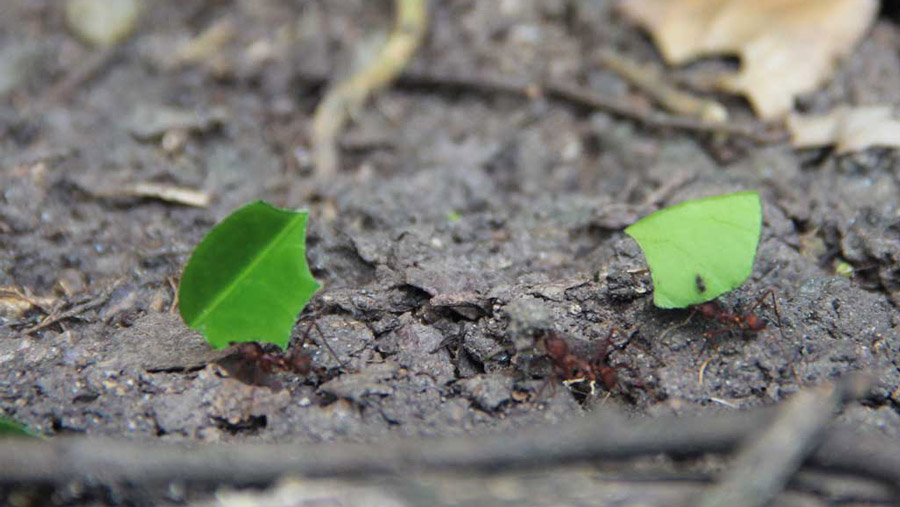
Leaf ants – Pic by Healing Forest
FOREST STORY FROM MEXICO | Ant and the Bear
Fable: An ant was on its way to collect food when it came across a black bear cub who was crying. Curious, the ant climbed up the bear cub and asked him why he was crying. The cub told her that he had fallen into the ditch and was unable to get out. The little ant told the bear not to worry for she would get the bear out of the ditch. The bear cub was surprised, for how could a tiny any lift him out.
Now it so happened that the ant was no ordinary ant. It was a leaf cutter ant. The ant rushed back to her nest colony which had millions of ants and told them about the problem. Together they cut the leaves off from the orange trees and kept dropping them into the ditch, until the ditch began to fill up and the bear could easily climb out.
Moral: Common people can create big revolutions when they get together.
Amazing fact: Leaf cutter ants live in large and complex societies which are second only to humans. In a few years their nests can span more than 30 meters and contain millions of ants.
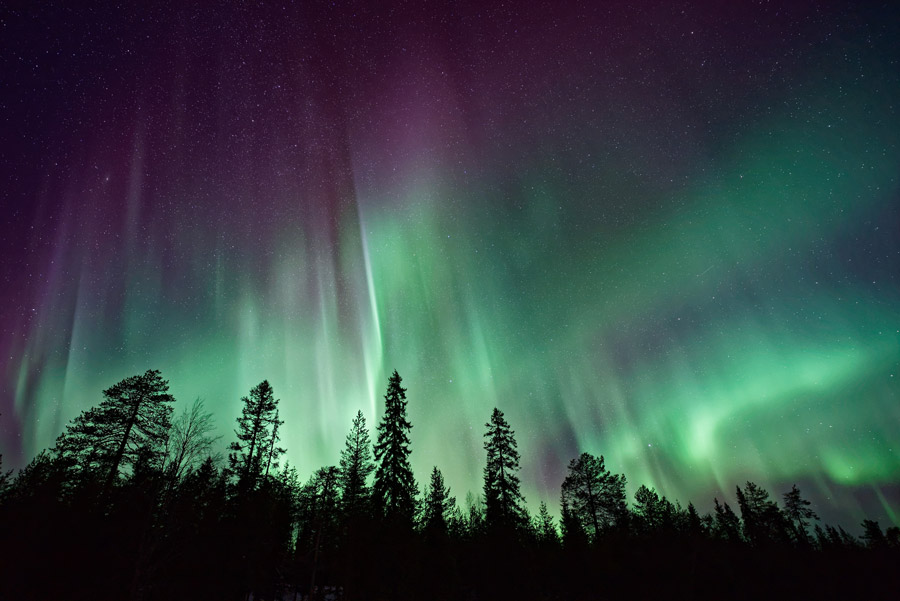
Northern Lights – Pic by Vincent Guth / Unsplash
FOREST STORY FROM NORWAY | The Aurora
Fable: To the king of the skies was born a daughter so pretty that she gave the Moon a complex. The King raised her in strict discipline as a prim and proper princess, for he had laid many careful plans for her future. But despite his best efforts the pretty princess fell in love with wild dancing. She would put on her emerald dress with flowing ribbons of light and dance her way into the night. Watching her beauty, many a Star fell for her. As the princess and her admirers grew so did the King’s anguish, for he could not bear to watch a royal princess dance for the common people. Finally, he put forth a hard choice for the princess – either marry the Rainbow prince, settle down and give up dancing, or be banished for life to the edge of the Earth. The princess made her choice. To this day, you can often catch her dancing in the skies of the northern hemisphere and see the Stars falling. Not many people have experienced her beauty, but those who have are changed for ever.
Moral: Every choice has it’s tradeoff, but it’s easy to choose if your priorities in life are clear.
Amazing Fact: Northern Lights or the aurora is a natural light display in the sky of the arctic regions. The dancing lights are a form of intense space weather, a result of the atmosphere shielding the Earth against fierce solar particles that would otherwise make our planet unsafe for life. The lights occur frequently between September and October and then occur again between March and April. They are also visible sometimes in the winter.
FOREST STORY FROM U.S.A. | The Wolves
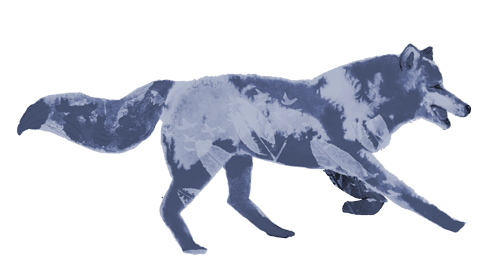
Fable: Not so long ago, the President was troubled, for the wolves were slowly vanishing from the forests. He was desperate to save the noble animal, so he called all his scientists and ordered them to find a way to conserve the beautiful wolves. The scientists came up with big plans and ideas, from creating protected areas to captive breeding. Some even suggested cloning. To some extent they were successful in raising the population of the wolves, but soon the hunters became even more active and the wolves started disappearing at a faster rate.
The President was extremely sad, but a wise counsellor suggested he take the help of the storytellers. So a new approach was found and the creatives were called. Musicians made beautiful songs on the wolf, the writers wrote enchanting stories, and photographers and filmmakers captured the beauty of the illusive wolf and its importance for our forests. Soon the word spread and the people joined in the movement for protecting the wolf. Slowly the wolf numbers began to rise and balance was restored to the forests.
Moral: Scientists create a better life, but we also need artists and storytellers to create a better world.
Write Your Own Forest Story
Not so long ago, we lived in harmony with nature. However, modern lifestyles have taken us away from the forests and their stories. What story does the future hold for you? And, how will you prepare yourself to face the challenges that lie ahead?
Check out our Nature Play activities to reconnect with the forest. You will learn life’s most useful skills through nature. Skills that schools, books, or internet can’t teach. Choose the link above or tap the rabbit below.
Our connection with nature is a continuously unfolding story and we are all part of its magic. Read about the Japanese practice of Forest Bathing to know why being in Nature is so good for us.
Now more than ever, we need forest stories that connect us back to nature and the beings who live there. It’s because things we connect to, are the things we care for.
END NOTE: To get new stories, films, & inspiration from the forest, you can join our free newsletter. We are a small group of friends trying to find new ways to reconnect people with nature. Our aim is simple. Helping people heal. Helping forests heal.
The quest for understanding the self and search for the meaning of life is as old as memory. No one can give us the correct answer because for each one of us, the path to the answer is different. But clues are all around in nature because understanding the Self is linked to understanding life. In this post, we look for answers in nature by numbers and see where they lead us.
Many people are afraid of Math because no one helped them make friends with numbers. Nobody introduced them to the wonder and wisdom that is hidden in the language of the Universe.
After all the positive feedback for our learning program and requests for more nature games, meditations and mindfulness activities we have come up with this interesting walk format. We hope these mindfulness exercises help you create new learning and a new respect for yourself. Because nature and numbers are a part of you, just as you are a part of them. But first, here’s an inspiring film by Cristobal Vila.
NATURE BY NUMBERS FILM
NUMBERS IN NATURE
Let us take a slow and gentle walk in nature. Our aim is to observe and reflect. Walk with a few like minded friends or go alone. Carry a pen and paper to note down your insights and experiences. And be open to try something new. (A free download of all nature activities in this article is given at the very end.)
Math is like love; a simple idea, but it can get complicated.
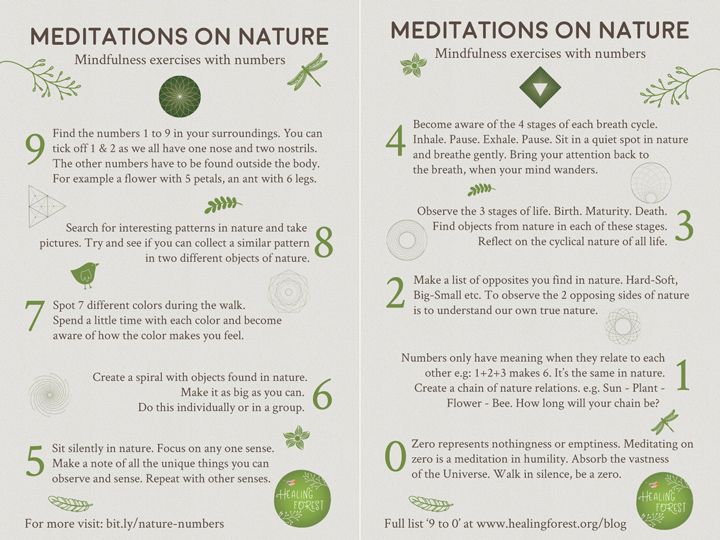
9 Numbers in Nature: We begin the walk with an exercise to start seeing numbers in nature. Participants have to find the numbers 1 to 9 in their surroundings. Everyone can quickly strike off 1 and 2 as we all have one nose and two ears. The other numbers have to be found outside of the human body. For example a flower with 5 petals, an ant with 6 legs. All participants are given a time limit of 10 minutes to find as many of the remaining numbers as possible. The exercise is to be done individually or in pairs. The group reassembles at the end of the time to work together as a team and find any missing number that no one could find.
8 Patterns in nature: Nature is full of patterns that have astounded mathematicians and poets alike for centuries. One such pattern is called the Fibonacci. The Fibonacci sequence starts like this: 0, 1, 1, 2, 3, 5, 8, 13, 21, 34, 55 and so on forever. Each number is the sum of the two numbers that come before it. It’s a simple pattern, but it appears to be a kind of built-in numbering system to the cosmos. The numbers in the pattern can be found in our own DNA as well the spirals of the Galaxy.
The numbers of the Fibonacci sequence are very commonly seen in petals of flowers . Examples include the lily, which has three petals, buttercups, which have five, the chicory’s 21, the daisy’s 34. These are all numbers from the Fibonacci sequence.
Nature Connection: The aim of our exercise is to find interesting patterns in nature and take pictures. Try and see if you can collect a similar pattern in two different objects of nature.
7 Colours: Every Colour that you see is a number. Light travels as a wave and each colour in the spectrum has a specific wavelength and frequency. Our visual sense is not only able to gauge and see different colours but also associates certain emotions with them subconsciously.
Nature Connection: The aim of our next exercise is to spot all the 7 rainbow colours during your nature walk. Each individual makes a list of at-least 7 different colours they can observe during the walk. The aim is also to spend a little time with each separate colour and become aware of how the colour makes us feel. At the end of the exercise people who are drawn to the same colour can group together to see whether they share other common personality traits.
6 Geometry: Have you ever marvelled at the beauty and shape of a spiral sea-shell? Geometry is all about shapes and their properties. Lines, curves and shapes that can be drawn on paper make up plane geometry, while 3 dimensional objects are part of solid geometry.
The spiral curve is one of the many examples in nature that give us a hint of the underlying simplicity which gives rise to the complexities in nature. The study of geometry allows us to become aware of the larger design of Nature. Here’s a short film on the curve called ‘life’. Watch it patiently to find a beautiful lesson for the ups and downs of life.
Nature Connection: Creating a spiral. This can be done individually or in a group. The intention is to create a beautiful spiral with objects found in nature. Make it as big as you can. Each person starts from the same center point and creates one arm of a spiral radiating outwards. After working on it for 10 minutes, the creator stands on the outer edge of their spiral arm and starts to walk back to the center slowly and mindfully following the path of their spiral. The last person to reach the center wins. (You cannot pause and have to continue walking inward as slow as you can).*Don’t forget to erase your spiral and disperse everything back in nature, before you leave.
To get uplifting new ideas from nature – once a month, join our free newsletter. Discover amazing activities and fascinating forests from around the world.
5 Senses are our window to the world. Every person perceives the world differently based on how each of their different senses have developed. Staying in the city does take a toll on our overall sense perceptions where some senses can be overloaded like our sight and some underdeveloped like our smell. Being in nature allows us to relax our senses and sharpen them so that our experience of the world can become richer.
Nature Connection: Walk or sit silently in the forest. Focus on any one sense at a time for a short period of 2-3 minutes. Make a note of all the unique things you can observe and sense. Repeat the exercise with another of your senses. Notice how each sense reveals something new about the nature around us. The aim of this exercise is to bring us into the present moment and stop our thoughts from leaping into the past or future.
4 Breath of 4: In this exercise we focus on our breath to bring our mind to the present moment and take the help of numbers to build mindfulness. We use counting to stay focused on the breath. This is a very good exercise for creating alertness and concentration.
The exercise is known as Box Breathing where we breathe in 4 stages. Inhale – Hold – Exhale – Hold, all with equal durations, from 2 to 5 seconds. For example, inhale for 3 seconds, hold your breath for 3 seconds, exhale for 3 seconds, hold your breath for 3 seconds. And repeat that. Do it any time you can for a few minutes
This meditation makes us realise that numbers live with us as part of our lives and we can always turn to them for focus, attention and peace of mind.
3 Triangles: One of the most interesting things about triangles is that if you sum up the three angles within any triangle, they will always total 180 degrees. The Triangle is a favorite among architects. As a geometrical object, the triangle is the strongest shape, capable of holding its shape, having a strong base, and providing immense support.
Nature Connection: Just like the 3 sides of a triangle, there are 3 stages that connect all life on our planet. An interesting exercise with number 3 is to observe the 3 different stages of life. Birth. Maturity. Death. Find and take pictures of objects in different stages. Reflect on how everything is changing from one stage to another.
BONUS
π Circles: Take a circle. Any circle in the world. Measure it’s circumference – all the way around the circle. Then measure its width, from one edge to the other edge. Now divide the two lengths. You will always get the same number. 3.14…
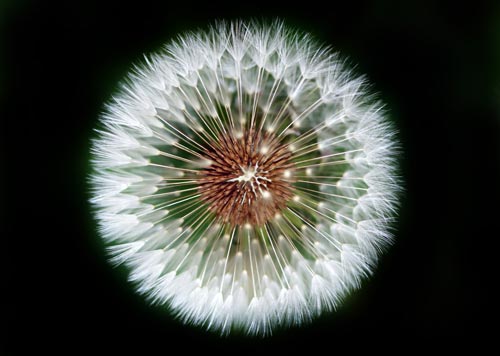
This number is called Pi and is often written using the greek symbol π. What’s strange about Pi is that the division is never complete. You can go on dividing without reaching an end. π has been calculated to over two quadrillion decimal places and still there is no pattern to the digits.
Nature Connection: Spot the circles. Count the maximum number of circular objects one can notice in your surrounding nature within a time frame of 2 minutes. If you can, try and measure the circumference and diameter of any circle and divide them to find your own Pi.
2 Opposites: Nature is made up of opposites. Day and night. Left and right. Sound and silence. Hot and cold. To observe the two opposing sides of nature is to understand our own true nature.
Nature Connection: For this exercise participants divide into 2 equal groups ‘Positives’ and ’Negatives’. Members of the 2 groups walk in separate directions and each individual (depending on their group) makes a list of 5 positives or 5 negatives they observe in nature. The groups reassemble after 5 minutes and make pairs between the positives and negatives group. Each pair then tries to see how many matching opposites do they have between their 2 lists. For e.g.: If one person wrote ‘light’ and the other person wrote ‘shadow’ then it is considered a successful match.
With this exercise we observe that perception of life – positive or negative is based on our mind. And the mind can be trained to choose. *Some wise people might raise a doubt and say that in nature there are no positives and negatives. Everything just is. They are right. Agree with them and tell them it’s just a game.
1 Oneness: Have you ever wondered why we only count in multiples of 10 ? A counting base of 10 is natural probably because we have 10 fingers. In ancient societies, a base 10 system wasn’t always used. The Sumerians used a base 60 system. This is why we count time in bases of 60 (60 minutes in an hour, 60 seconds in a minute). Machines are built using switches, so it is natural for them to count only off (0) and on (1).This system is called binary.
There can be many other number systems, but one thing connects them all. Numbers are concepts which only have meaning when they relate to each other. In a sense, it is this relationship that gives each number a specific meaning in the larger number system. For e.g 5 is related to 10,15,20,25 in a certain way. Here’s another chain of relationships: 1,2,6,24, 120….Can you figure out the next 2 numbers in this chain?
Nature Connection: Participants take some time out to observe the many relationships that exist in nature. Each person comes up with a chain of nature relations. For e.g. Sun – Plant – Flower – Bee. The aim is to see who can come up with the longest chain of relationships… and perhaps to realize that we are all part of multiple chain of relationships, which give our life true meaning.
0The number Zero is widely seen as one of the greatest innovations in human history. Zero is both a number and a concept meaning the absence of any quantity. With the help of Zero we can do complicated equations and perform calculus. It is also at the heart of the language of computers which speak in 0’s and 1’s.
In philosophical terms it represents nothingness or emptiness out of which all existence arises. We end our nature walk by taking a few minutes to walk in silence and reflect on the concept of zero.
Meditating on zero is a meditation in humility. It is to become aware that in the vastness of the Universe – both in space and time, our small individuality amounts to nothingness. And yet, just like the importance of zero, one can realize how significant even the most insignificant thing in the world can be.
MEDITATIONS ON NATURE | FREE DOWNLOAD
Download link of 2 posters for mindfulness meditations on nature by numbers.
Please share this beautiful activity of nature by numbers with friends who might find it interesting.
END NOTE: To get amazing new ideas each month, check out our Uplifting Newsletter. For more walks and many other activities, try our Nature Calm course.
Healing Forest is a volunteer driven project that aims to bring people and forests closer to each other through creativity and mindfulness. Our aim is simple. Helping people heal. Helping forests heal.


























 Healing Forest