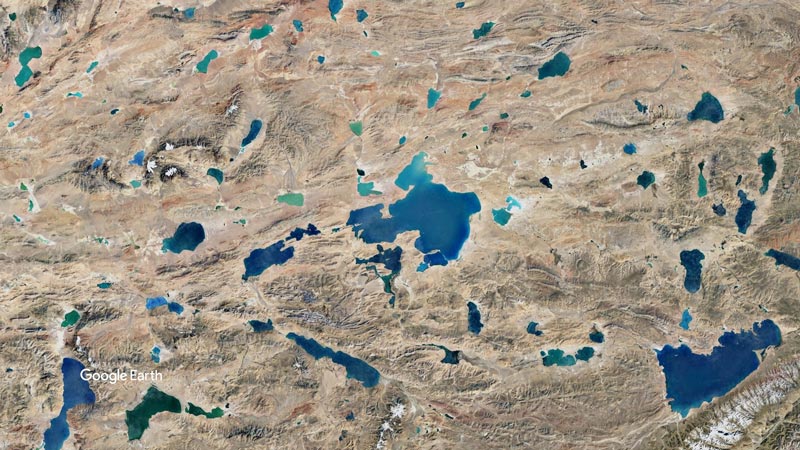
From a distance, everything looks beautiful. When we gaze upon
our tiny blue planet from the black void of space, we cannot make out the many conflicts that are raging all over the planet.

While the politics of greed, hatred and power plays out in different parts of the globe, the greatest threat is largely being ignored. A rapidly growing human population coupled with a lifestyle which is based on taking more from earth than giving back is threatening the safety of all our future generations.

The hope lies in creating a new vision for our world. A vision which becomes surprisingly clear when we travel into space and look back at Earth from a distance. Watch this 3 min film and see whether you agree.

CREDITS
Film and Words: Nitin Das | Music: Dario Forzato | Visuals: Made with Google Earth Studio

fern-web

WORDS

War is often a fight for peace
Anger, but a cry for love

Every mother knows

Countries are just concepts
Borders are but egos

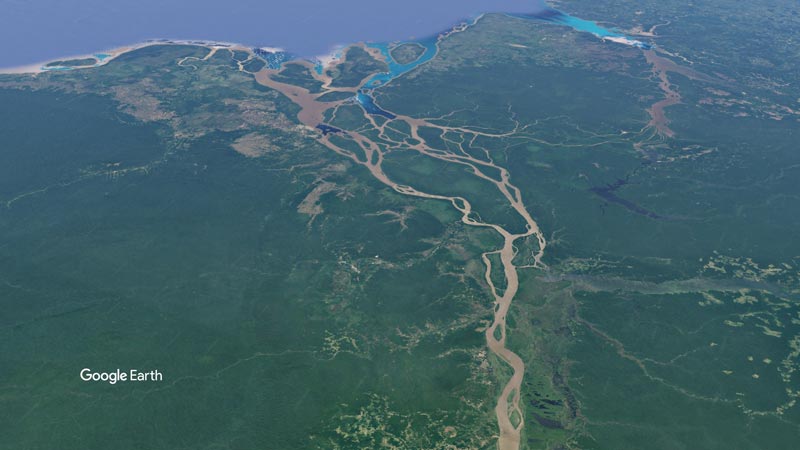
Every river knows

Brazil-amazon

Politics is but religion
Religion is but control

Every martyr knows

Victory is but fleeting
Loss, permanent

Every orphan knows

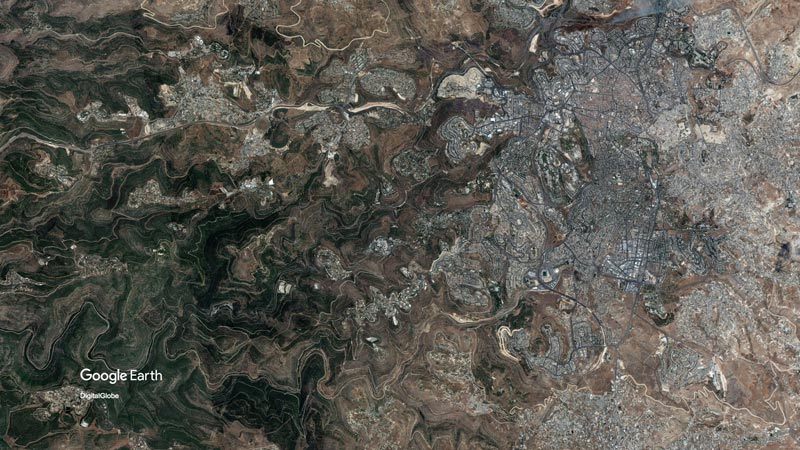
Jerusalem-1_242

Conflict is but business
Business but for greed

The planet knows

The world is but divided
Our future uncertain

Till everyone knows

Earth is but home
Healing it is but healing ourselves

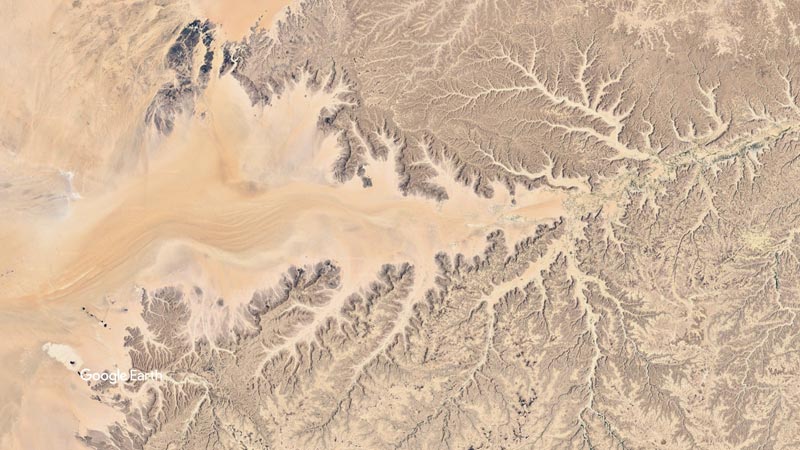
yemen_244

END NOTE
Climate change will affect more people than all the wars combined in human history. There is only one planet which supports our life and it belongs to all of us. The world may be in conflict, but together we can heal our Earth. (Here’s a link to 10 things we can all do, to act on climate change)

You can subscribe to our monthly blog posts at this link.  We are a small group of friends trying to find new ways to reconnect people with nature. Our aim is simple. Helping people heal. Helping forests heal.
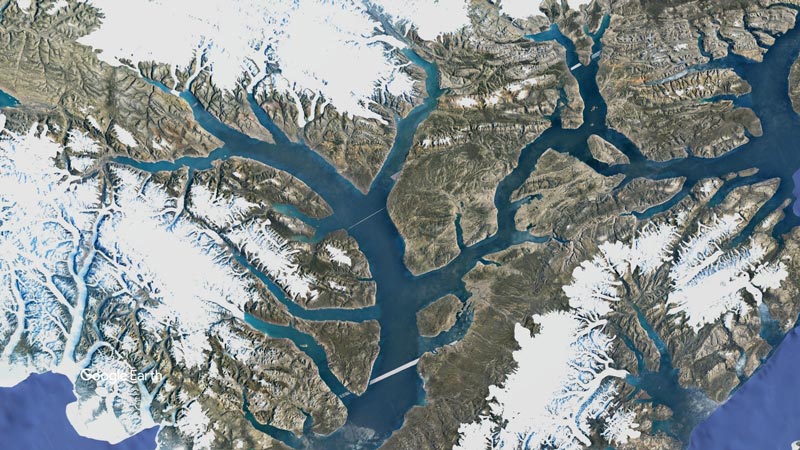
Arctic_004

Finland has been named as the happiest country in the world for the last 2 years in a row. Its citizens are relaxed and cheerful and lead generally stress free lives. They live in society with progressive thinking, technological advancement as well as cultural richness.

Over 70% of Finland is covered in forests, and the connection with nature is very important for the Finns. How does this affect their happiness quotient? And what are the different ways Finns use to engage with nature? Let us explore some interesting ideas and initiatives from Finland – the land of a thousand lakes, and see what we can learn to inspire change in our own lives.

FOREST SCHOOLS

The forest school movement is quite popular in Finland. Most of these are pre-schools that cater for 5-6-year-olds. In a forest school you can see the children spending up to 95% of the school day outdoors in the wilderness exploring, playing, and learning about the world around them.
Flower-6

Forest schools have less of an emphasis on tests and scores, yet still see much better results. They have been proven to improve skills in mathematics, reading, listening, critical thinking, and writing. It is an essential starting point that helps the students when they advance to the next stage of education.

There are may benefits that both parents and teachers see from forest schools. The children are more engaged in their learning. Children’s health and immunity gets a boost. And along with the overall performance, their social skills also improve.

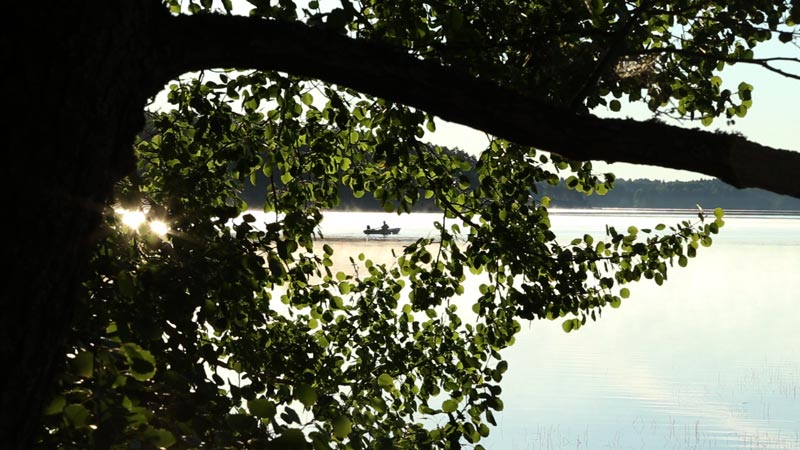
boat

FOREST LIFE

Did you know that there is a campaign called ‘Rent a Finn’? The project invites people from all over the world to be hosted by a ordinary Finnish citizens so that they can get a taste of an authentic Finnish nature experience.

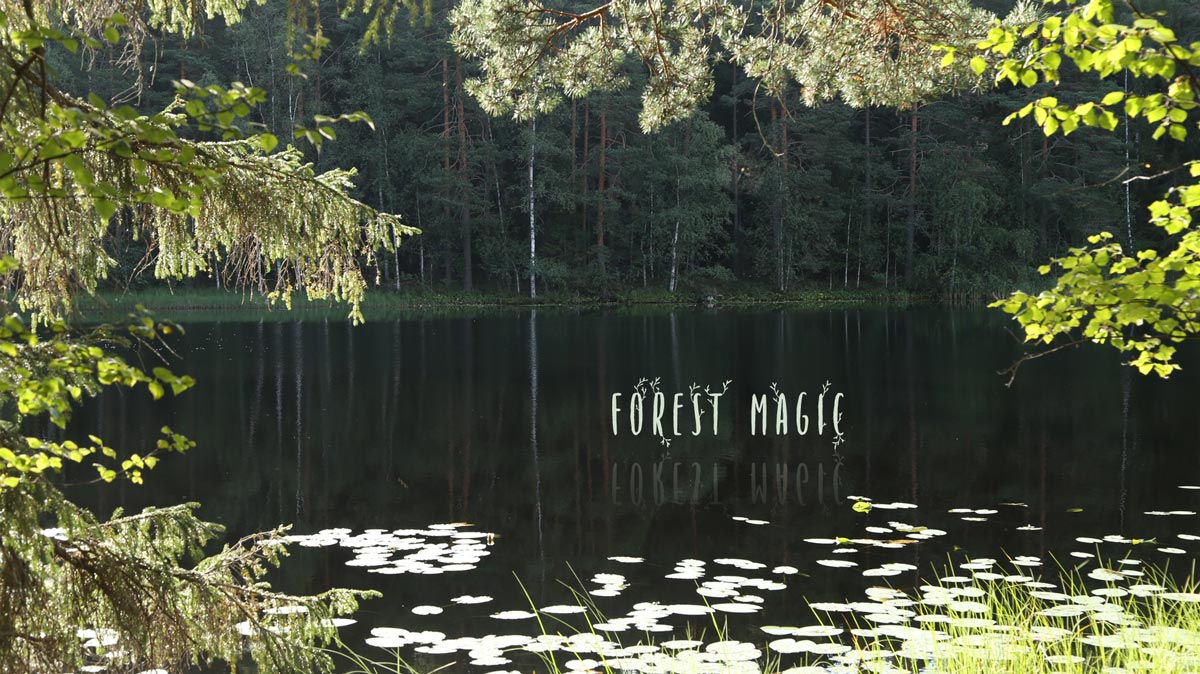
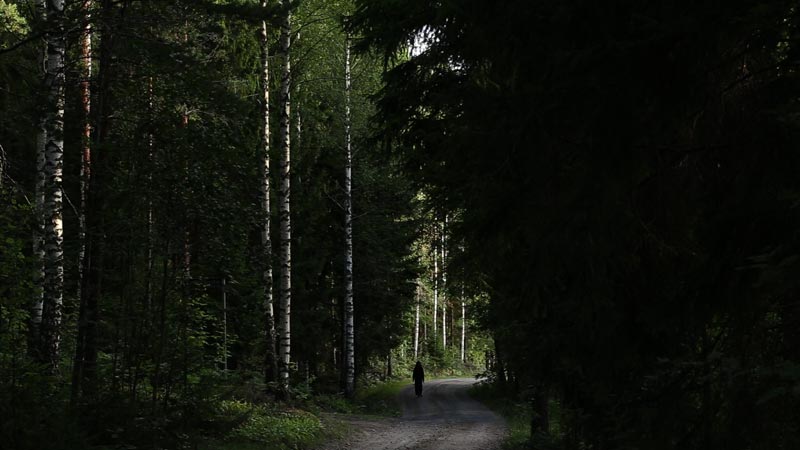
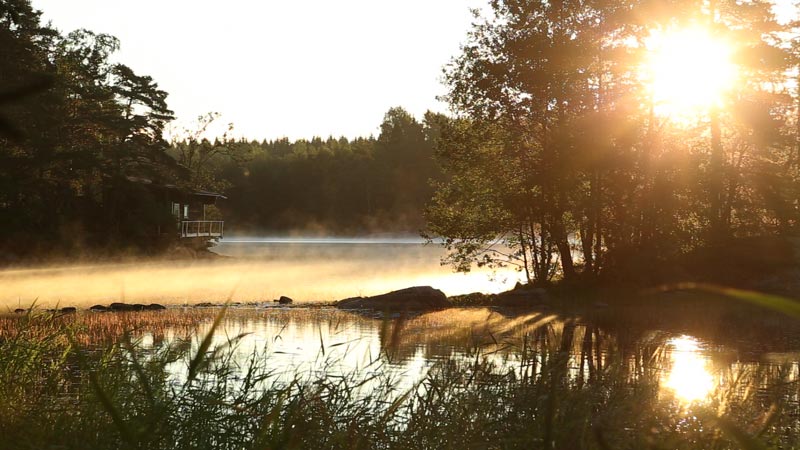
One of the most important birthplaces of the Finnish identity are the deep green forests, the rolling hills and the glittering lakes that cover most of Finland. There are a total of 188000 lakes in Finland and many families own summer cottages right next to a lake. Spending time out in nature is an integral part of their lifestyle. While active engagement can involve hiking, cycling, horse riding, orienteering and other sports there is also an equally strong movement around slowing down and spending time with oneself in the silence of the woods.
Flower-9

Finnish people have multiple ways to find their calm in nature. From visiting a national park to spending a weekend fishing at their summer cottage, berry picking in the wilderness, to enjoying a proper Finnish sauna. With such rich abundance of nature everywhere, there is no shortage of options. Many Finns attribute their easygoing stress free demeanour to their connection with nature and their instinct to go outside whenever anxiety rears its ugly head:

“When others go to therapy, Finns put on a pair of rubber boots and head to the woods.”

15

FOREST FOOD

While you are in the forest, you will find a plethora of edible treats and not surprisingly they are often completely free of charge. Everyman’s right in the country’s forests guarantees that you are allowed to pick almost anything your heart and mouth desires. The combination of everyman’s rights and naturally grown, nutritious food transforms activities such as hiking into delicious voyages of discovery.

berry

White summer nights ripen vegetables, fruits and berries making them uniquely tasty. Even though Finnish berries and fruits are smaller than average, they are packed with sweet flavours, healthy vitamins and flavonoids. Finns scour the vast forests for these delicious treasures, as well as the tasty mushrooms and fresh wild herbs.

3

SAUNA AND WHISKING

Sauna is a small room used as a hot-air or steam bath for cleaning and refreshing the body. The traditional saunas feature a fireplace where stones are heated to a high temperature. Water is thrown on the hot stones to produce steam and to give a sensation of increased heat. Majority of homes in Finland have a sauna, but the best experiences are to be had in country saunas which are next to lakes. When the temperature gets too hot to handle inside the sauna, one can move outside into the cool lake for a quick swim.
Flower-5

Maaria Alén is a natural wellness instructor and chairperson of Finnish folk healer’s society. She specialises in traditional sauna healing, especially whisking. The therapy uses branches and leaves of specific trees to whisk the entire body while you are enjoying a sauna. The whisking creates an overall conscious and therapeutical touch, which enables the healing from within to begin. It improves circulation, opens the energy flow as well as physically cleans and massages the body. The healing power of different tree species and the steam called löyly, gently relaxes and balances the mind, the body and the soul. Some of the other significant benefits of using a sauna are improved heart health, lower stress levels, easing of joint pains and muscle soreness, and relief from asthma.

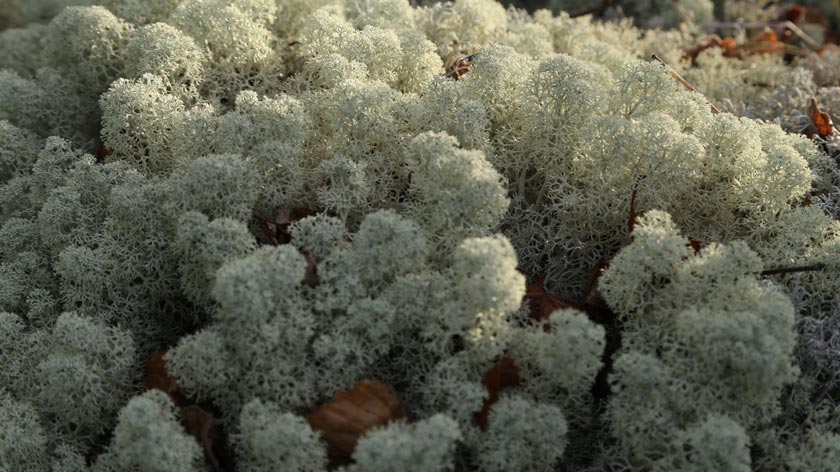
Lichen

FOREST THERAPY EVENTS

For people who are interested in learning more about the emerging field of forest therapy, there is an international event IFTD Days held in Finland every summer. It brings together individuals engaging in forest therapy in different types of forests around the world. The aim is to share ideas, experiences, practices and research, to advance our thinking and learn from each other. The gathering represents a variety of disciplines from science and practice.

IFTDays is a movement for sustainable health in which all partners come together to promote change in the way health is experienced in their own cultures. The event is focused around forest therapy for health promotion and disease prevention. The founders Riina and Heidi believe that by bringing people together they can build communities’ collective resiliency and hope for the future, supporting the well-being of individuals and fostering a sense of true belonging in nature.

You can read more about their mission or attend their event through this link: http://foresttherapydays.com/

Fern

Every country in the world has it’s own unique customs to connect with Nature. Let us know some special ways about your country in the comments section below. It will add to our collective learning.

You can subscribe to our monthly blog posts at this link.  We are a small group of friends trying to find new ways to reconnect people with nature. Our aim is simple. Helping people heal. Helping forests heal.
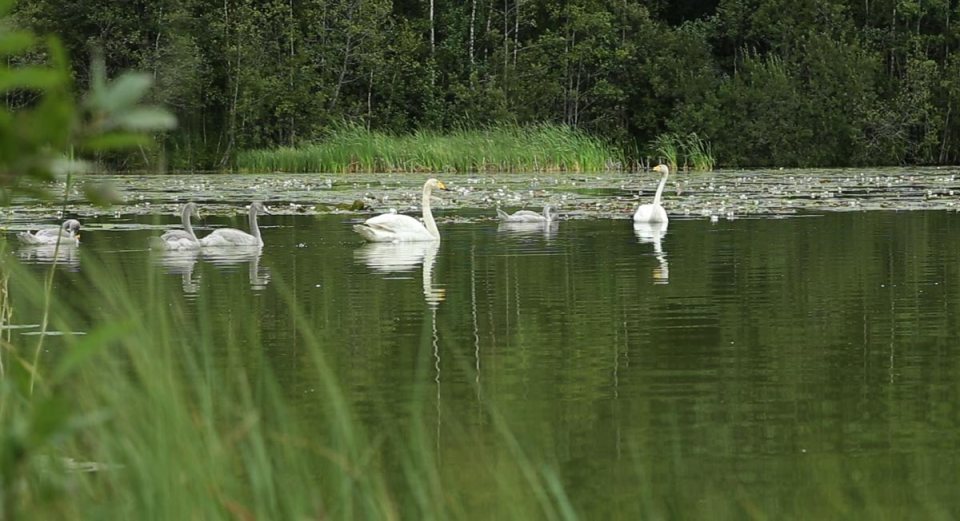
swans

The way we find solace, release the energy of excitement, slow down our anger is through a sense of connection and a relationship that is fostered, nurtured, embraced, and sought. A relationship with the land.

Excerpt from the book
Writing on the Landscape: Essays and Practices to Write, Roam, Renew
By Jennifer J. Wilhoit, Ph.D. LifeRich Publishing 2017 • © Copyright Jennifer J. Wilhoit, Ph.D. (Published with permission from the author)

leaf-1
When we want to write something, we need balance of self and other. We first look within ourselves to see what is there (the wisdom, the beauty, even the pain) and to discover what we need. We reach into the depths of our stories and knowing, and do the inner research to arrive at the page with all that we can possibly know in a moment. We look outside of ourselves to remember that we are cared for, that something bigger than us exists to help meet our needs. We can also turn outside of ourselves—to the safety of nature—to find energy and insight when we can’t find it easily within. We gather from our journeys into natural places the ability to see expansively. We also simply remember how our very breath is dependent upon the natural world; this roots us in collective knowing and creative inspiration that far surpass our individual knowledge. We then turn to our writing—with the resources we’ve gathered from inside and outside of us—equipped with the tools we need to endure.

When we let writing carry us away and when we immerse ourselves in the miracle of a single moment in the natural world (wilderness or not), we tap into something that transcends the material, the tangible, the trite. We find a depth to ourselves and to our writing that occupies the one distinct internal landscape: our inner wilderness. Allowing ourselves to become unfettered (e.g. by time, goods, responsibilities) and accountable only to that which resides in the depths of spontaneity and grace is where we find our writing souls.

leaf_16
Life happens and sometimes it is sad and lonely, or fear inciting, or very exhilarating. Writing can also evoke emotions. Even the really exciting, happy, blissful emotions can hamper our writing. We have the ample, supportive mother of Earth to quietly receive whatever it is we need to let go. Some of us are not going to initially feel comfortable going out into the natural world for a calming experience. Many have lost the tender connection that affords a facile embrace of the beauty and support that the living nonhuman world has to offer. The way we find solace, release the energy of excitement, slow down our anger is through a sense of connection and a relationship that is fostered, nurtured, embraced, and sought. A relationship with the land.

waterfall-1

Some of my favorite places are forests, as well as individual trees. Rainforests. The Joshua trees of the Mojave Desert. Ancient bristlecone pines. The ponderosa pines whose fragrant sap is still a touchstone back to my childhood summer days, the respite I’d find in their shade, lying on the thick needle beds at the base of their trunks on glaringly hot days. The maples and oaks in my relatives’ humid, east coast yard. My grandpa’s instructions about how to identify each tree’s leaf shape. The alders that fall each year in the Pacific Northwest, shallow root bases that loosen their hold in windy winters. The red, soft, intriguing bottlebrush blossoms; the “poky ball” seeds of the liquidambar; or the slender, lavender, “milk”-releasing jacaranda flowers that my little girl self created stories about during long hours alone with these trees in my backyard. Too, the sycamore in the front yard of my childhood home whose roots cracked and displaced the cement walkway that needed to be smooth in order for my brother’s wheelchair to safely pass; it was my sentinel outside my bedroom window until we had to have it cut down—an act which caused my strong mother to cry the only time that I can remember during my entire growing up years. The hardwood forests of New England, shockingly short in stature by my west coast standards, shockingly brilliant during my first east coast autumn.

leaF_25
I am walking in a forest healing from the ravages of a wildfire. On this day it mirrors a particularly burned out place in the landscape of my soul. Writing onto the page is an act of sheer compulsion and all begotten willpower unless I am rooted in the part of myself that remembers beauty in death, destruction and loss in transformation, fear in the calm of day. My body moves up the path, once a road, deeper toward the rock sharp mountains in the west. I see snow and a glacier up on the topmost peak, but down here the thick air is stagnant and breathes hot gasps onto my cheeks which now burn with shame. Slowly is my sole mantra, toward the burn site which holds within it the promise and hope amidst gray silty powder. As I move deeper into the site, my uncovered legs begin to darken with the ash. I can reverse-tattoo myself by putting a spit-wet fingertip onto my ashy skin; yet there is something deeply sacred, too, in just allowing my legs to become baptized in the residue of wildfire. I hear a spring but can only see a small seep running along the edge of the baby new grass that has to be this year’s birth. The fire was last year.

As I move closer to the center of the small once-grove that not so long ago offered shade in the middle of this near-Death-Valley wild place, I feel my heart rate increasing, my heartbeat’s powerful tenacity. It takes courage to see what lies in the middle of the burned-out places of our inner wilderness. There are tiny drops of moisture forming in my eyebrows, along my upper lip, on the back of my bare-naked neck; it feels as much like nerves as my body’s cooling response to the increasing noon heat. Each step is a labor and journey. Each few inches I mark as shoe prints on this dusty trail are leaves in a memory book of my history. When I finally reach the center, where I can see the charcoal black remains of what once lived, I feel a sudden ease wash over me. I realize that everything that lives, dies. I see that even after death, there is rebirth. And whatever I was worried about before I set out on this small walk is but a distant memory.
I sit down atop the gray ash and pull out my journal. I write.

leaF_36

Jennifer J. Wilhoit, PhD is a published author, spiritual ecologist, editor, writing mentor, hospice/bereavement volunteer, life and nature guide, consultant, and peacemaker; she founded TEALarbor stories through which she compassionately supports people’s deep storying processes. Her books, articles, and blogs focus on the human/nature relationship – what she calls “the inner/outer landscape.” Jennifer also offers presentations, workshops, and retreats. When she is not writing or working, she spends time hiking and making beauty in natural landscapes, reading, traveling (internationally, as often as possible), and dabbling in creative arts. Jennifer’s soul thrives in the beautiful Pacific Northwest landscape where she lives. www.tealarborstories.com

forest_2

You can subscribe to our monthly blog posts at this link.  We are a small group of friends trying to find new ways to reconnect people with nature. Our aim is simple. Helping people heal. Helping forests heal.

writers-games