

In the dance of our day-to-day existence, conflicts are often unavoidable. Whether it’s a difference of opinion, a clash of priorities, or a collision of expectations, conflicts are a part of our relationships. Yet, it’s not the presence of conflict that defines our path but how we face them. In this article we will find some useful tips from nature that show us multiple ways to handle conflict and anger.
Much like nature’s inhabitants, we too possess primal responses to conflict – the instinct to fight, flee, or freeze. However, there’s a more evolved way to address these challenges. Join us as we embark on a journey through the wisdom of nature, discovering lessons that unveil the art of handling conflict and how it can transform our lives
The 4 damaging ways to deal with conflict are:
criticism, contempt, defensiveness, and stonewalling.
* Article reference notes from: Greatergood.berkley.edu | Book by Julie and John Gottman

The Primal Response: Fight, Flight, Freeze
When confronted with conflict, our primal instincts kick in – fight, flight, or freeze. Picture a confrontation between two rival animals in the wild, each vying for territory or resources. The showdown may involve aggressive postures, loud vocalizations, and, occasionally, physical combat. This raw display of the fight response is mirrored in our human interactions, often resulting in heated arguments or confrontations.
On the flip side, the flight response is seen when a creature chooses to avoid conflict altogether, seeking safety in the anonymity of the wilderness. Humans too have perfected the art of avoidance, often sidestepping conflicts rather than addressing them head-on. However, as we delve deeper into the natural world, a third response emerges – the freeze. Imagine a prey animal playing dead in the face of a predator. Similarly, humans may find themselves paralyzed by conflict, unable to take action.
So how can we transform our conflicts into a source for deeper connections as well as means to expand our heart? How do we learn the tools that help us strengthen our relationships and create harmony in our life? Here are some interesting ideas and practices from nature.

1. Deep Calm: Letting Go of Anger
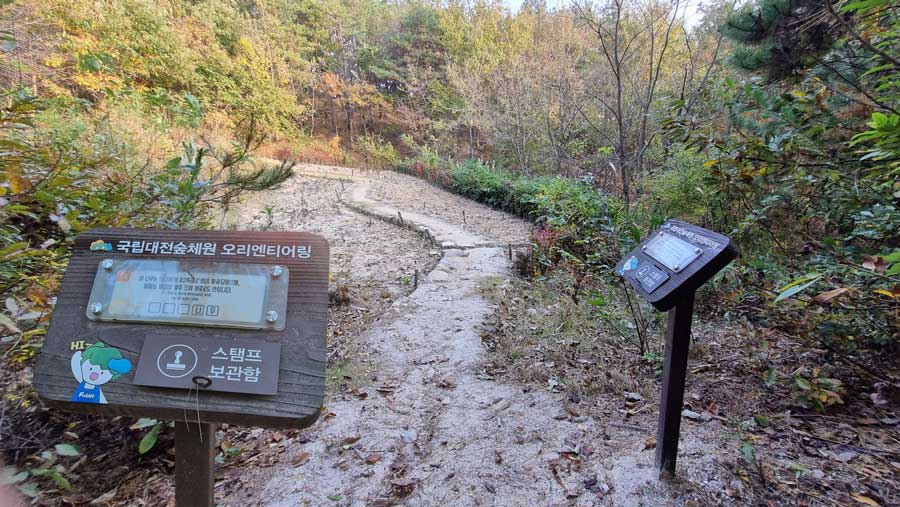
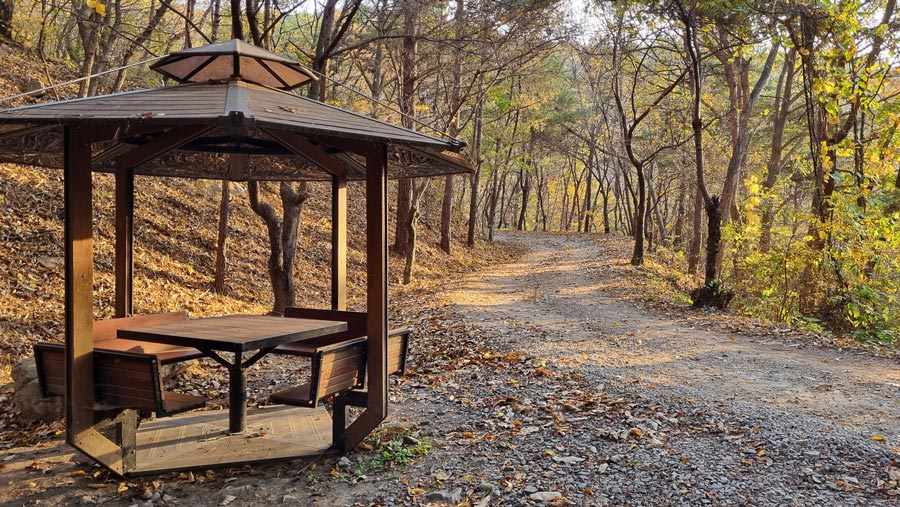
On a walking trail, park or open space, walk at a pace that feels comfortable to you for about 20 minutes. No matter how you walk, focus your attention on nature and your breathing. You may like to alternate between slow, brisk, and fast walking. Slow walking fosters a heightened state of awareness, calm and connection with the natural world. In large open spaces, such as a park, try slow walking in circles, expanding and contracting the size of your circles. Faster walking relieves stress and energises the body. No matter how you walk, do pause along the way to notice the small wonders of nature.
An interesting addition to your walk is to create a feeling of calm. By focusing your attention on things that fill you with peace, you can shift your mind from any negativity or angry thoughts. Here’s a simple list to help you fill your heart with deep calm.
- Find something that makes you happy.
- Something to give someone else to make them smile.
- Find one thing that you love to smell.
- Find something that’s your favorite color.
- Find something you are thankful for in nature.
If you are doing the walk with close friends or family members, take time after each prompt to share your findings. It’s a fun way to learn about each other and look at life from another’s point of view.

2. Deep Listening: Song of the Forest
Nature whispers its secrets to those who listen with intent. Deep listening is a skill ingrained in the very fabric of the natural world. To know a forest, is to know its song. Take the rustle of leaves in a gentle breeze or the rhythmic crooning of a stream as examples. In conflicts, too, deep listening plays a pivotal role. Rather than reacting impulsively, pausing to listen allows us to understand the nuances of the situation. Can we evolve our listening skills, so that we listen to understand the other and not to win the argument? Here’s a simple activity to enhance your listening ability.
In great relationships, people have the model that “when my partner is upset, the world stops and I listen.”
~Julie Gottman, Clinical Psychologist

Nature’s Listening Circle Meditation
Begin by finding a quiet and natural setting for your walk. It could be a park, a forest trail, or any place where the sounds of nature surround you.
- Grounding: Stand still for a moment and take a few deep breaths. Feel the connection between your feet and the Earth. Allow yourself to be present in the moment.
- Close Proximity: Start your walk by focusing on the sounds closest to you. Listen to the rustle of leaves under your feet, the chirping of insects, or the gentle breeze brushing against nearby branches. Take a few moments to truly absorb these subtle sounds.
- Intermediate Sounds: As you continue your walk, broaden your listening circle to include sounds that are a bit further away. Perhaps the distant call of a bird or the soft gurgle of a stream. Pay attention to the diversity of sounds that nature provides.
- Expanding Horizon: Gradually expand your awareness to encompass sounds in the broader landscape. Notice the symphony of the wind, the distant chatter of animals, or the rhythmic flow of water. Allow your listening circle to expand with each step you take.
- 360-Degree Awareness: Now, stand still and close your eyes. Imagine your listening circle expanding in all directions, creating a 360-degree awareness of the sounds around you. Feel the depth and richness of nature’s auditory tapestry.
- Selective Listening: Focus on a specific sound. It could be the song of a particular bird, the rustle of leaves, or the flow of water. Listen to it with deep attention, appreciating its unique qualities.
- Return to Center: Slowly bring your focus back to the sounds closest to you. Gradually narrow your listening circle until you are attuned to the immediate surroundings once again.
- Closing Reflection: Take a moment to reflect on how your perception of sounds has evolved during this nature walk. Consider how expanding your listening awareness can deepen your connection with the environment.
As you conclude this mindfulness meditation, carry the heightened listening awareness into your daily life. The ability to listen deeply not only enriches your experience of nature but also enhances your communication in various aspects of your life.

3. Compassion: The River of Understanding
Conflict often arises from the feeling of navigating life’s challenges alone, without a person you can turn to or anyone to rely on. This inherent loneliness becomes a breeding ground for disputes. It becomes important to address these underlying issues first.
The journey toward erasing conflict begins not with tactics but with restoring connections and trust. By growing an environment where individuals feel heard, supported, and connected, we pave the way for a more compassionate approach to conflict. Compassion, in this context, bridges the gaps created by mistrust and isolation. It begins with understanding the struggles of those around us and extends to offering support without judgment.
In a heated argument or intense conflict the greatest act of compassion is simply taking a restorative break. Finding an activity or space that allows you to recharge and think clearly, is compassion for the self and the other.
If you’re feeling overwhelmed, say something like, “I need a little break,” or “I think we both need a breather.” Avoid pointing fingers with a direct “You need a break.” It is really important to let your partner know when you’ll be back—whether it’s in 20 minutes or up to 24 hours. This way, they understand it’s not about rejection; you just need some time. It keeps the communication open and friendly.

Nature Journaling Meditation on Compassion:
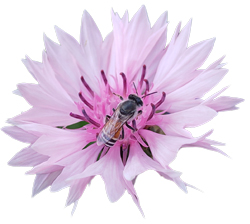
Embark on a nature walk with a journal in hand, observing the world around you through the lens of compassion. As you wander, jot down instances of support and cooperation in nature. Witness the dance between plants and pollinators, or the way trees provide shelter to various creatures. Note the intricate connections that make life possible.
Pause and reflect on these observations, drawing parallels to human interactions. Consider the lessons nature offers on collaboration and mutual support. Just as a tree offers shade to both friend and stranger, reflect on how compassion can create a nurturing environment for growth.
By documenting these examples in your nature journal, you not only appreciate the beauty of the natural world but also gain insights into fostering compassion in your own relationships.

4. Gratitude: Nourishing the Roots
In the heart of the forest, every being plays a role, contributing to the delicate balance of ecosystems. Similarly, in the human landscape, conflicts often arise from a clash of values or priorities. Gratitude becomes the fertile soil in which the seeds of resolution can take root.
Acknowledging the strengths and contributions of others in the midst of conflict cultivates an environment where resolutions can bloom. Expressing gratitude opens a channel of understanding, bridging gaps that seemed insurmountable.
Always operate from what’s right in a relationship, instead of what is wrong. And express your gratitude.

Four Circles of Gratitude Meditation
Find a tranquil space to begin this transformative meditation.
- Gratitude for Self: Start by acknowledging and appreciating yourself. Reflect on your strengths, achievements, and the resilience that resides within. Breathe in gratitude for the unique individual that you are.
- Gratitude for Close Relationships: Extend your gratitude to those closest to you – friends, family, or mentors. Envision the warmth of their support, the shared laughter, and the comfort of their presence. Feel the gratitude radiate as you acknowledge the enriching tapestry of your close relationships.
- Gratitude for Distant Connections: Expand your awareness to include gratitude for those who may be physically distant but remain connected to your life. Consider colleagues, acquaintances, or even the unseen threads that tie you to a broader community.
- Gratitude for All Beings and Nature: Broaden your gratitude to encompass all living beings and the natural world. Feel gratitude for the intricate ecosystems, the beauty of the Earth, and the shared existence that binds every being.
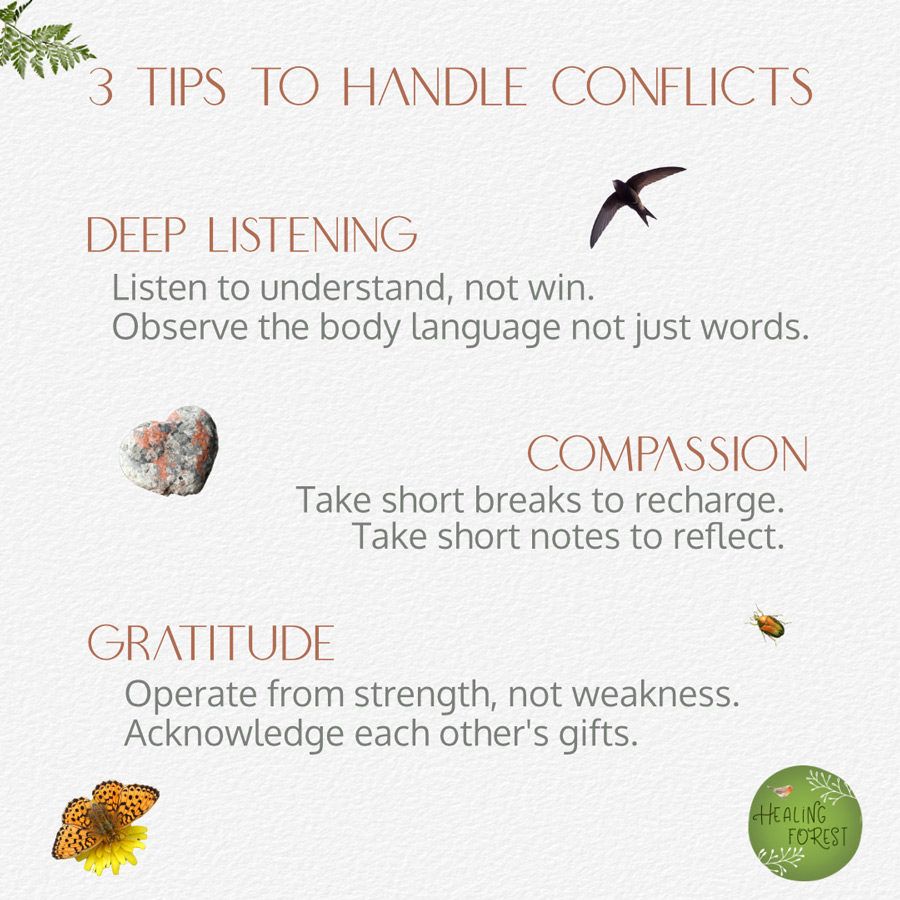
Conflict and Its True Purpose

In life, happiness relies on strong bonds, and conflicts are part of any close relationship. Being able to express concerns freely and openly is building commitment for the relationship, highlighting the irreplaceable value of our partners.
Healthy bonds thrive when we learn to address and resolve our issues wisely. It’s not about avoiding conflicts but confronting them with compassion, building resilience in the process.
Through listening, gratitude, and kindness, we uncover nature’s lessons for harmonious coexistence. Conflict resolution is a journey, exploring the wilderness within and the wisdom nature offers for richer, more meaningful connections. Remember, navigating differences is part of the adventure, and the key is to embrace it with understanding and care so that we grow together.

Every month we share uplifting new ideas from nature. To see older posts and get the latest one, please join our free monthly newsletter.
Also, try our collection of best nature activities from around the world, to experience myriad benefits for health and happiness. >> Nature Calm
REQUEST: Can you please share this post, so it reaches where it’s needed.




















 Healing Forest