If you could change one thing to transform your life what would it be? What if it was your own mind? Learning to train your mind starts with learning to regulate your emotions. It’s because they affect your thoughts, your choices and also the people you attract into your lives.

Our emotions design our experience of life.

Managing our emotions and moods is one of the most difficult but essential skills in life. Those who can achieve it know the secret of leading richer lives with greater success, harmony and more fulfilling relationships.

*During the pandemic, a lot of people are going through a sea of emotions. In these testing times, maintaining our mental balance is as important as protecting our physical health. Through this article we share some helpful tips. If you find them useful, please share them forward. And feel free to add your thoughts and ideas in the comments to grow our collective knowledge.

Just like the virus, our moods are also contagious. Let’s learn spread some calm and hope.

WHAT IS EMOTIONAL REGULATION?

Emotional regulation is the ability to handle both the highs and lows of emotions. Generally speaking, the extremes of any emotion can have an adverse effect on us. Therefore, we need to become aware of our emotional environment. And because our emotions are constantly changing, we can learn to transform them, change their intensity and also choose how we react to them.

Going through the circus of life we often encounter situations and people that completely throw our mood off. Anger, sadness, anxiety and other bad moods are like uninvited guests. By taking up our head space, they take away our freedom and pull us down. Understanding how emotions work can show us how to train the mind and transform those bad moods even if you can’t avoid them.

The emotional center of our brain – the limbic system, is an open loop system. An open-loop system depends on external sources to manage itself. In simpler terms, we rely a lot on our environment and connections with other people to determine our moods. We have evolved in this way because it increases our chances of survival. It helps humans form relationships, protect and care for their loved ones and also find environments that were safe to live in and thrive in.

Even though the open loop is so much a part of our lives, we usually don’t notice the process. So how can we use this to our advantage? The link between our inner nature and outer nature gives us a wonderful tool to shape our emotions.

The format that we cover in this post is based on the Japanese concept of Shinrin-yoku or Forest Bathing. It is a well researched and highly effective practice and has a host of other benefits besides helping you regulate your emotions.
* Forest Bathing Introduction | Forest Therapy in Japan

HOW TO CONTROL YOUR EMOTIONS?

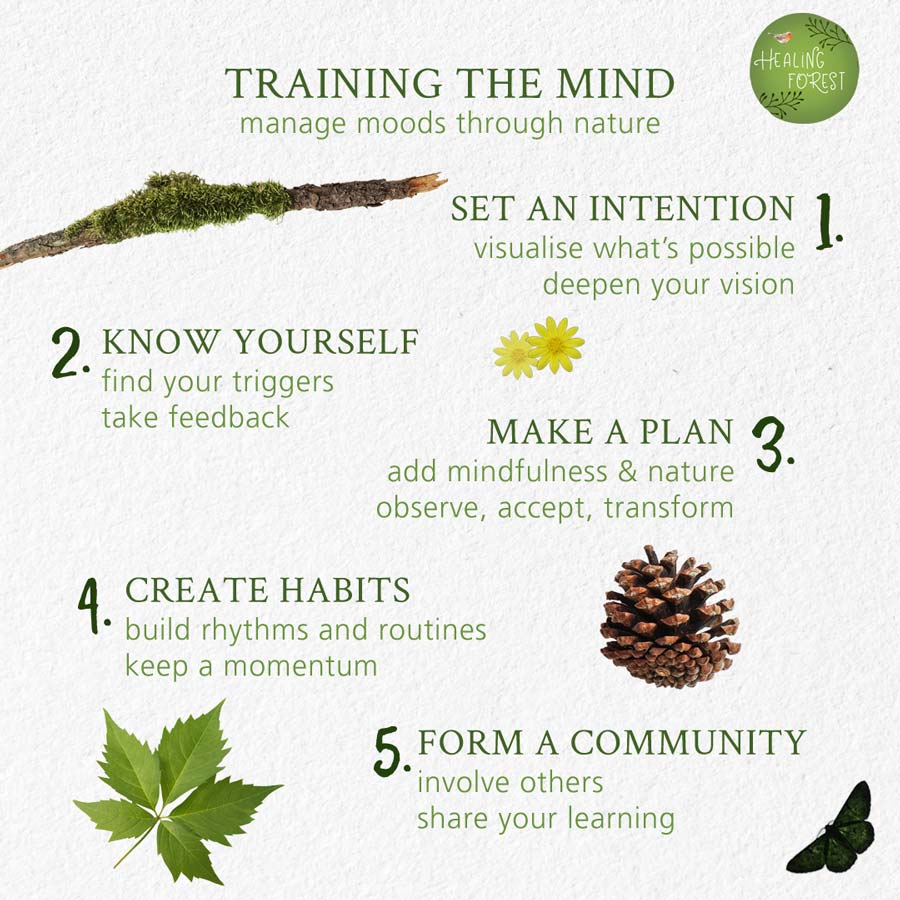
There are many ways to train the mind to control your emotions, but with nature it’s easier. It’s because, our mind has evolved in nature. In this post we will cover 5 stages of learning to control your emotions. The stages help you progress steadily and create a longer lasting effect.

Emotional skills are part of our genetic code, and each one of us has a certain mood that we are more prone to. However, experience also plays a big role in how our personality develops. The more we act a certain way—be it happy, depressed, or cranky—the more the behaviour becomes ingrained in our brain circuitry, and the more we will continue to feel and act that way.

1. The Forest – Knowing what’s possible

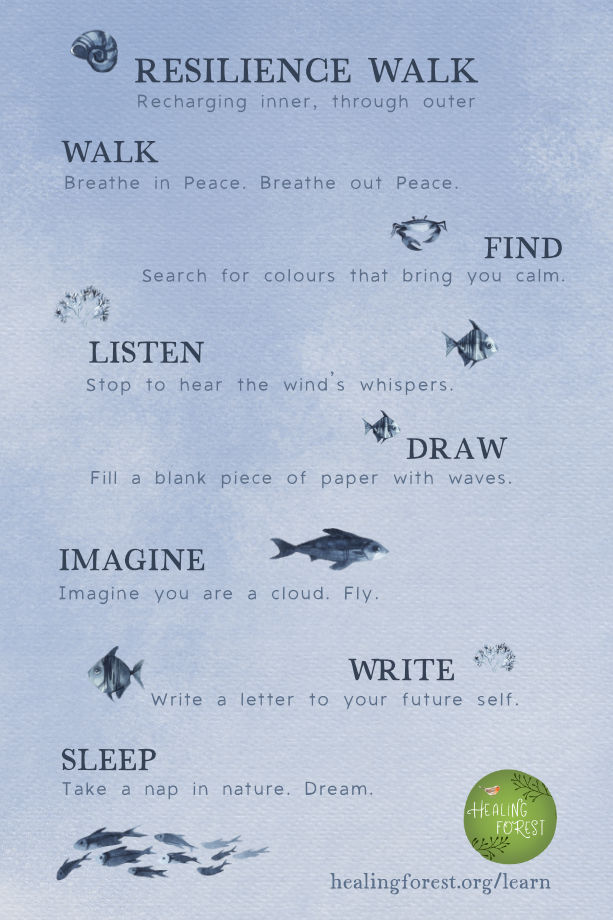
Go for a nature walk. Focus on your strongest sense and find something in nature that brings you deep calm. Stay with that emotion as long as you can. Later when you are at home, sit in a quiet space and try to recreate the same emotion by visualising your moment in nature. Practicing this exercise helps us recreate emotions we can fall back on when the need arises.

The basic practice of learning to regulate our emotions begins with observing, accepting and transforming. Many behaviour change programs include Mindfulness as part of the process. By adding nature to mindfulness we can make it far more engaging and effective.

Emotions are absorbed in the body in about six seconds. Each burst of emotion chemicals, from the time it’s produced in the hypothalamus to the time it’s completely broken down and absorbed, lasts about six seconds. If we’re feeling something for longer than six seconds, we are – at some level – choosing to recreate and refuel those feelings. Recognizing what emotion we are feeling, evaluating its purpose, and deciding whether to recreate it, is what emotional intelligence is all about. (source)

2. The Storms – Knowing yourself

Knowing what triggers you will help you in being better prepared. Make a list of people, situations and environments that affect you negatively. Also knowing how you affect others will show you areas that need improvement. Talk to family, friends and colleagues. Take feedback.

Our moods are like the weather – they can create a climate of trust, creativity and growth, or they can spread dark clouds of stress, fear and anxiety. Practice becoming aware of the links between what’s happening around you and what’s happening inside you.

A good mood leads to a good day.

According to scientists, there are 8 primary emotions: joy, sadness, fear, surprise, anger, disgust, acceptance, anticipation. Other important emotions, like ‘love’ are a complex combination of some of these primary emotions. These permutation and combinations give our mind its emotional richness. In nature we work with the emotions of awe and wonder to create joy, serenity, love and even compassion.

3. The Path – Creating an action plan

The effects of nature work in a dose curve. The more time you spend in nature, the better it is for you. Depending on your need and situation, you can design an action plan for lifting your mood when you are down.

Identify special places in nature you have access to. Find landscapes, elements, and activities in nature that you enjoy. It could be sitting next to a stream, lying on the grass, reading under a tree or walking barefoot. Know what works for you and build a plan for training your mind. The deeper your nature experience is, the stronger its effect.

When you are in nature, focus on all your senses. Soak in the sights, sounds and smells. Taste the freshness and feel the textures. Our senses work at a subconscious level. They also help in bringing your awareness to the present moment. Negative thoughts are easier to quell when we bring our attention to a pleasing sensation.

When you are in nature shift from thinking to sensing, and from sensing to simply being.

*For some beautiful ideas, try our Nature Calm course, with a collection of over 100 creative and mindful activities to find your calm.

4. The Cycles – Keeping momentum

Nature works in rhythm… birdsong in the morning, phases of the moon, and cycle of seasons. Interestingly, so does our mind. Create a habit of adding nature into your life. Whether it is the daily ritual spent with your plants and pets, a weekly nature walk, an annual vacation in the forest. Build a rhythm into your life. It keeps you in a good mood and maintains your momentum.

Even if you can’t access nature, simple acts of watching clouds fly by, listening to bird song, feeling the breeze on your skin and many other small ideas can keep you connected to nature.

Creating a momentum helps you break deep rooted emotional patterns which may be difficult to get rid of.

5. The Friends – Creating a community

Our moods affect our relationships deeply. Therefore, community is the most important aspect of your mind training. Remember, our moods are linked to the moods of people in our lives.

Go for a silent nature walk with those you wish to build a deeper connect with. Let nature do all the talking. Close bonds can form between people who allow each other their own space and yet share a beautiful experience together.

Everyone knows the importance of emotional intelligence in life. Most successful people, teams and families have a high level of emotional intelligence. What people don’t realise is that the foundation of this intelligence comes from the ability to regulate emotions. Emotions in ourselves as well as others.

THE EMOTIONS

Our emotions are deeply linked to hormone levels, cardiovascular functions, sleep rhythms, and even immune functions in the body. And strong emotions can even alter these in the body of another. It’s a phenomenon called mood contagion.

Research in intensive care units has shown, for example, that the comforting presence of another person not only lowers the patient’s blood pressure but also slows the secretion of fatty acids that block arteries. Another study found that three or more incidents of intense stress within a year (for example, serious financial trouble, being fired, or a divorce) triples the death rate in socially isolated middle-aged men, but it has no impact on the death rate of men with many close relationships. (Source)

So you see, our emotional health is linked to our mental health, physical health as well as social health.

Changing your mood changes your experience of life.

Creating a deep connection with nature is like growing roots that will keep us stable and anchored in stormy situations. And during calmer times, they will nourish the very essence of our being, helping us enrich other people’s lives with our presence.

May the forest calm always be with you.

We live in a complex world, facing challenges big and small each day. The twists and turns of life affect us in many ways. Therefore, learning to take control of our own wellbeing is an important skill. Discover how to find peace, purpose and good health with the help of nature. We share the best ideas and practices from around the world. Please subscribe to our blog for a monthly newsletter with new ideas.

Do share this post with people who might find it helpful.

Our Earth is full of wonders that fill us with awe, inspiration and humility. From far above in space where all illusions of boundary blur, one can truly admire the beauty of this planet that we call home. In this post we cover 10 fascinating features of our planet seen from high up in space. These images are made possible by Google Earth’s new studio programme which allows you to experience any corner of the world from the comfort of your home.

We may be in lockdown, but that should not stop us from exploring. Happy Earth Day 2020!

WORLD’S OLDEST DESERT

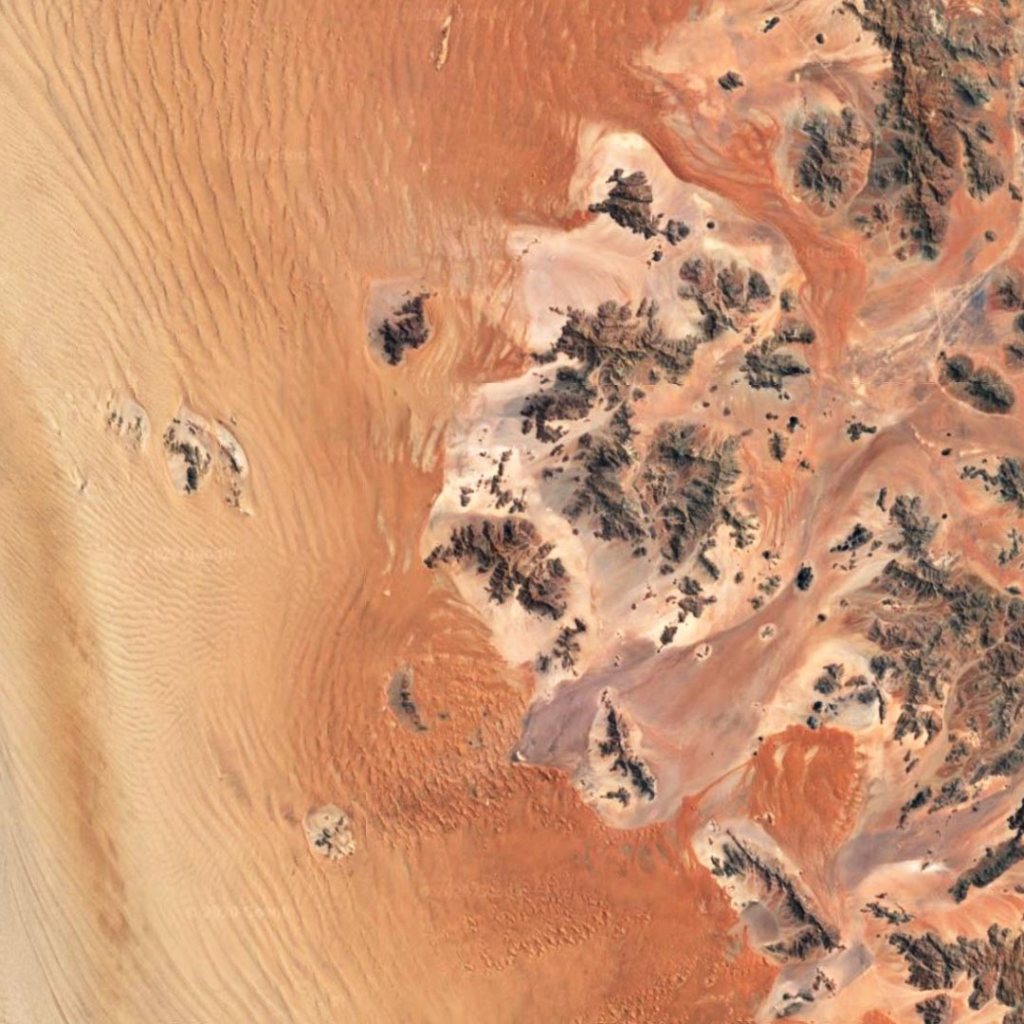
NAMIB DESERT
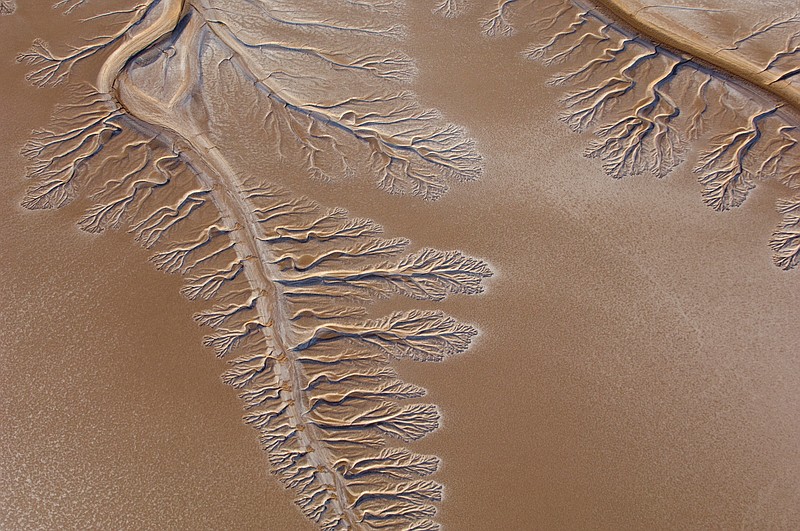
The Namib, at 55 million years old, is the world’s most ancient desert, as well as being one of the driest. Rainfall varies from 85mm in the west to just 2mm in the east – but the area is often covered by a thick fog, which allows plants and animals to survive thanks to the dew it creates. Another source of water are the rivers. Although the beds seem to be almost always parched, there is permanent water flow underground which creates linear “oases” on the surface.

“Namib” is the Nama word for “vast” – and this desert, stretching for 1,600km along Namibia’s coast, is certainly the embodiment of vastness.

WORLD’S LARGEST RAINFOREST

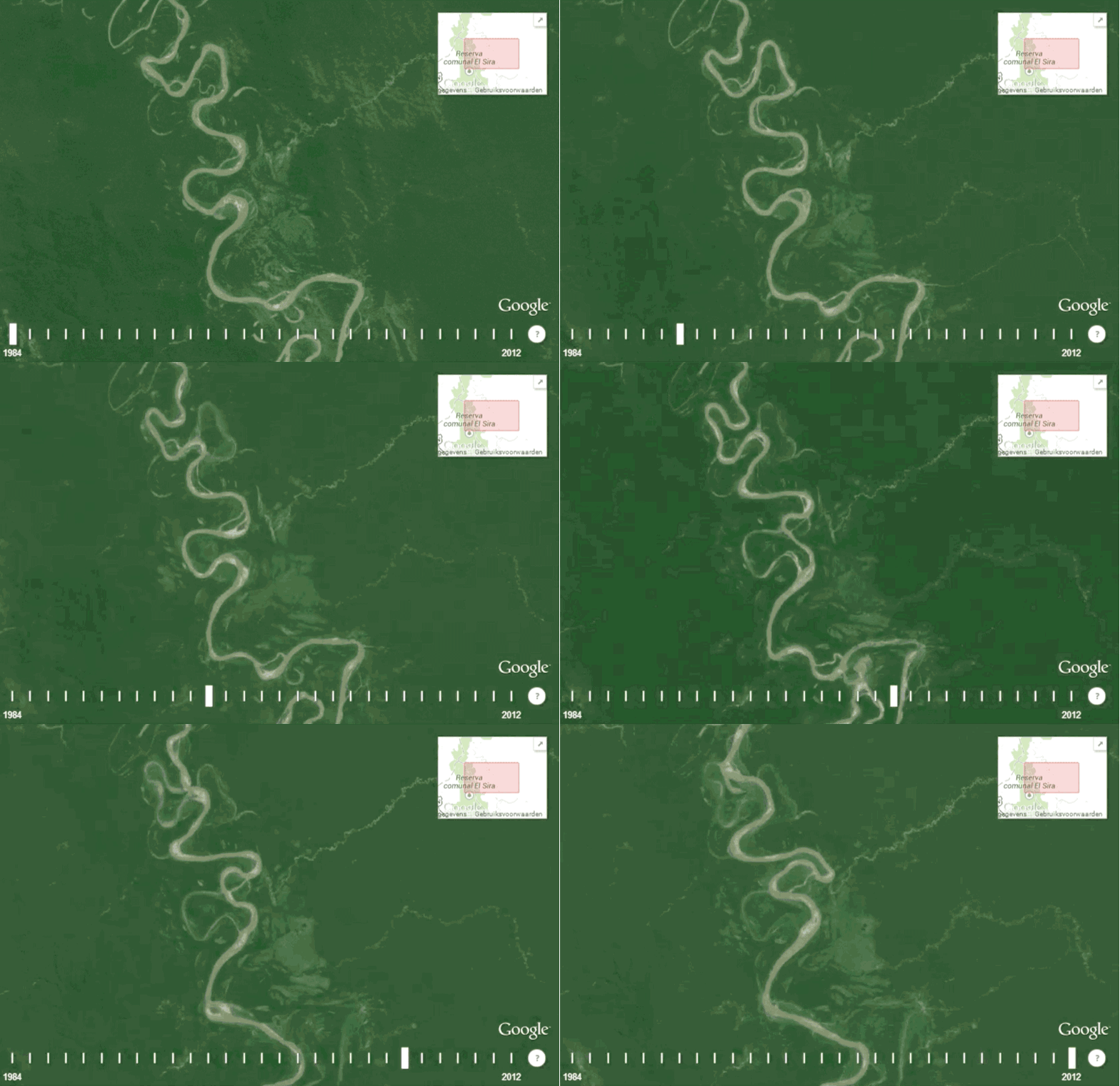
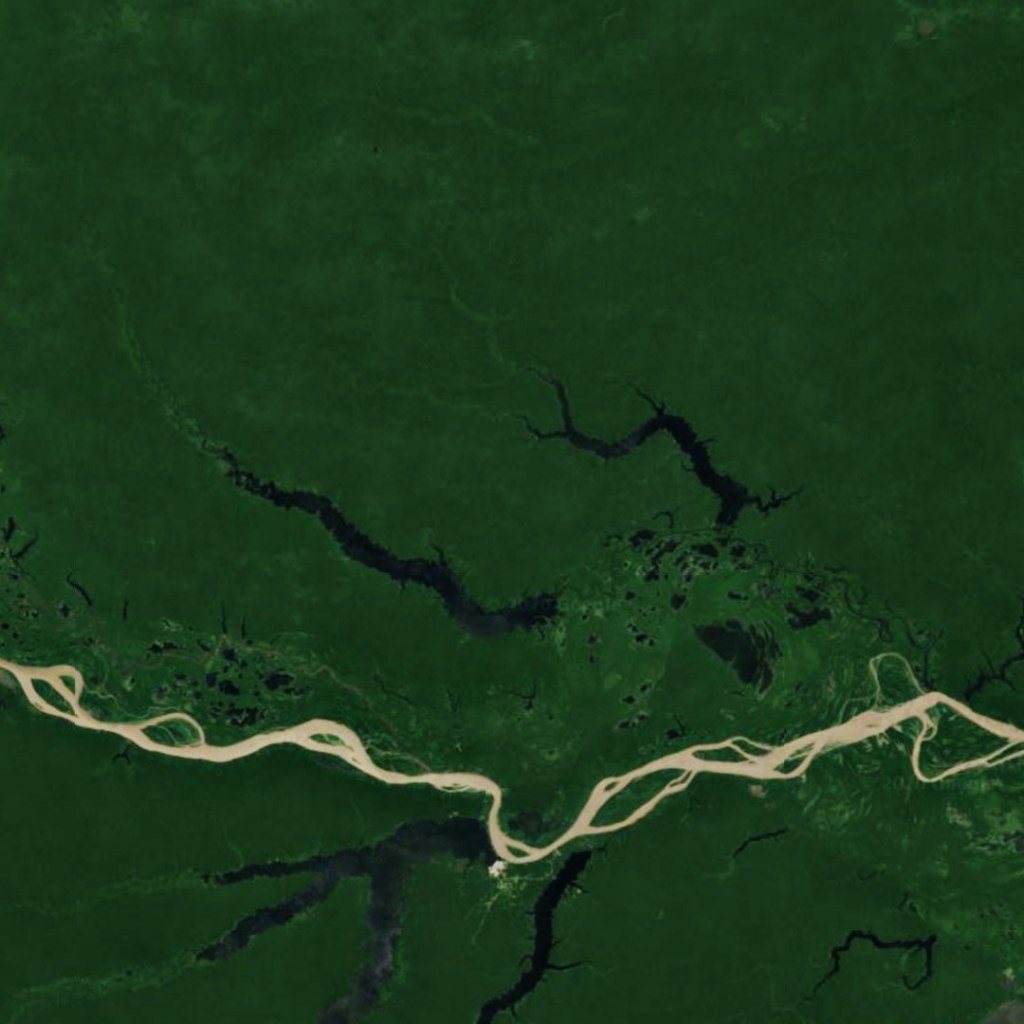
AMAZON FOREST
The Amazon rainforest is the largest tropical rainforest in the world and provides 20% of Earth’s oxygen. It is also known as the ‘Lungs of the planet’.

The Amazon is estimated to have 16,000 tree species and 390 billion individual trees. The rainforest is thought to have over 2.5 million species of insects. More than half the species in the Amazon rainforest are thought to live in the canopy. It shelters 10% of the world’s known biodiversity. One in five of all species of bird and fish live in the Amazon.

Around 400-500 indigenous American-indian tribes live in the Amazon rainforest. Around 50 of them have their own language and culture and have never had contact with the outer world. They are nomadic hunters and gatherers and constantly need to move around.

WORLD’S HIGHEST MOUNTAIN

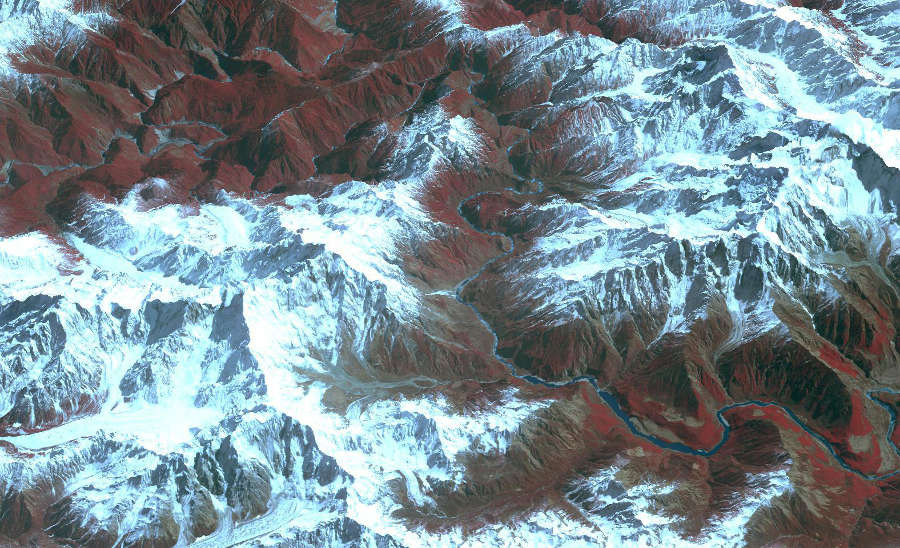
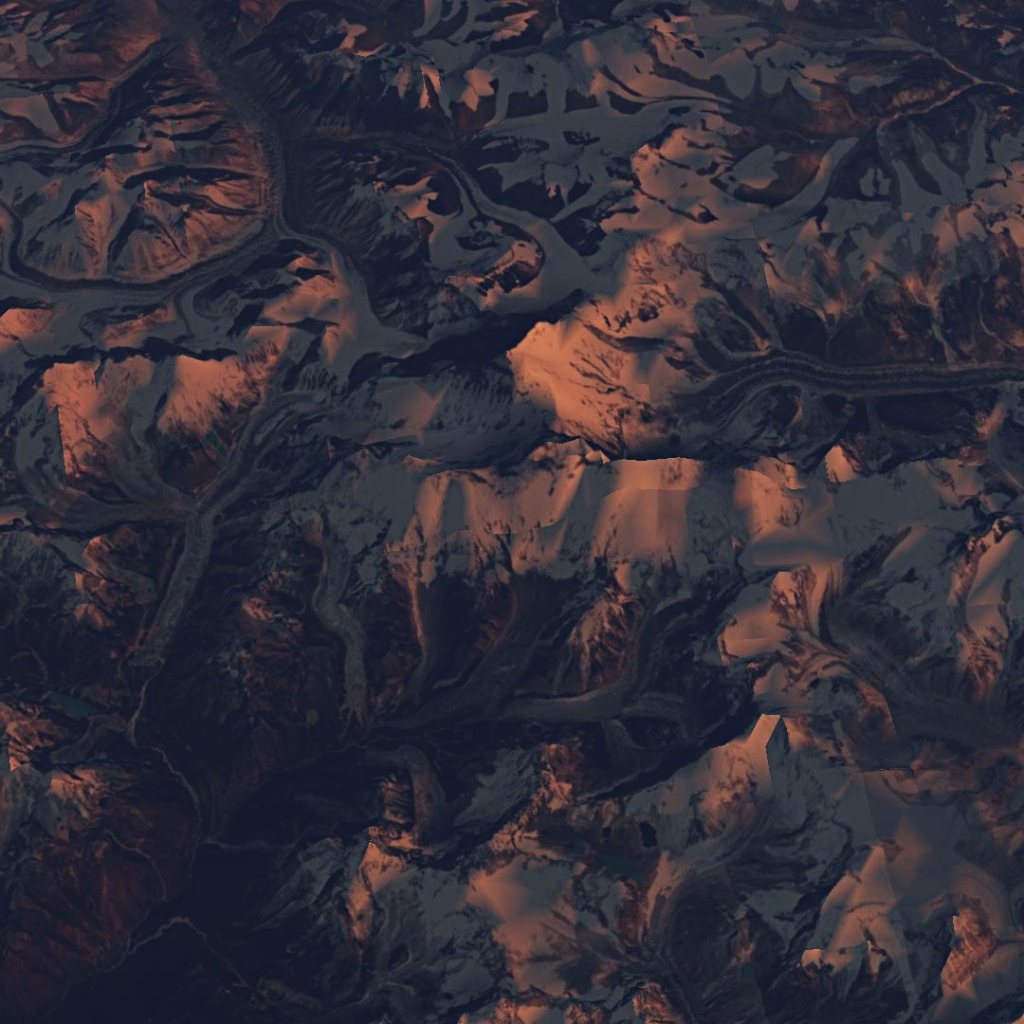
MT. EVEREST
Nepalese call The Mount Everest as Sagarmatha which means ‘forehead in the sky’ and Tibetan call it Chomolungma which means ‘mother of the World’.

The height of Mount Everest is 29,029 feet or 8,848 Metres. According to one survey conducted, the height of Mt Everest increases every year by 4mm. This happens due to the collision of the Indian-Australian and the Eurasian plates.

The top of Mt. Everest is engulfed by the jet stream for a major part of the year, making climbing near impossible due to high winds and extreme sub zero temperatures. It is only when the winds die down in May and again for a short period in September, that we have a so called ‘Summit Window’, when conditions are safe enough for climbers to try and reach the summit.

WORLD’S LONGEST RIVER

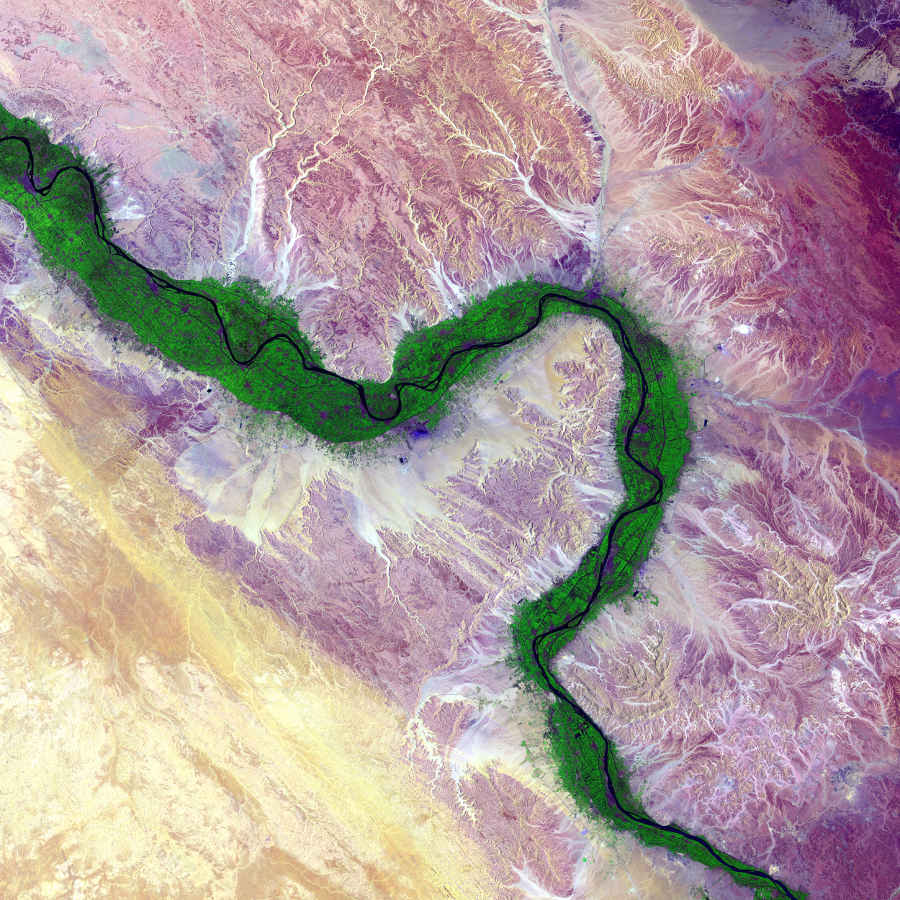
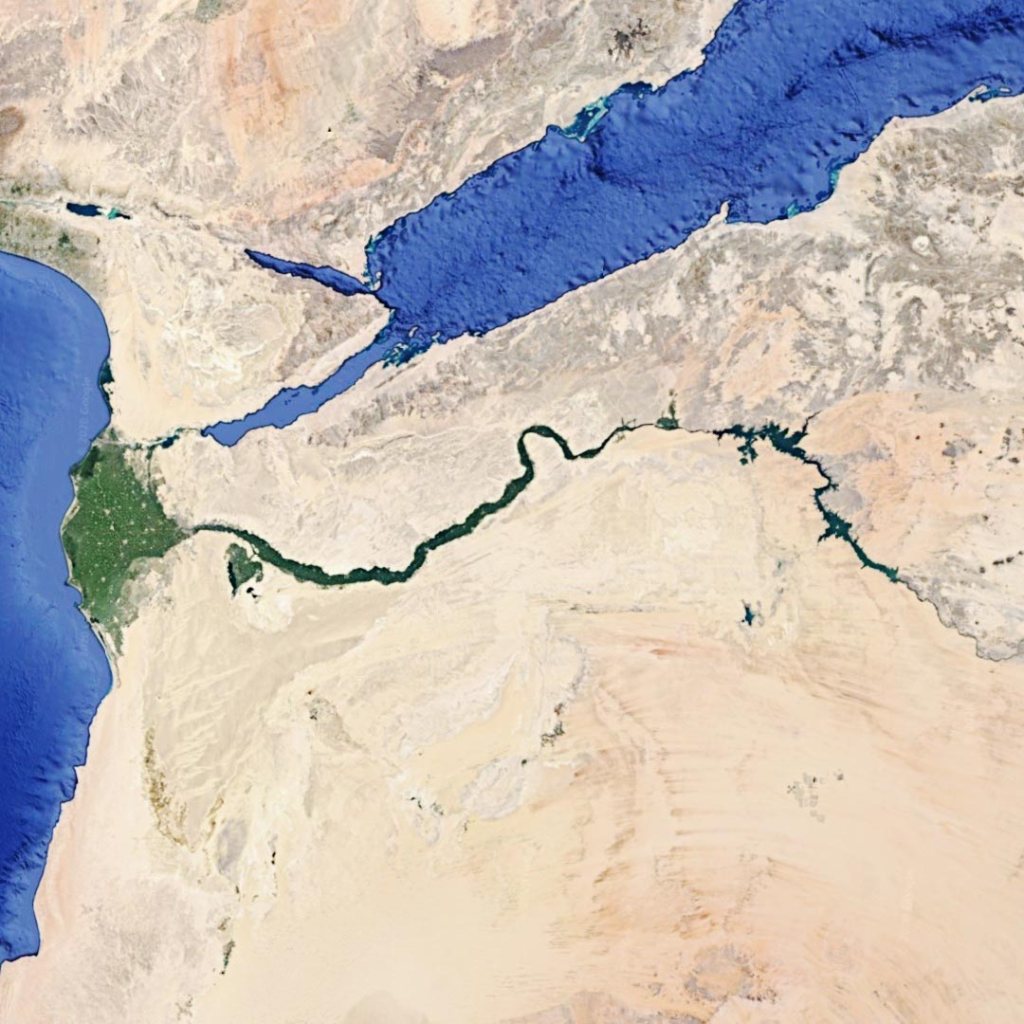
RIVER NILE
Found in northeast Africa, the Nile is the longest river in the world – stretching a massive 6,695km!

The Nile has been an important source of life for people throughout history. Around 5,000 years ago, the Ancient Egyptians relied on the Nile for fresh water, food and transportation. This fascinating river remains an invaluable source of life for Egyptians to this day. More than 95% of the country’s population depend on its water and live within a few miles of the river banks.

And it’s not just important for humans – the river and its banks are home to lots of wonderful wildlife, too – including different kinds of fish and birds, as well as turtles, snakes, hippos and one of our planet’s largest reptiles… the Nile crocodile!

WORLD’S LARGEST ISLAND

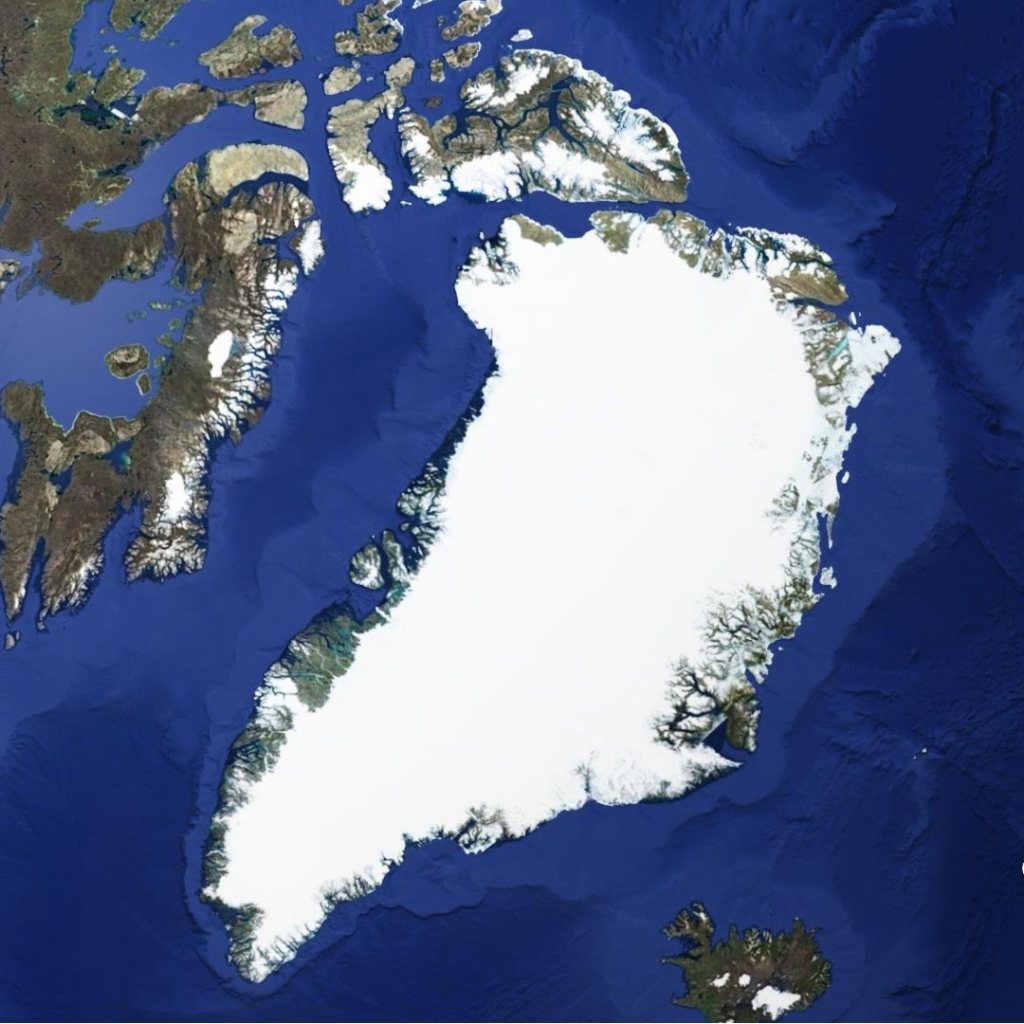
GREENLAND
Greenland is one of the biggest places in the world, and yet very little of it is known to the outside world. Greenland is actually the world’s biggest island – by area – that is not a continent. The total area of Greenland is 2.16 million square kilometres (836,330 square miles), including other offshore islands.

Almost 80 percent of the land mass is covered by an ice cap. The ice-free area may be a minority, but it’s still around the size of Sweden. With a population of 56,480 (2017 estimate), it is one of the least densely populated countries in the world.

According to scientists, Greenland was actually quite green more than 2.5 million years ago. A new study reveals that ancient dirt was cryogenically frozen for millions of years underneath about 2 miles of ice.

WORLD’S LARGEST INLAND WATERBODY

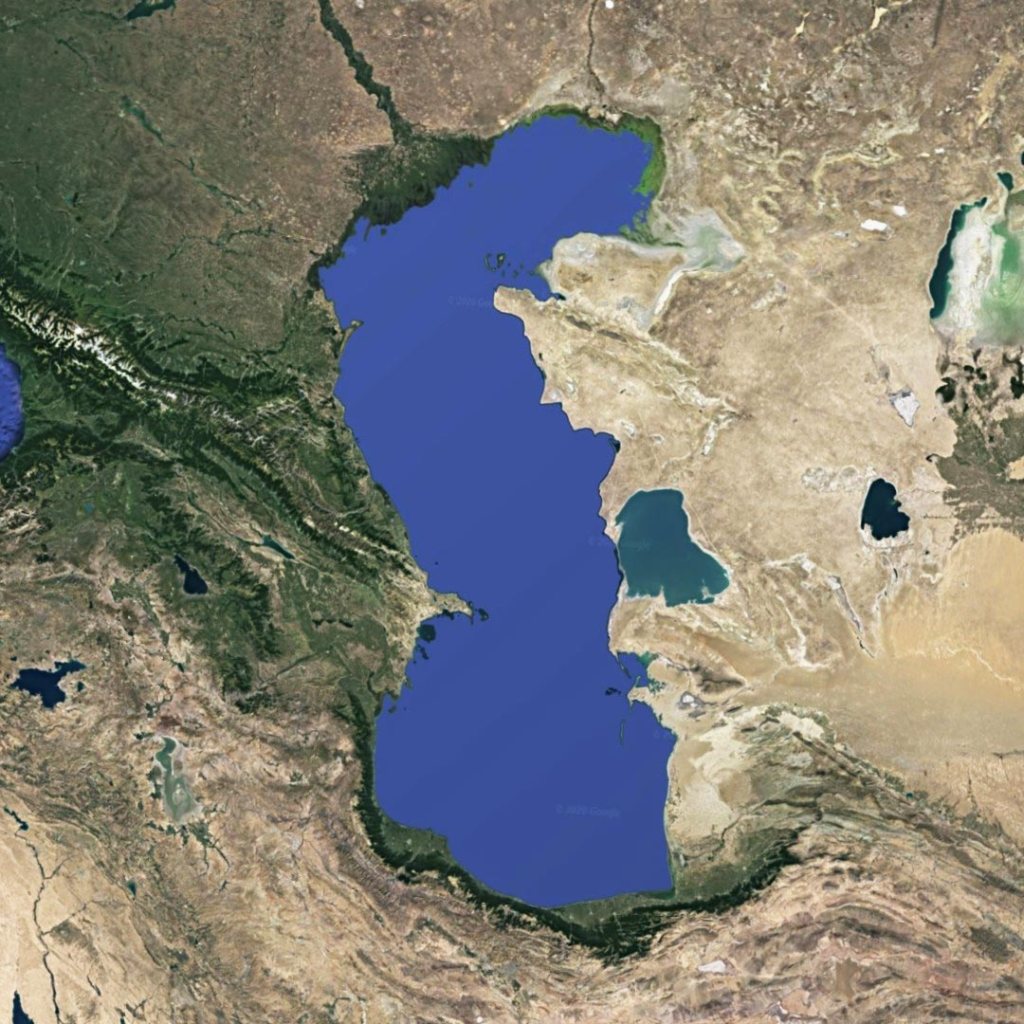
CASPIAN SEA
The Caspian Sea or Mazandaran Sea is a landlocked sea between Asia and Europe (European Russia). It is the world’s largest inland body of water, with a surface area of 371,000 km² (143,000 sq. mi.), and therefore has characteristics common to both seas and lakes. It is often listed as the world’s largest lake, though it is not a freshwater one.

The Volga River (about 80% of the inflow) and the Ural River discharge into the Caspian Sea, but it is endorheic, i.e. there is no natural outflow (other than by evaporation). Thus the Caspian ecosystem is a closed basin, with its own sea level history that is independent of the eustatic level of the world’s oceans. The Caspian became landlocked about 5.5 million years ago. The level of the Caspian has fallen and risen, often rapidly, many times over the centuries.

WORLD’S LARGEST DELTA

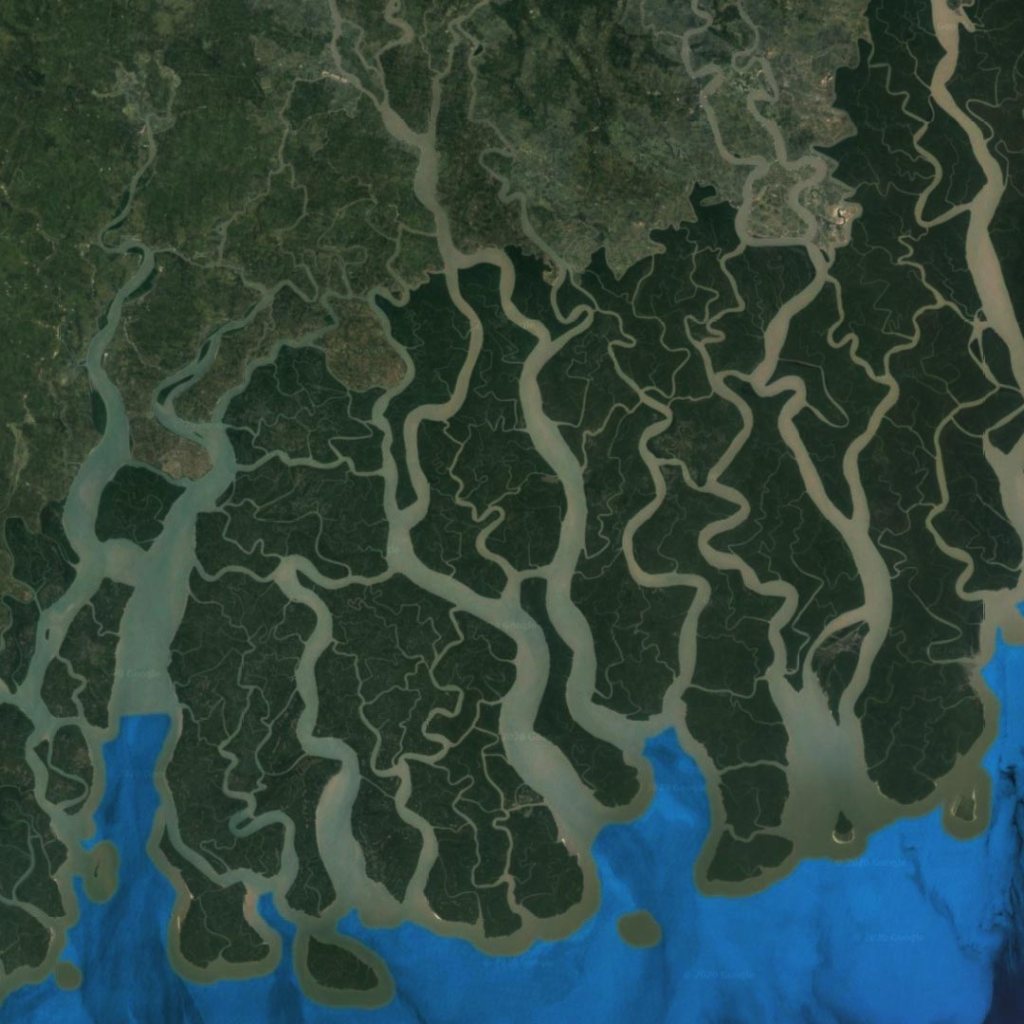
SUNDERBAN DELTA
Sundarbans delta has got the world’s largest coastal mangrove forest (an area of about 10,000 km2, with enormous beauty shared between India (4,000 km2) and Bangladesh (6,000 km2 ). Sundarban Jungle has been named after the large mangrove trees Sundari (Heritiera littoralis) found here.

The interconnected network of waterways in Sundarbans makes almost every corner of the forest accessible by ferries and boats. Sundarban has unique tidal phenomenon twice a day – there are high tides when water level seems to rise around 6-10 feet and low tides when one can see the huge mud land area lying flat. Sundarbans is also home to the royal bengal tiger and has been designated as a national park to protect this majestic but endangered species.

WORLD’S HIGHEST ACTIVE VOLCANO

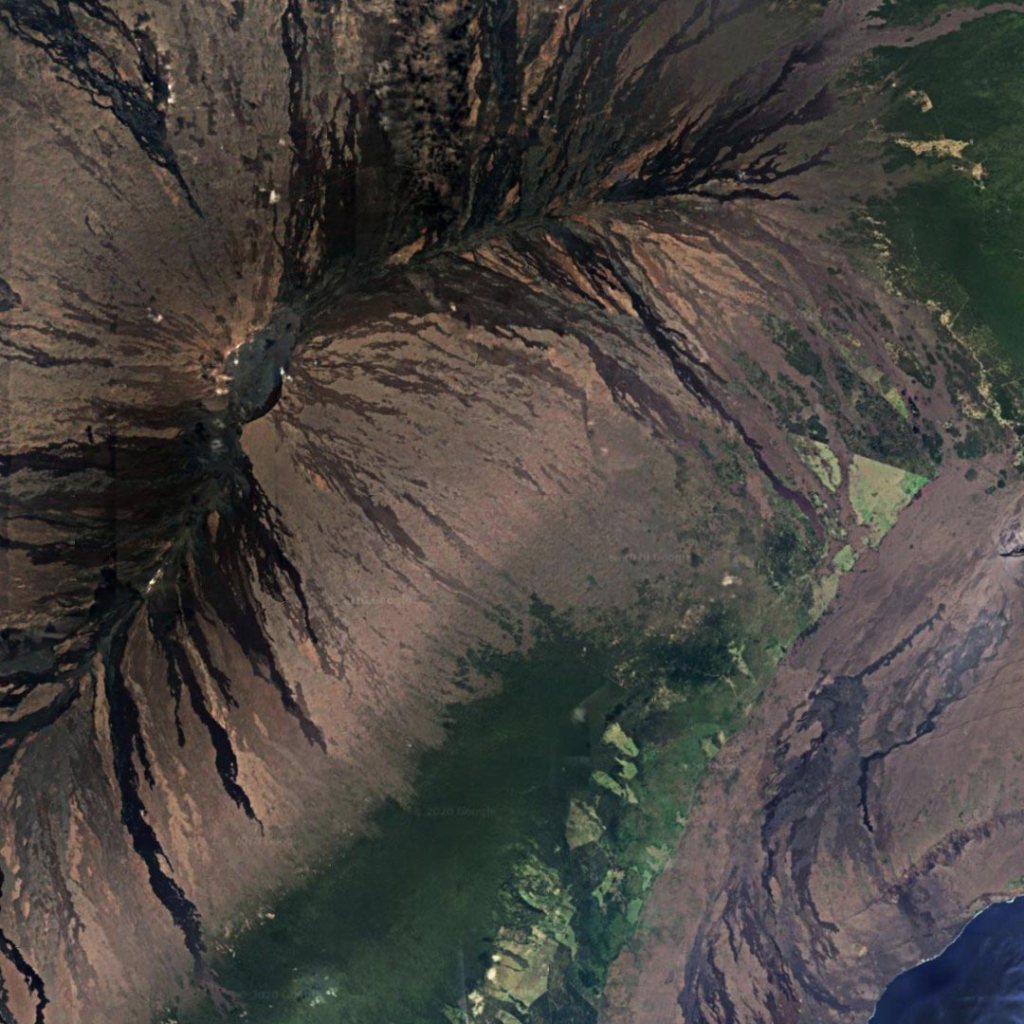
MAUNA LOA
Mauna Loa is the world’s largest and one of its most active volcanoes – a giant shield volcano on the Big Island of Hawai’i. Mauna Loa has probably been erupting for at least 700,000 years, and may have emerged above sea level about 400,000 years ago. The oldest-known dated rocks are not older than 200,000 years. The volcano’s magma comes from the Hawaii hotspot, which has been responsible for the creation of the Hawaiian island chain over tens of millions of years.

WORLD’S LARGEST CANYON

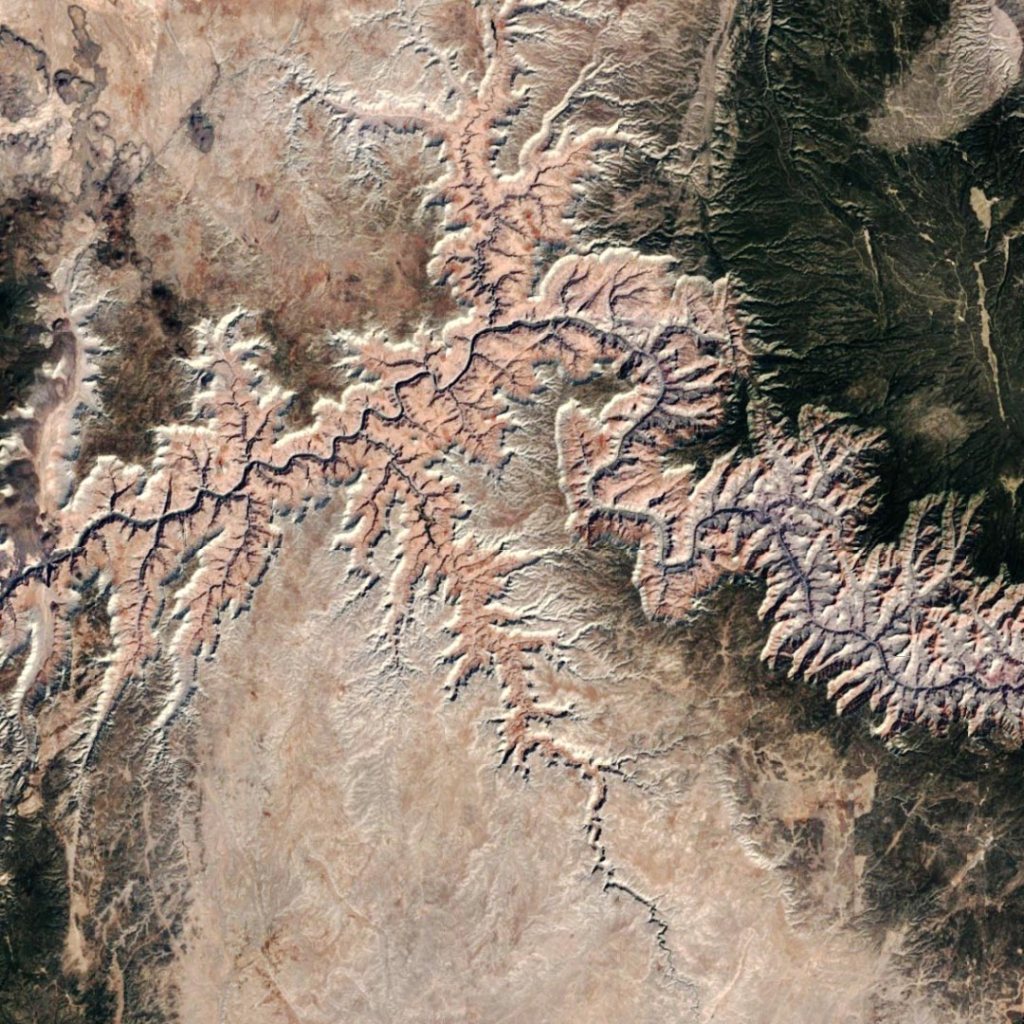
GRAND CANYON
Grand Canyon is a chasm 277 miles long and up to 18 miles wide, with an average depth of about one mile. It took 3-6 million years to form and the erosion continues to alter its contour even today. It was formed by the Colorado River, which flows west through the canyon and averages about 300 feet width, 100 feet in depth and flows at an average speed of four miles per hour.

The surround environment hosts approximately 70 species of mammals, 250 species of birds, 25 types of reptiles and five species of amphibians

PALE BLUE DOT

END NOTE
We hope you enjoyed this short exploration of our Earth and it has inspired you to check out Google Earth and the many amazing voyages it features. Exploring the world helps us know it better. And knowing the world can help us know our own role in nurturing it and protecting it.

To get a monthly newsletter with new ideas and articles please sign up at this linkDo pass on the inspiration and share this article with friends who might enjoy it.

Calm in Nature offers you simple ways to still your mind and recenter your spirit, so that you may deal better with the challenges of life. It’s because finding peace in difficult times is never easy. In this article we will learn from wise masters, established teachers and some poetic seekers. You will find a collection of exceptional meditations that take inspiration from Nature. The cloud, tree, forest, river, ocean, desert, and mountain can all show you the path of finding your calm in nature.

7 Ways to find calm in nature

The very nature of life is to move through cycles of ups and downs. No matter how much we try to predict or control our paths, we are bound to encounter the unexpected. 

In these complex times people across the world are going through testing times. There is uncertainty, anxiety, suffering and loss. Amidst all this, there is also a big need for hope and resilience. Each one of us has to navigate our own journey through this storm. What we can do, is take nature’s help in finding our inner strength and peace. We can grow an awareness that this phase will not last forever. The rainbow at the end of the storm is waiting for us. 

Mountain Calm

The birds have vanished down the sky.
Now the last cloud drains away.
We sit together, the mountain and me,
Until only the mountain remains.
~Li Po
pic by: Daniel Leone

The following excerpt has been taken from Jon Kabat-Zinn’s Mountain Meditation.

Allow the body to be still and sit with a sense of dignity, a sense of resolve, a sense of being complete, whole, in this very moment, with your posture reflecting this sense of wholeness. 

As you sit here, let an image form in your mind’s eye, of the most magnificent or beautiful mountain you know or have seen or can imagine…, let it gradually come into greater focus… and even if it doesn’t come as a visual image, allowing the sense of this mountain and feeling its overall shape, its lofty peak or peaks high in the sky, the large base rooted in the bedrock of the earth’s crust, it’s steep or gently sloping sides… 

Notice how massive it is, how solid, how unmoving, how beautiful, whether from a far or up close…

By becoming the mountain in our meditation practice, we can link up with its strength and stability and adopt them for our own. We can use its energies to support our energy to encounter each moment with mindfulness and equanimity and clarity.

It may help us to see that our thoughts and feelings, our preoccupations, our emotional storms and crises, even the things that happen to us are very much like the weather on the mountain. We tend to take it all personally, but its strongest characteristic is impersonal. 

The weather of our own lives is not be ignored or denied, it is to be encountered, honored, felt, known for what it is, and held in awareness… And in holding it in this way, we come to know a deeper silence and stillness and wisdom. 

Mountains have this to teach us and much more if we can let it in.

Cloud Meditation

The freedom of an ever moving, ever changing cloud represents the freedom of spirit. One that is not fixed or attached to things that hold us down. Watch this meditative short film from the ‘Valley of Clouds’ and reflect on the cloud within you.

Forest Calm

One way of interpreting the word ‘Forest’ is to see it as a place ‘for rest‘. In this beautiful poem ‘Sleeping in the Forest’ by Mary Oliver, we find respite from a weary world and return to a place of deep calm.

I thought the earth remembered me,
She took me back so tenderly,
arranging her dark skirts, her pockets
full of lichens and seeds.
I slept as never before, a stone on the river bed,
nothing between me and the white fire of the stars
but my thoughts, as they floated light as moths
among the branches of the perfect trees.
All night I heard the small kingdoms
breathing around me, the insects,
and the birds who do their work in the darkness.
All night I rose and fell, as if in water,
grappling with a luminous doom. By morning
I had vanished at least a dozen times
into something better.
~ Mary Oliver

pic by: Katriina Kilpi

To diver deeper into Forest Meditation , tap this link find a treasure chest of activities.

Tree Song

Listening to the song of trees is one of the most calming sounds in nature. The wind in the leaves and birds in the branches can slow down the movement of time and fill your heart with joy.

You can create your own tree song at this link.
https://mynoise.net/NoiseMachines/primevalEuropeanForestSoundscapeGenerator.php

This soundscape has been recorded in the Bieszczady National Park — one of the few remaining primeval forests in Europe. Bieszczady is located at the extreme south-east corner of Poland, bordering Slovakia and Ukraine. The park and its surroundings are part of the wider UNESCO East Carpathian Biosphere Reserve, an area of land where the woods are mostly natural.

The bird sounds as well as the other animal sounds were recorded by hiding recorders in the forest and leaving them running for 24-hours continuously, without any human presence.

pic by: Gert Boers

River Story

Fable: Two giants were about to get into an epic battle. Everyone was nervous and yet there was a thrill in the air. One of the giants was immovable and had stood his ground for centuries. He was made of solid rock and no one had been able to make him move from his place. The other giant was crafty and nimble. She could twist and turn and had never been still. No one had been able to stop her yet. 

In a frozen moment of great tension the two giants collided. There was a loud roar that echoed into space. The river pounded with all its force, but the mountain stood his ground. The river’s current was strong, but it had to find ways to flow around and carry on. After watching with great interest the spectators decided that the rock giant was stronger and went to congratulate it. But the mountain was surprised and retorted angrily ‘Can’t you see I am losing?’ 

In a battle that rages till this day, the River Colorado manages to cut through the Grand Canyon forming one of the most beautiful natural wonders of the world.

Insight: Perseverance can move mountains. The way of water is stronger than the way of the rock.

Amazing fact: The Colorado River established its course through the canyon at least 17 million years ago. Since that time, the Colorado River continued to erode and form the canyon to its present-day configuration

I would love to live
like a river flows,
carried by the surprise
of its own unfolding.

~John O’Donohue
pic by: Ivan Bandura

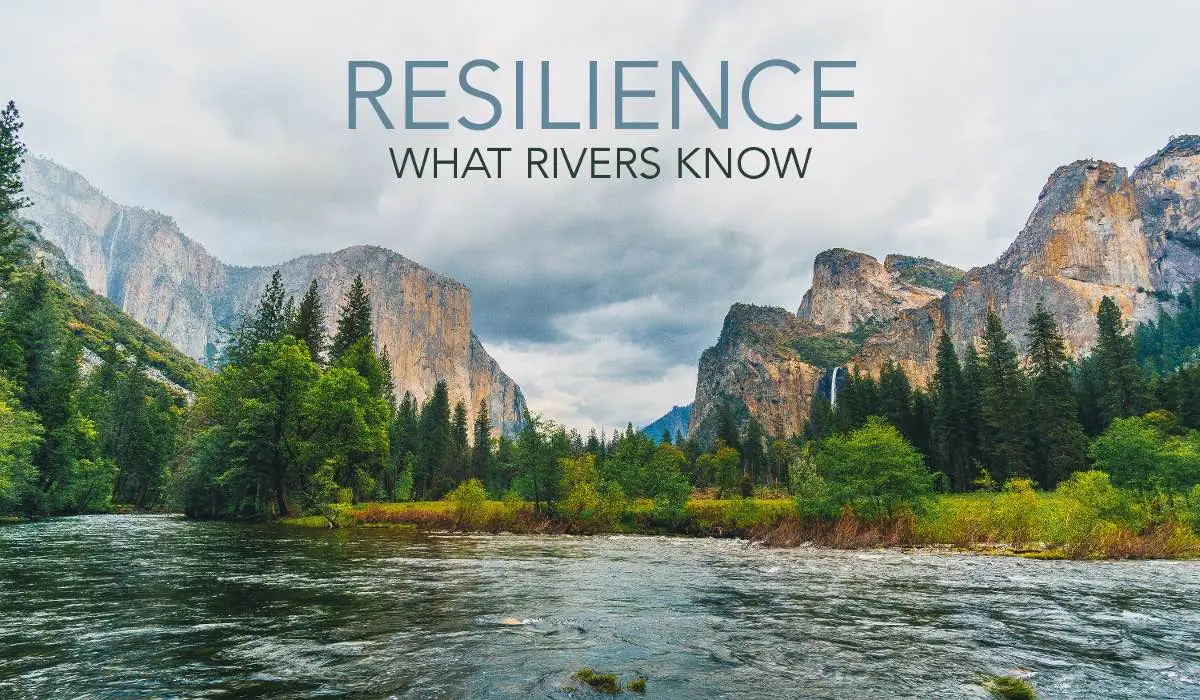
Visit our blog post for more lessons, examples, and stories of resilience from rivers.

Ocean Poem

The vastness of the ocean is often daunting, for one is always cautious of the unknown. In this wonderful poem by Khalil Gibran we find a metaphor of the river and ocean for overcoming our fears.

It is said that before entering the sea
a river trembles with fear.
She looks back at the path she has traveled,
from the peaks of the mountains,
the long winding road crossing forests and villages.
And in front of her,
she sees an ocean so vast,
that to enter
there seems nothing more than to disappear forever.
But there is no other way.
The river can not go back.
Nobody can go back.
To go back is impossible in existence.
The river needs to take the risk
of entering the ocean
because only then will fear disappear,
because that’s where the river will know
it’s not about disappearing into the ocean,
but of becoming the ocean.
~ by Khalil Gibran

pic by: John Fowler

Desert Meditation

Many people perceive the desert as a harsh and difficult place to live in. But ecologists know that deserts have their own unique ecosystem and many species live and thrive in the desert.

Philosophically speaking, the desert represents emptiness. To meditate on the desert is to meditate on emptiness. It is to go beyond the clutter of thoughts and emotions and to find the vast open space within us.

In following passage from Jack Kornfield’s book ‘A Path With Heart’, he introduces us to the Buddhist concept of healing through emptiness.

“The last aspect of mindful healing is awareness of the universal laws that govern life. Central to it is an understanding of emptiness. We experience it when we see that our existence is transitory, that our body, heart, and mind arise out of the changing web of life, where nothing is disconnected or separate.

The deepest experiences in meditation lead us to an intimate awareness of life’s essential openness and emptiness, of its ever-changing nature, of its nature as an unstoppable process. And it can open us to the great mystery of life, to the discovery of the emptiness and wholeness that we are and our fundamental unity with all things.”

GIFT OF CALM IN NATURE

There are many scientific reasons for the calming effect of nature on our minds. Some of the major benefits include a boost in your physical immunity and well-being. Better mental health and protection from the ill-effects of stress, anxiety, depression. Improvement in sleep, focus, memory and cognitive skills. But the most important phenomenon of connecting with nature is a growth in our understanding of the laws of nature that weave through all creation.

By finding our own calm in nature, we are able to bring this tranquility to our day-to-day chores and influence the nature of other people in our lives.

The coronavirus has shown us that the fate of our species is linked with each other, irrespective of borders and religion. It is time to grow our humanity, come together as a species and lend our support to those in need because we are all connected. There are no others.  

Please add any other inspiring nature meditations, in the comments section below. We will share it with our large audience base on Facebook.

If you enjoyed this post, do check out our Nature Calm course with over 150+ mindful nature activities and meditations from around the world. To get a monthly newsletter with new ideas please sign up at this link

May the calm of nature always be with you.