Art is fire. Art is water. Art is earth. Here’s a list of 10 nature artists that have immersed their lives in creating art for nature, from nature. Through their work we find new connections to the world outside and new ways of connecting to the nature within.
This list is not a ranking. It is a curation of works of inspiration. We have covered a wide range of nature artists who work with different elements – rocks, ice, sand, sound, forest, flowers, and even light.
10 Nature Artists
Like bees spread pollen from the flowers, we hope you will be captivated by their works and share their art with a wider world. It will go a long way in bringing more people closer to nature. Which in itself is one of the main intentions of these artists for nature. Please feel free to add to the list of nature artists in the comments section below.
Nature Artist of Snow
Simon Beck is a British snow artist and a former cartographer. Referred to as the world’s first snow artist, he is primarily known for his landscape drawings and sculptures created from snow and sand.
Tomás Sánchez is a Cuban painter. Best known for his detailed and idealized nature scenes, his work is characterized by its contemporary interpretation of landscape painting.
Kilian Schönberger is a professional photographer & geographer from Germany. He has a form of colour blindness which he uses as a strength – given the difficulty of distinguishing certain tones, he concentrates on pattern and structure.
Jonna Jinton is a self taught artist based in north Sweden. Her art reflects this dreamlike landscape and its subtle changes during the four seasons. More importantly, it speaks of a unique way of living which is in harmony with nature.
Nature Artist of Words
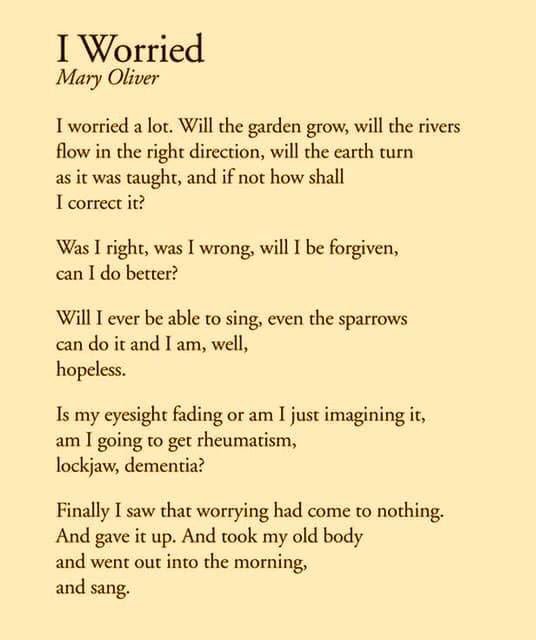
Mary Jane Oliver (September 10, 1935 – January 17, 2019) was an American poet who won the National Book Award and the Pulitzer Prize. Her work is inspired by nature, rather than the human world, stemming from her lifelong passion for solitary walks in the wild.
Nature Artist of Flowers
Montreal-based fashion designer Raku Inoue designs gorgeous life forms with fresh flower petals, blooms, and leaves blending natural inspirations with creative art.
In a mix of artistry, geometry, and technology, San Francisco-based Earthscape artist Andres Amador creates massive sketches in the beach sand – sometimes geometric, and sometimes more abstract and serendipitous – using rakes and ropes. The designs are temporary; where the waves don’t wash away his work, walking beach visitors and the wind will naturally muddy and dissolve the precise lines.
James Brunt is an English artist who creates beautiful land art using natural objects in his home county, Yorkshire. The artist’s works will leave you with a feeling of serenity and calmness and after seeing them, you’ll want to try your hand at it yourself. Here’s his code for creating art with nature.
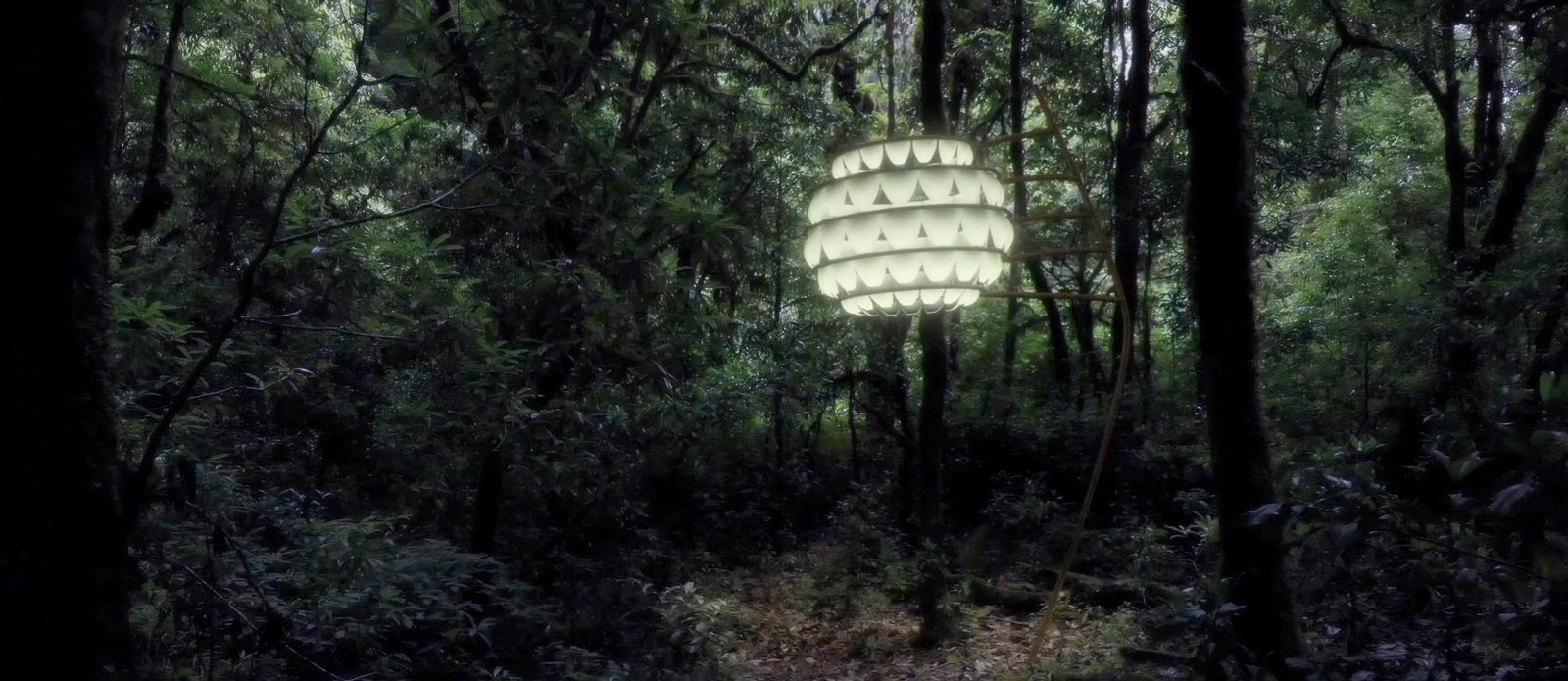
Ellie Davies is a London based multimedia artist. She spent 7 years in forests of the UK slightly altering them to give a more fairy tale feel. The layers of meaning that man puts on nature is her passion and her work is supposed to evoke thoughts in that direction.
Acoustic ecologist Gordon Hempton collects sounds from around the world. He’s recorded inside Sitka spruce logs in the Pacific Northwest, thunder in the Kalahari Desert, and dawn breaking across six continents. An attentive listener, he says silence is an endangered species on the verge of extinction. He defines real quiet as presence — not an absence of sound but an absence of noise.
Nature Art & Nature Artists
We hope you enjoyed this small collection of nature artists and a glimpse of their art. Feel free to grow the list by adding nature artists that have inspired you in the comments below.
Now more than ever, we need to get people out of their screens and homes to experience the gifts of our Earth. There is an urgent need for action to create a healthy society, and a healthy planet. And artists have a unique role to play in the process. Just as we have a role in spreading their art.
Healing Forest is a volunteer driven project that aims to bring people and forests closer to each other through creativity and mindfulness. Our aim is simple. Helping people heal. Helping forests heal. To get inspiring new ideas once a month, you can join our free newsletter.
The goal of Healing Forest is to create a calmer, healthier, kinder world, by reconnecting people with nature.
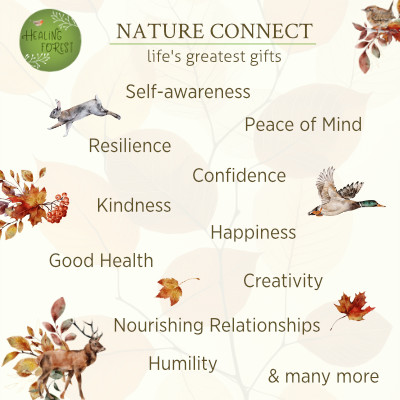
Create your own nature art with these activities: Nature Play Walks : For life’s most useful skills. Nature Calm: For life’s greatest gifts.
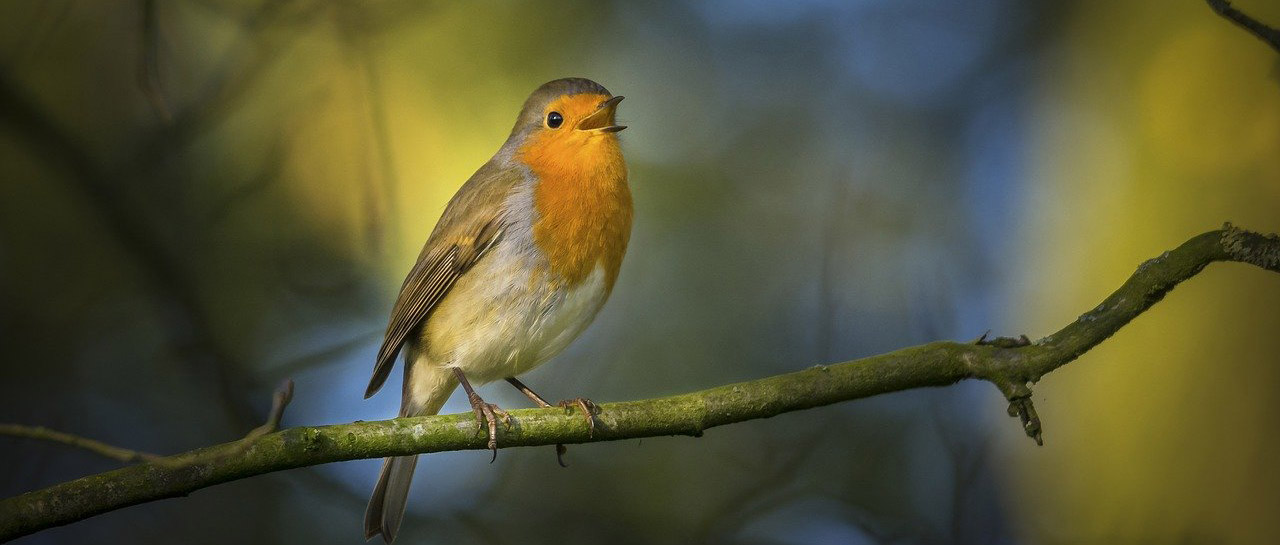
What can the wisdom of birds teach us about creating a life filled with joy, spontaneity, and song?
The latest research into bird intelligence leads to a fascinating conclusion: birds are thinkers. Not only are they capable of abstract thought, but they can also communicate with humans, solve problems, and experience complex emotions like grief.
In this post we explore remarkable insights from a variety of birds, through the voices of scientists, artists, seekers and bird lovers. You will also find helpful bird games that people of all age groups can enjoy and find enriching. And don’t miss the bird meditation as well as the wonderful forest gift at the very end.
Eat, Play, Nest: Wisdom of Birds
Lower your binoculars. See any bird or person in the full context of their being, feathers or skin. We all share the same air, same water, same earth, and same fate in the end.
~J. Drew Lanham
References for this blog post:
The Bird Way (2020) and The Genius of Birds (2016) by Jennifer Ackerman | Bird Meditation by Helen Macdonald, naturalist and author of H is for Hawk, and Vesper Flights | Bird Activities from Handbook of Bird educators by early-bird.in | Film by ND / healingforest
1. Bird Wisdom: Play is therapeutic
Ravens are highly playful birds. Birdwatchers around the world have seen them flying away with sticks, which they drop and then catch again. They also surf down pebbled river banks, and on roofs with loose tiles. Scientists struggle to explain such behavior. Play, after all, requires energy that could instead be used for growing or hunting. It’s also risky. If you’re surfing on pebbles down a river bank, you’re unlikely to spot predators like wolves or eagles.
In the late nineteenth century, the German philosopher Karl Groos wrote a book called The Play of Animals. In it, he argued that play allows animals to hone vital life skills like hunting and fighting. Though this assertion is yet to be proven, Groos’s theory is still popular among scientists.
There may be another explanation for why ravens play. Simply put: it’s pleasurable. When ravens play, their brains release dopamine – a chemical associated with sensations of pleasure. This suggests that, for them, play may well be a reward in itself. And that makes sense, considering the fact that ravens have been observed to forgo food if it means more playtime!
Activity: Bird Charades Each participant picks a favourite bird or picks up a bird name from a bowl. They then come up one by one and enact the name without speaking, while others try to guess the name. Once guessed the bird name is appended to the participant’s name. The advanced level of this game is done by trying to guess the bird just by enacting the mannerisms of the bird – the way it flies, eats, or moves on the ground.
2. Bird Wisdom: Learn the songs of life
The way birds learn to sing is similar to the way people learn languages. Just like human babies, birds are highly receptive to any sound and have the capacity to learn and imitate what they hear. But as a bird is exposed to the songs of its own species, it focuses on them and the songs of other species fade away. Well, except for mockingbirds, that is. Mockingbirds rather impressively hold on to this receptivity, which means they can absorb more and more songs over the course of their lives, which they in turn imitate.
As humans, we often limit our hearing to our own species. And even within that, many people tend to focus on words and opinions that match their own beliefs. How can we learn to expand our listening to include those whose voices are different from ours? Perhaps the birds can help.
BirdActivity: An exercise in listening Different species of birds make different kinds of sounds. The sounds also vary based on the situation and what the birds are communicating. Try this activity to get an idea of how varied vocalisation from a single bird species can be.
Pick a bird and follow it for as long as you can. Listen carefully to the kinds of sounds it makes.Try to represent the sounds in writing (e.g., ‘caw’ and ‘krrr’ are two crow sounds). Describe the situation in which the bird is making this sound (is there a predator around, is it preening itself, is it nesting season, etc ).
Write down a library of sounds made by that species (scientists called this a ‘repertoire’). Remember that males and females (if you can distinguish them) may have different repertoires. From your observations, are different sounds made in different situations? What could they mean?
Why do birds sing most at dawn? It happens universally, but even after thousands of years of witnessing this phenomenon we don’t know why. We cannot ask other species to explain themselves, since it is not language we share with the birds. It is music. Music does not exist to be decoded. We and the birds exist to make it. Make it together and the whole world feels its power, its joy.
~ David Rothenberg, Musician and philosopher
3. Bird Wisdom: Add a little art to life
A 1995 study on pigeons, conducted by Shigeru Watanabe, found that the birds could pick out a Monet and a Picasso from a group of similar paintings.
If someone told you that birds are capable of making art, you’d probably laugh. But some male birds actually do create beautiful displays to attract mates. For instance, while all birds make nests, some of them make far more elaborate structures. Just take the satin bowerbird, which, rather than merely building a nest, makes a bower. He begins by building walls with twigs of the appropriate size, placed in the correct places. Then he decorates the newly constructed walls with a variety of objects and flowers.
A female, when she arrives, examines the male’s bower and, if she’s interested, sticks around while the male dances to win her affection. This is a high-stakes situation because most males fail and only a small number of them mate with many different females. As a result, only the most impressive bower will do.
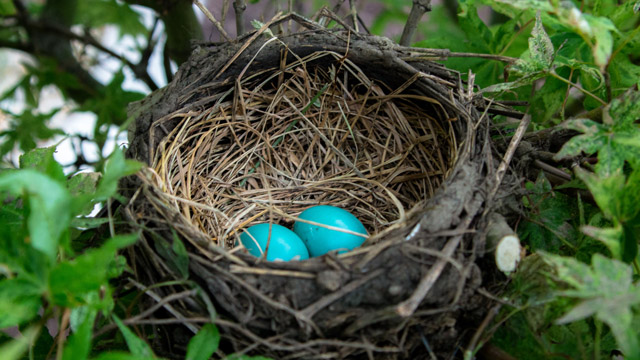
Bird Activity: Design a Nest The nests of birds are vital to their persistence. Yet bird nests are sometimes directly targeted by people (e.g. through hunting) or are indirectly destroyed when tree branches are cut or entire trees brought down. This activity involves trying to build a bird nest on your own. You can start by noticing different kinds of nests, and begin to appreciate the hard work involved in nest building.
Collect natural materials like grass, twigs, and leaves that you think birds use to build nests. Then, using these materials in any way you choose, construct nests that could hold eggs. The resultant nests should be strong and intact. You can test it out by putting some pebbles in it.
4. Bird Wisdom: Wisdom grows when you work in groups
Lots of birds use found objects in a variety of useful ways. For instance, burrowing owls scatter dung around their nests to attract tasty dung beetles, while African gray parrots use sticks to scratch their backs. And if it wasn’t impressive enough that some birds use tools, the New Caledonian crow actually makes them. This species of crow trims the branches off twigs to make long, straight sticks that they use to access hard-to-reach places. They even make hooked tools to catch insect larvae. This is a big deal because humans are the only other species that makes hooked tools; even chimps don’t make such sophisticated implements. But their greatest intelligence comes from social interactions.
Birds have social intelligence showing signs of empathy. For example, geese often fly in v-shaped formations which helps the younger and weaker members of the flock in flight. Rooks console each other after a fight with what strongly resembles kissing. And western scrub jays often flock to the place where their group members die.
So, birds are socially aware as well as smart, and social interaction might actually be the reason for their intelligence. After all, living in and maintaining a society requires intelligence and effort, as a brief glance at our own social problems makes clear. Some scientists think that social interactions are a primary reason for intelligence among animals – birds included.
Activity: Bird Orchestra The group is divided into 4 or 5 teams. Each team thinks of the call of a bird that they are able to sing themselves. One of the participants acts as the conductor of the orchestra. When the conductor points at a team, that team sings the bird call that they had chosen. The conductor can designate both start and stop gestures, and by gesturing at different groups in turn, can create a ‘symphony’ of bird songs. Participants take it in turn to act as the conductor.
5. Bird Wisdom: Every bird holds a message.
The beauty of the human mind lies in our ability to learn through observation. Mediation is the practice of fixing our attention on something that can help us grow our awareness and understanding of life.
Here is a beautiful meditative insight by Helen Macdonald on the vesper flight of swifts.
Swifts mate on the wing. And while young martins and swallows return to their nests after their first flights, young swifts do not. As soon as they tip themselves free of the nest hole, they start flying, and they will not stop flying for two or three years, bathing in rain, feeding on airborne insects, winnowing fast and low to scoop fat mouthfuls of water from lakes and rivers.
Swifts have, of late, become my fable of community, teaching us about how to make right decisions in the face of oncoming bad weather. They aren’t always cresting the atmospheric boundary layer at dizzying heights; most of the time they are living below it in thick and complicated air. That’s where they feed and mate and bathe and drink and are. But to find out about the important things that will affect their lives, they must go higher to survey the wider scene, and there communicate with others about the larger forces impinging on their realm.
Not all of us need to make that climb, just as many swifts eschew their vesper flights because they are occupied with eggs and young — but surely some of us are required, by dint of flourishing life and the well-being of us all, to look clearly at the things that are so easily obscured by the everyday. To take time to see the things we need to set our courses toward or against; the things we need to think about to know what we should do next. To trust in careful observation and expertise, in its sharing for the common good.
When I read the news and grieve, my mind has more than once turned to vesper flights, to the strength and purpose that can arise from the collaboration of numberless frail and multitudinous souls. If only we could have seen the clouds that sat like dark rubble on our own horizon for what they were; if only we could have worked together to communicate the urgency of what they would become. (Source)
Activity: Bird Meditation Which is your favourite bird? What life lesson have you learnt from them? Add your thoughts in the comments section, so that individual learning can turn into a collective one.
6. Bird Wisdom: Don’t forget to dance
To experience the power of dance try the our JOY WALK – a unique experience filled with fun activities that show you how to tap nature and movement to make the invisible, visible.
Don’t forget to join our free monthly mailer. Get uplifting new ideas that help you and your loved ones grow in life.
A Forest Gift
The wonderful folks at early-bird.in have just released a free handbook for bird enthusiasts and educators. It is a curation of multiple ideas, activities, projects, games and overall best practices that can be carried out by one or few educators, over short durations of time, and at little or no cost. It has been conceived especially for those who feel limited by their lack of knowledge, or do not know where to begin in connecting children with nature and the endlessly fascinating world of birds. You can download a pdf version of the book at this link.
Healing Forest is a volunteer driven project that aims to bring people and forests closer to each other through creativity and mindfulness. Our aim is simple. Helping people heal. Helping forests heal.
Request: Please share this post so it reaches those who might find it helpful.
All relationships in life go through cycles and seasons. Whether we are creating new relationships or nurturing the ones we have. Whether we are mending them or ending them, we need a reliable way to navigate through the ups and downs.
Empathy is the glue for all relationships and kindness is empathy in action. By definition empathy is the ability to understand the emotion in others and to be able to imagine how they are feeling. But if we look deeper, we understand that kindness and empathy give shape to the nature of our relationships.
Empathy promotes helpful behavior in times of need and encourages us to expand our concept of self. Empathizing with others is also a way of managing our own emotions and training our mind to prepare itself for challenges.
So how do you learn and teach empathy and kindness through nature? In this article we will show you an engaging way, by taking a mindful walk through nature. All you need is a notebook to pen down your observations or a camera to capture your findings. We will also take nature’s help to answer some important questions – Why is empathy important for us? What role did it play in our evolution? How do we apply kindness to influence our lives as individuals, as a community and finally as a species?
KINDNESS WALK
The 3 key values of a mindful nature walk are going slow, being silent, and using our senses to connect with nature. Through these simple rules we can tap into the wisdom of nature outside by observing its intricate workings. This leads to deep insights which create a new understanding in our mind and helps us grow our inner nature.
The kindness walk is divided into 10-minute sections and each section starts with a simple task. You are supposed to look for something specific in nature while you are walking. Once you find it, you can take a photograph or write about it. At the end of the 10-minute walk, participants gather in a circle and share their findings and any specific memory or insight that was triggered by their observation.
*For larger groups, the sharing circle can be divided into smaller groups of 3 or 4 participants each. Each person gets a minute or 2 to share. After the short sharing session, the next task is disclosed and the group continues its walk. At the end of the walk, after the final task there is a closing circle, where all the participants can share their insights and experiences if they wish. This is a nice way to turn individual learning into a collective learning.
EMPATHY LISTENING:
When people are sharing we must learn to listen like a tree – silently and without any judgements. Often when people are sharing a difficult experience, what they are seeking is for someone to be present to their experience. The intention is to feel less alone in it, and thus lessen the intensity of it. When you listen to someone and assure them of your non-judgmental presence, you are communicating to them that they are not alone, that we are in this together, that this experience is shared and they do not have to suffer alone.
Given below are the list of tasks that we recommend. Also included are some nature insights that can add value and new learning to your walks. Feel free to add / edit / modify these asks to suit your environment as well as group interests.
This kindness walk is suitable for all age groups. It can be especially helpful for teaching the concept to kids and to younger audience. However, it is equally effective for folks who wish to deepen their enquiry of the Self.
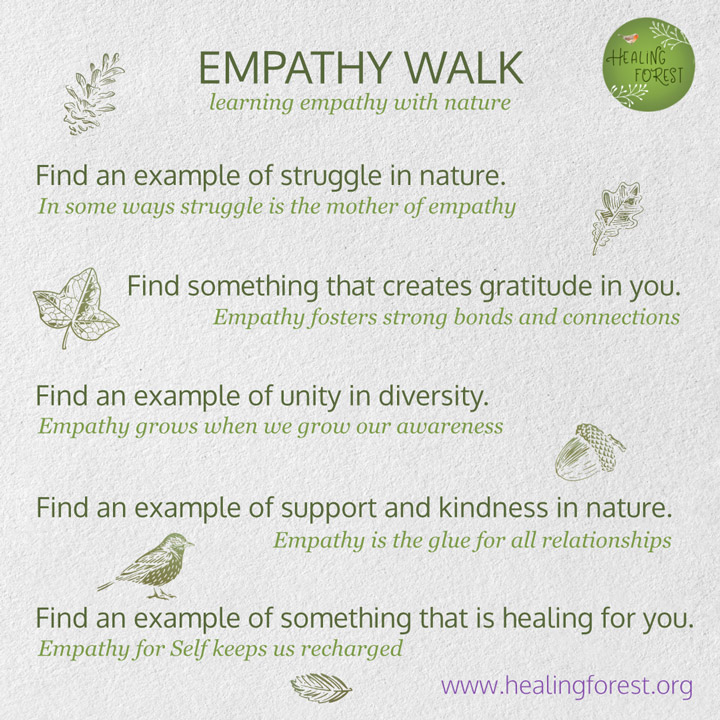
1. STRUGGLE: Find an example of struggle in nature.
From the moment we’re born, we need nurturing, human connection and empathy in order to survive. It’s simply a biological imperative. As mammals, it’s critical that we receive maternal care. This initial bond is so important that it continues to reverberate through our lives as we get older.
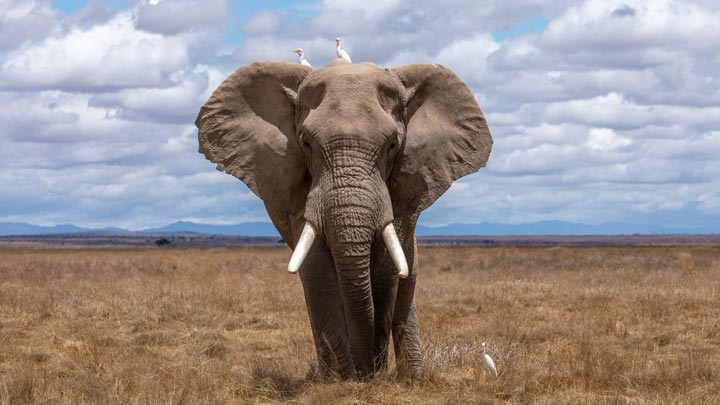
In many species, the eldest creatures in a community are responsible for showing younger members crucial skills for survival. A wonderful example of this can be seen in the African Elephants. The elephants in the savannah are led by the eldest females of the herd. They protect the young with their large tusks and tap their impressive memories to locate hidden watering holes. In larger groups of elephants, when one dies, its herd gathers together, gently touching trunks in what appears to be a grieving ritual.
Poachers hunting mature elephants leave many herds without any elder leadership. Scientists have observed that these packs with no grandparents are often less cohesive, more aggressive, and generally less able to thrive.
By observing different examples of struggle in nature, we can reflect on how in the journey of our own life, we have encountered different struggles. It is also a moment to observe that no life in nature is free from challenges and struggles. And in some ways we can say that struggle is the mother of empathy.
2. GRATITUDE: Find an example of something that creates gratitude in you.
While empathy is generally associated with feeling the other’s hurt or loss, it can be an equally powerful bond in expressions of fulfilment and gratitude. After a dry spell, when the first rain arrives the entire forest celebrates. Creating small moments of gratitude provides encouragement and support to move through difficult times.
The Work of the mature person is to carry grief in one hand and gratitude in the other and to be stretched large by them. How much sorrow can I hold? That’s how much gratitude I can give. If I carry only grief, I’ll bend toward cynicism and despair. If I only have gratitude, I may become saccharine and not develop much compassion for other people’s suffering. Grief keeps the heart fluid and soft, which helps make compassion possible.
~ Francis Weller
Imagine a mighty oak tree – how does it survive? It relies on soil and sunlight and also on other organisms. Deep underground, its roots are entangled with mycorrhizal fungi. The tree provides the fungi nutrients and in return, it receives essential elements like nitrogen and phosphorus. But the connections don’t end there. Through the rhizomatic network of fungi underground, a whole forest of trees can actually communicate with each other. Trees struggling to grow can send chemical signals asking for help and, through the fungi, thriving oaks can deliver needed nourishment.
Humans are not separate from this web of life. Trees emit antimicrobial compounds called phytoncides. Walk through the forest and you’ll inhale these beneficial compounds which can boost your immune system. This rich system of mutual support recalls the concept of ubuntu. This notion, from the Nguni people of southern Africa, describes how humans can only flourish through sharing and empathy. No one is truly a “rugged individual,” we only survive when we all care for each other.
3. INTERCONNECTEDNESS: Find an example of unity in diversity.
Hike through the unspoiled wilderness in the springtime and you’ll come upon an amazing sight. In the fertile valleys between the peaks are meadows brimming with wildflowers. Importantly, there’s not just one species. The colorful display can include many different species. In our wilderness, we find geraniums, buttercups, paintbrushes, bluebells, and dozens of other blossoms. Why such a wide array? Well, each has its own strength. If there’s a drought, those with deep roots will endure. If there’s a blight, those with immunity will pull through. The surviving species will in turn keep the ecosystem going until the others have a chance to recover when conditions change. Essentially, variety is nature’s safety net.
As humans we have the ability to extend our empathy to encompass a large variety of beings. By learning to expand our level of awareness and circle of observation we become aware of different people and creatures in our lives that may be in need.
Empathy also plays a role in cooperation. One needs to pay close attention to the activities and goals of others to cooperate effectively. A lioness needs to notice quickly when other lionesses go into hunting mode, so that she can join them and contribute to the pride’s success. A male chimpanzee needs to pay attention to his buddy’s rivalries and skirmishes with others so that he can help out whenever needed, thus ensuring the political success of their partnership. Effective cooperation requires being exquisitely in tune with the emotional states and goals of others.
4. KINDNESS: Find an example of support and kindness in nature.
Empathy helps to create more effective teams. As a whole, the team is only as strong as our weakest team member. When one of our team members faces a setback, it is important that the team works to reach out, support and care for them until they are ready to fly again. By supporting the weaker members, the teams set a culture of belonging and strong sense of community. The herd instinct plays a vital role in the bonding experienced by both humans and animals.
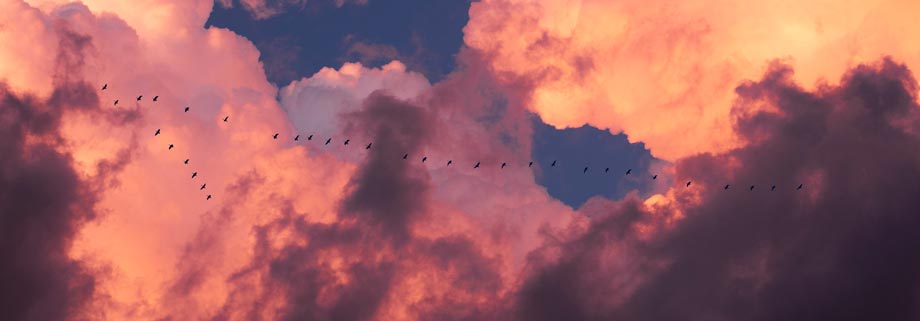
Empathy in action: If you look up at the birds flying in the sky, you might notice that many flocks fly in a V-shape formation. There is an interesting reason for this formation.
Flying takes a lot of energy. The strong flapping of wings creates an updraft in the air around the bird’s wingtips. Birds which fly slightly behind the first bird take advantage of this updraft and have to spend lesser energy to fly. When the leading bird gets tired, it drops back in formation and another bird moves to the front. For long migratory flights the youngest and weakest birds are put at the back of the V formation to make the flights easier for them. In fact, one study found that geese can increase their range by 70% on long migratory flights using this technique.
5. HEALING: Find an example of something that is healing for you.
Empaths are highly tuned in and sensitive to the emotions of others, they often have a natural ability to absorb emotional energies around them and transform them into more healthy, positive forms through their expression of love, compassion, forgiveness and understanding. Feeling other people’s pain and anguish compels us to alleviate it – not just for the other person, but also for ourselves, so that we no longer feel its torment.
This process of transformation is frequently exhausting and depleting for the empath. When we spend too much emotional, mental and physical energy while caring for someone else, it results in an empathy burn-out. During this experience, we tend to suddenly withdraw our attention and become dispirited towards the ones we care about the most. Under the weight of our own exhaustion, we feel numb or unaffected, emptied of all energy, vitality and feelings.
In order for us to preserve our capacity for empathy for others, we need to establish healthy boundaries for ourselves, so that we can continue to respond to the feelings of others without being engulfed by them.
AVOIDING EMPATHY FATIGUE
Some simple things to keep in mind are:
Set aside time to recharge yourself. During this time, you allow yourself to walk away from your caregiving task, and instead engage in activities of self-care that you find replenishing. An excellent idea is to go for a Healing Forest walk or try Forest Bathing.
Understand that you do not have all the answers. If you put on yourself the burden of having a solution to every problem that arises, you will burn out quickly. Be confident that you will help where you can, but when you don’t know how, that’s okay. Someone else can step in with those answers.
Tell yourself that whatever you are doing is good enough. You do not need to be great. An acceptance of your capacity and its limits is more healthy than setting up unrealistic expectations from yourself which lead to a sense of failure and guilt.
You might feel that setting boundaries for showing empathy may seem selfish. However, it is important to bear in mind that in wanting people to heal, ultimately we want to foster their ability to do so on their own. Setting boundaries while being lovingly available to the other helps not just in recovery but also in building their sense of self-reliance.
Empathy is one of the fundamental life skills that needs to be mastered in these complex times. In a world that is becoming increasingly interconnected, kindness helps us expand and grow our relationships. Empathy is also the lifeblood that helps us nurture and sustain those relationships.
The most important take-away from the nature walk is the fact that our empathy is not restricted to just other human beings. It has to expand itself to include other species and our environment as well. As technology advances, it is bringing different cultures closer in contact with each other. And the actions of humans are influencing our global environment at a remarkable pace. Last year, an intergovernmental panel of scientists said one million animal and plant species were now threatened with extinction. And global populations of mammals, birds, fish, amphibians and reptiles plunged by 68%, on average, between 1970 and 2016 (Source BBC).
Therefore, it has become critical to grow our levels of empathy as a community, as well as a species. Unless we focus on learning and teaching empathy and kindness through nature, we cannot hope to create a fruitful relationship with our future.
To get uplifting new ideas that help you grow in life, you can join our free newsletter.
Healing Forest is a volunteer driven project that aims to bring people and forests closer to each other through creativity and mindfulness. Our aim is simple. Helping people heal. Helping forests heal.
Request: Please share this post so it reaches those who might find it helpful.








 Healing Forest