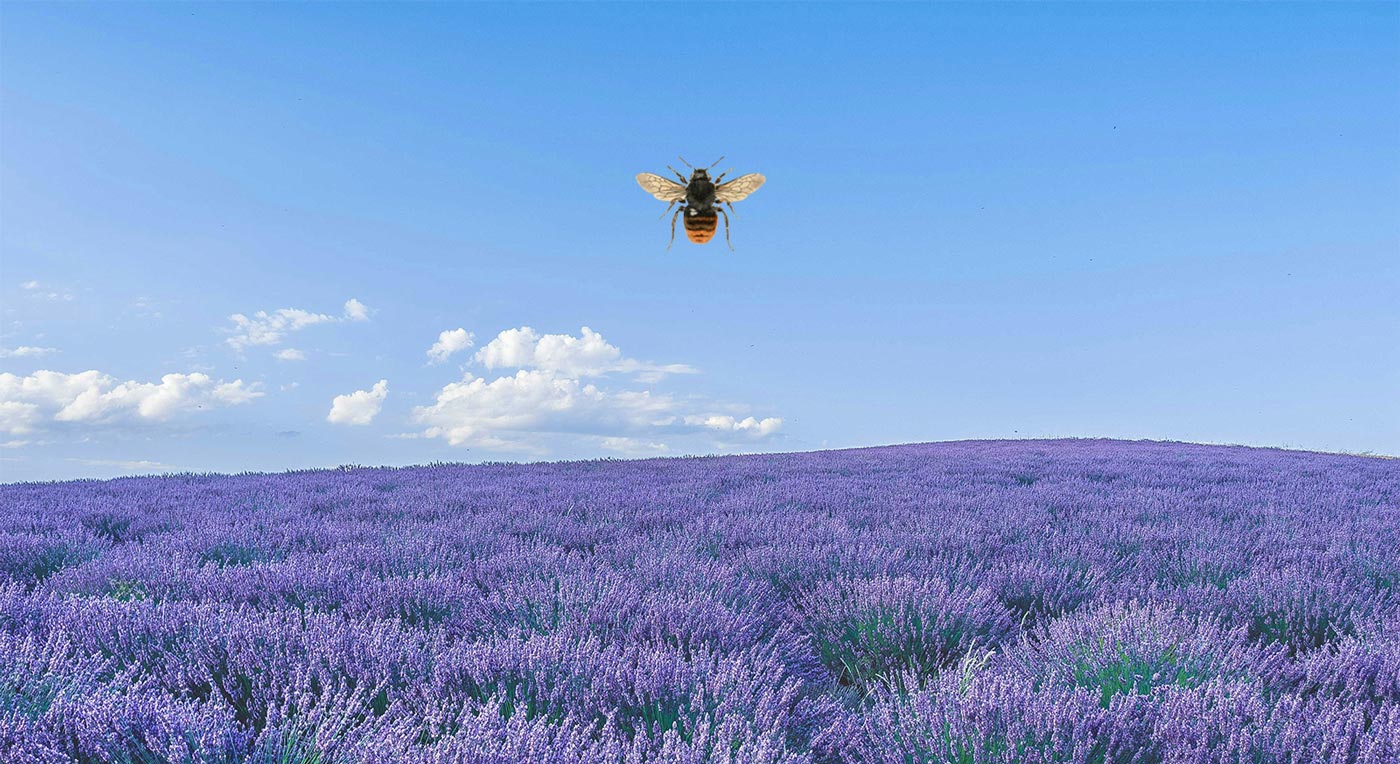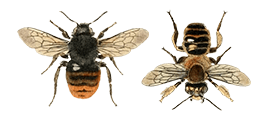
What can bees teach us about wellness and its 7 dimensions? For many people wellness is a word that only becomes important once they lose it. However, a simple understanding and small steps can go a long way in keeping our well-being intact. Bees are indicators of our planet’s wellness. Sadly, only a few understand their importance or the wisdom they hold. This article aims to change that. Discover some invaluable tips on wellness and its 7 dimensions from nature.

Wellness isn’t a destination—it’s a way of being, much like a gentle hum that carries through the seasons. It’s about tending to the garden of your life with patience and care, knowing that every small effort contributes to the whole. As it turns out, bees—those humble, golden architects of nature—have a thing or two to teach us about living well. From their tireless teamwork to their quiet moments of stillness, bees embody a harmony that speaks to all seven dimensions of wellness. So, let’s take a leaf—or perhaps a petal—from their book and explore how we, too, can create a balanced and thriving life.

*At the end of this post you’ll find a beautiful forest gift from the bees. There’s also an interesting contest with fascinating prizes to check out.

The seven dimensions—physical, emotional, intellectual, social, spiritual, environmental, and occupational—work together to create a fulfilling life. Here’s a useful collection of ideas and bee wisdom to help you achieve wellness in all seven dimensions.

Physical wellness is the art of caring for the body you’ve been gifted—a dance between movement, nourishment, and rest. It’s not about pushing yourself to the limit but about listening to your body’s whispers before they turn into shouts. Just like a well-tended garden, your body thrives when treated with kindness, consistency, and a little sunlight.

Bee Secret:
Bees are tiny powerhouses of productivity, but they don’t just work nonstop—they also know when to rest. A bee’s day is a blend of foraging, cleaning, and, yes, taking breaks. In fact, bees sleep between five to eight hours a day, often clinging to flowers or inside their hive. Imagine that—working hard but also allowing time for recovery. The lesson here is simple: balance effort with rest. Next time you’re tempted to skip a good night’s sleep or push through exhaustion, think like a bee—pause, recharge, and then return to your work with renewed energy.

7 Wellness Tips:

  • Go for regular walks in nature. Try forest bathing.
  • Practice gentle stretching or yoga to maintain flexibility.
  • Drink plenty of water throughout the day.
  • Get at least 7–8 hours of sleep each night.
  • Incorporate more whole foods—like fruits, vegetables, and grains—into your meals.
  • Take short breaks to move your body if you’re sitting for long periods.
  • Listen to your body’s signals—don’t ignore pain or fatigue.
~ John Muir

Emotional wellness is about tending to the garden within—nurturing feelings, processing thoughts, and allowing emotions to flow without judgment. It’s the gentle art of being kind to yourself, especially on days when life feels like a tangled mess of wildflowers and weeds. Embrace your feelings, water the roots of joy, and pull out the thorns of resentment with care.

Bee Secret:
Did you know that bees can experience stress too? When a hive gets overcrowded or food becomes scarce, bees become agitated and anxious. Yet they respond with remarkable calmness—working together to find solutions, whether it’s splitting the colony or seeking new foraging grounds. The insight here is to acknowledge stress rather than ignore it. Instead of buzzing around in frustration, pause and assess the situation. Sometimes, all it takes is a little teamwork or a change of environment to lighten the load.

7 Wellness Tips:

  • Practice mindfulness meditation to observe your thoughts without judgment.
  • Keep a journal to process and reflect on your feelings.
  • Allow yourself to feel emotions rather than suppressing them.
  • Talk to a friend or therapist when you’re feeling overwhelmed.
  • Practice self-compassion by speaking to yourself kindly.
  • Take deep breaths when feeling stressed to ground yourself.
  • Engage in activities that make you genuinely happy and relaxed.

Intellectual wellness means keeping your mind curious and engaged, much like a bee exploring a vast garden of possibilities. It’s not just about accumulating knowledge but finding joy in learning, problem-solving, and creativity. Just as flowers come in countless shapes and colors, so too do the ideas that nourish our minds.

Bee Secret:
Bees are brilliant problem-solvers. They can navigate vast distances, remember the location of flowers, and even communicate through intricate “waggle dances” to share information. The takeaway? Keep your mind buzzing with new challenges and experiences. Try something different—pick up a hobby, learn a new skill, or read a book outside your usual genre. Just as bees thrive on variety, so does your mind.

7 Wellness Tips:

  • Read books or articles on topics that intrigue you.
  • Take up a new hobby or learn a new skill—like painting, cooking, or coding.
  • Solve puzzles or play brain games to keep your mind sharp.
  • Join a class or workshop to expand your knowledge.
  • Write down new ideas and let your creativity flow.
  • Engage in meaningful conversations that challenge your perspective.
  • Keep a curious mindset and question assumptions.

Social wellness is about building connections that feel like sunlit meadows—warm, welcoming, and alive with the hum of companionship. Whether it’s family, friends, or a community of like-minded souls, nurturing relationships is like tending a hive—everyone contributes to the collective well-being.

Bee Secret:
A hive is a masterpiece of cooperation. Thousands of bees work in perfect harmony, each with a role—gathering nectar, caring for larvae, or guarding the entrance. They communicate with grace, supporting one another without fuss. Take a cue from their effortless teamwork: be present in your relationships, communicate openly, and show appreciation. A simple message, a shared laugh, or a moment of listening can strengthen the bonds that hold your hive together.

7 Wellness Tips:

  • Call or message a friend just to check in.
  • Plan a small gathering or nature meet-up with loved ones.
  • Join a local club or group based on your interests.
  • Practice active listening when others are speaking.
  • Offer help or support to someone in your community.
  • Share a meal or cook together with family or friends.
  • Show appreciation through small gestures—a compliment, a note, or a kind word.

Spiritual wellness is like finding the quiet hum within yourself—a sense of purpose, connection, and inner peace. It’s not necessarily about religion but about feeling grounded, grateful, and in tune with the world around you. Whether through meditation, prayer, nature walks, or simply being still, spiritual wellness invites you to listen to the soft murmur of your soul.

Bee Secret:
Bees have a remarkable sense of purpose. Every tiny bee knows its role, whether it’s foraging, guarding, or tending to the young. This collective purpose shapes the harmony of the hive. In the same way, when you find your own sense of purpose—whether it’s in your work, relationships, or personal growth—you’ll move through life with more clarity and peace. Take a moment to reflect on what truly matters to you and let that guide your path.

7 Wellness Tips:

  • Start your day with a simple gratitude practice.
  • Meditate or pray in a quiet, comfortable space.
  • Spend time in nature to feel connected to something larger.
  • Reflect on your core values and how they guide your actions.
  • Practice forgiveness—both towards yourself and others.
  • Create a space at home that feels calming and peaceful.
  • Volunteer for a cause that resonates with your heart.
~ Saint John Chrysostom

Environmental wellness is the art of respecting and nurturing the world you call home. It’s about living in harmony with nature—reducing waste, conserving resources, and appreciating the beauty around you. Just as bees pollinate flowers and help ecosystems flourish, we too can be gentle caretakers of the earth.

Bee Secret:
Bees are master environmentalists. As they buzz from flower to flower, they pollinate plants that sustain ecosystems and feed countless species. Without bees, much of our food supply would wither away. The lesson here is simple: do your bit to support the environment. Plant bee-friendly flowers, reduce plastic use, or support local conservation efforts. Small acts can make a big difference, just as each bee’s humble effort keeps entire fields blooming.

7 Wellness Tips:

  • Plant bee-friendly flowers in your garden or balcony.
  • Reduce waste by recycling and composting whenever possible.
  • Support local farms and buy sustainably produced goods.
  • Pick up litter in your community during walks.
  • Use reusable bags, bottles, and containers.
  • Save energy by turning off lights and unplugging devices.
  • Educate yourself about environmental issues and advocate for positive change.

Occupational wellness means finding fulfillment and balance in your work. Whether it’s a career, a hobby, or volunteering, it’s about doing something that aligns with your values and skills. Work shouldn’t just be about survival—it should nourish your spirit and give you a sense of pride and purpose.

Bee Secret:
Worker bees are some of nature’s most dedicated laborers, but they don’t stick to just one task. Throughout their lives, they switch roles—nurse, cleaner, forager, guard—adapting to the hive’s needs and their own growth. The insight here? Stay flexible and open to change in your work life. Sometimes shifting roles or learning new skills can reignite your passion and help you find a renewed sense of purpose.

7 Wellness Tips:

  • Set healthy boundaries to prevent burnout—say no when needed.
  • Take short, mindful breaks during your workday.
  • Find small ways to make your workspace more pleasant (like a plant or personal touch).
  • Seek opportunities for professional growth and skill-building.
  • Celebrate your achievements, no matter how small.
  • Communicate openly with colleagues and supervisors about your needs.
  • Try group mindfulness activities to create harmony at work.
Download link of wellness 7 dimensions at the end of this article.

In many ways, our own well-being mirrors the plight of the bees. Just as the hive suffers when bees are overworked, undernourished, or poisoned by their environment, we too falter when we neglect vital aspects of our wellness. We might pour all our energy into our careers while forgetting to nurture relationships or care for our bodies. Or we might focus on physical fitness while ignoring emotional or spiritual needs. Like a hive without harmony, our lives become chaotic and unbalanced.

The lesson from the bees is simple but profound: every dimension of wellness matters. Physical strength without emotional peace leaves us restless. Intellectual growth without social bonds makes us feel isolated. Spiritual purpose without practical grounding can seem hollow. Just as a hive thrives when every bee plays its part, we flourish when we give equal care to all aspects of our wellness.

Bees are more than just diligent pollinators—they are essential architects of life. Their tireless work sustains ecosystems, ensuring that flowers bloom and crops flourish. Yet, despite their quiet dedication, bees around the world are facing unprecedented threats: habitat loss, pesticide exposure, climate change, and disease. Colony collapse disorder has left hives empty and fields barren, reminding us just how fragile the balance of nature can be.

There are many steps each one of us can take to create a healthier planet. For this article we focus on one less known action that can have a far reaching impact. It lies in our ability to support our hard working bees.

Plant Bee-Friendly Flowers: A diverse garden with plants that bloom throughout different seasons ensures a steady food supply. Native plants are especially beneficial.

Avoid Pesticides & Chemicals: Opt for organic gardening methods instead of harmful pesticides and herbicides. If necessary, apply treatments early in the morning or late in the evening when bees are less active.

Provide a Fresh Water Source: Place a shallow dish with water and pebbles to give bees a safe place to drink. Refill regularly, especially in hot weather. Adding corks or stones to birdbaths prevents drowning.

Create a Bee Haven in Your Yard: Let part of your garden grow wild with clover, dandelions, and native plants. Set up a bee hotel for solitary bees or leave patches of bare earth for ground-nesting species.

Most Important – Pollinate Awareness: In the age of social media we are drowning in a sea of junk content. By sharing something useful and meaningful we can make a much needed change. The more people understand bees’ vital role, the more likely they are to take action.

Bee Well Contest

For a chance to win our fascinating collection of nature activities do this simple task.

Take a picture of your bee hotel or bee garden. Upload it on your own social media like X, or fb. Share the link with us in the comments section of this post along with your name and city.

At the end of April, we will choose 5 lucky entries and send them our special gift.

To get one inspiring article in your inbox at the start of every month, please join our free newsletter>> | Bonus: you can also access our older posts through the link.

just as bees are essential to the planet, our own well-being depends on nurturing every part of ourselves. When we live in balance, we don’t just survive—we thrive.

Here’s a free poster on the 7 dimensions of wellness for you to download and keep or share. In case you do share it, please give a link back to this post so it reaches where it’s needed. Thank you for your support. Bee well. 🐝

HEALING FOREST: is a mindful journey to reconnect people and forests with each other. Our aim is simple: Helping people heal. Helping forests heal.

The art of loving is a mystery that each one of us must solve for ourselves. As we wait for spring—the season of love—here’s an article to receive some wisdom on the art of loving from nature. We’ll also learn a few actionable steps for creating love, spreading love, and healing love where it’s broken.

If love had a classroom, nature would be the best teacher. From the jungles to the oceans, creatures great and small have been practicing the art of love long before humans even figured out how to text “Did you eat?” as a sign of affection. Birds dance, penguins propose with pebbles, and even fireflies light up the night in the name of love. While we humans complicate things with unread messages and overanalyzed emojis, nature keeps it simple: love is action, care, and a little bit of fun. So, let’s take some notes from our wild friends and learn how to bring more love into our world—one feather, pebble, or dance move at a time.

In a world that feels like it is become more angry, and intolerant, we need these small notes to remind us that in nature, love is all around us.

In the icy landscapes of Antarctica, where blizzards howl and the cold could freeze your morning coffee mid-air, penguins have mastered the art of romance. Instead of fancy dates or love letters, a male penguin expresses his devotion by presenting his beloved with a smooth, perfect pebble. If she accepts, they become partners for life. Simple, isn’t it? No grand speeches, no fireworks—just a tiny stone, full of meaning.

INSIGHT: Now, before you rush off to find a pebble for your significant other, consider the lesson here: love thrives in small, thoughtful gestures. A handwritten note, a cup of tea made just right, or even sending a meme at the perfect moment—these are the pebbles of human love. Forget the diamonds; sometimes, the right stone is enough.

ACTIONS: Focus on meaningful gestures over grand displays. Sometimes, a simple “thinking of you” can mean more than an expensive gift. Leave a small, thoughtful surprise for someone you love—a note, a favorite snack, or even a well-timed compliment.

On warm summer nights, fireflies put on a magical light show, each tiny glow a signal of love. Males flash their lights in a rhythmic dance, hoping to catch the attention of a special someone. If a female likes what she sees, she flashes back—love at first blink!

INSIGHT: Love isn’t about being the loudest or the biggest—it’s about shining in your own way. In human relationships, the most attractive thing isn’t wealth or perfection, but authenticity. When you let your true self glow, the right people will notice.

ACTIONS: Do something that lights you up—pursue a passion, laugh wholeheartedly, and radiate joy. Appreciate someone’s natural glow. A heartfelt compliment can brighten someone’s day.

Deep in the rainforests of Papua New Guinea, love isn’t whispered—it’s danced. Male birds of paradise, dressed in feathers that would put fashion designers to shame, perform elaborate dance routines to impress their mates. They fluff, twirl, and shimmy with all the flair of a Broadway star, hoping to win a lady’s heart. If the performance is good enough, love is in the air. If not… well, better luck next season.

INSIGHT: Love isn’t just about duty and routine—it’s about playfulness, joy, and expression. Sometimes, humans get so caught up in the seriousness of life that they forget to have fun. Adding a little dance (literal or metaphorical) to relationships keeps things fresh and exciting.

ACTIONS: Play your favorite song and have a silly dance-off with your loved one. No judgments, only laughter. Surprise your partner with a fun, unexpected gesture—be it a joke, a spontaneous hug, or an impromptu date.

*For those of you who love the outdoors, give our Nature Play activities a try and see what surprises come your way.

Otters are known for their adorable habit of holding hands while they sleep, so they don’t drift apart. In the unpredictable currents of life, they literally cling to each other, ensuring that no one floats away alone.

INSIGHT: Love is about staying connected, even when life gets busy or uncertain. A small act of reassurance—checking in, holding hands, or simply being present—can anchor a relationship.

ACTIONS: Reach out to someone you care about. In relationships, create small rituals that keep you connected—weekly calls, date nights, or the best option – walks in nature.

Dolphins are social, playful, and deeply connected to their pods. They call each other by unique whistles (basically names!) and maintain close friendships through constant communication. Whether through clicks, chirps, or body language, they make sure their loved ones feel seen and heard.

INSIGHT: Love isn’t just felt—it’s expressed through communication. Whether through words, gestures, or just listening, expressing care openly strengthens bonds.

ACTIONS: Tell someone you love them—not just on special occasions, but in everyday moments. Be an active listener. Instead of waiting to talk, truly hear what the other person is saying.

Despite their wild reputation, wolves are all about family and loyalty. They mate for life, raise their pups together, and care for their pack like a tight-knit team. In a wolf pack, everyone has a role—supporting, protecting, and sticking together through thick and thin.

INSIGHT: Love thrives on loyalty, teamwork, and showing up for each other. It’s not just about romance—it’s about having each other’s back, whether in friendship, family, or relationships.

ACTIONS: Show loyalty in small ways—keep your promises, be there when it matters, and listen with care. Strengthen your “pack.” Schedule quality time with loved ones, even if it’s just a simple meal together.

In the underwater world, seahorses have rewritten the rulebook on parenting. The males, not the females, carry the babies—literally. A seahorse dad nurtures his young in his pouch until they’re ready to swim on their own, proving that love is about shared responsibility, not assigned roles.

INSIGHT: Real love isn’t about who “should” do what—it’s about helping each other without keeping score. Whether in parenting, relationships, or friendships, supporting each other makes love stronger.

ACTIONS: Share the load. Offer to help with tasks, whether it’s cooking, planning, or just lending a hand. Appreciate acts of care—whether you’re giving or receiving, acknowledge the effort.

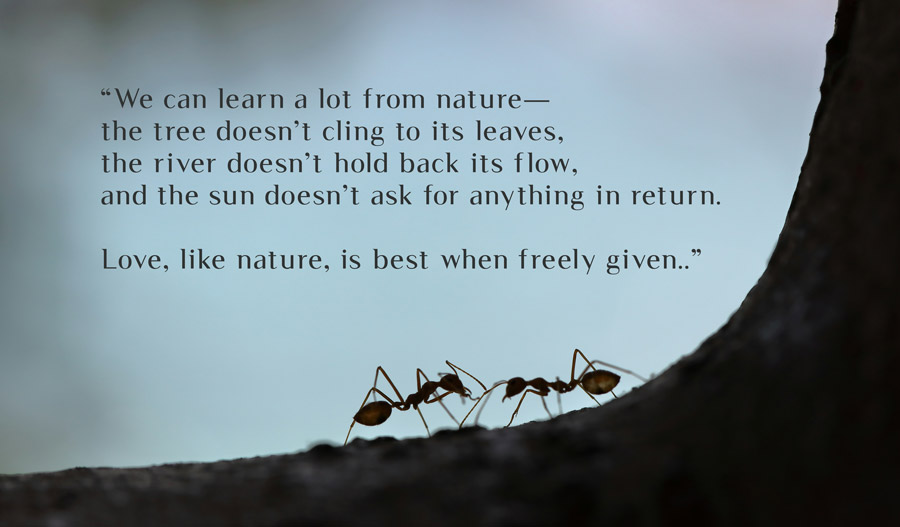
Ants may be small, but their dedication to helping each other is massive. If an ant finds food, it doesn’t keep it to itself—it calls for backup. If an ant is injured, others come to carry it home. Their love language? Acts of service.

INSIGHT: Love is not just a feeling; it’s something you do. Whether through kindness, support, or small acts of help, showing up for others makes a world of difference.

ACTIONS: Do a small act of kindness today—help a colleague, carry someone’s groceries, or offer a favor with no expectation in return. Recognize the love behind actions. Someone supporting you or fixing something for you? That’s love, too.

Pic by Maksim Shutov | Quote by Thich Nhat Hanh

Most us have to learn the art of loving the hard way – by making lots of mistakes. Many of us are still learning. It’s because for each of us the journey is unique, and the lessons are often not so easy to come by. Every day, the internet overflows with content that divides, provokes, and stirs up negativity. But love, much like nature, grows when shared.

If you found this post useful, please share it with people in your lives. If you are reading this article because someone sent it to you, know that you were in their thoughts. Lastly, if you can, do leave a comment to share what’s been your biggest learning on love?

To continue your journey of learning from nature, we recommend this article on mindfulness activities for groups, or check out our forest bathing guide. Connecting with nature is the best way to connect with yourself, as well as those you are close to.

Every month we share one inspiring article from nature. Join our free newsletter to get our monthly email and see older posts.

For more gifts, explore our collection of 150+ amazing activities to uplift your mind, body, and relationships. Nature Calm >>

WINTER HAS ARRIVED: As the world prepares for a new shift in power and the climate crisis advances at an alarming rate, a lot of people are bracing for tough times ahead. In nature, winter has always been a part of the cycles of seasons. It brings with it many unique gifts and lessons. Wintering is the art of surviving these tough times and thriving inspite of the challenges thrown at us. In this article you’ll learn some wonderful tips from nature and its myriad beings. Tips to transform these tough times into a season of personal growth.

~ Ralph Waldo Emerson

Mindfulness Practices and Ideas from Nature: Winter can be a hard season, not just in the world outside but in our hearts too. Yet, nature has so much to teach us about getting through tough times. From bears that rest through the cold, to squirrels that plan ahead, and even beavers dreaming of spring, every creature has its wisdom. In this article, we’ll share their stories and the lessons they offer—how to rest, play, connect, and keep hope alive. With simple tips and gentle practices, you’ll find ways to turn life’s winters into something softer and brighter. Come, let’s walk through this together.

*Don’t forget to collect your winter gift at the very end of this post.

Squirrels are nature’s ultimate planners. They spend months burying nuts and seeds in countless hiding spots, using their sharp memory and spatial skills to retrieve them when food is scarce in winter. Fun fact: squirrels don’t always remember every spot, leading to accidental tree planting when forgotten seeds sprout in the soil! This habit not only ensures their survival but also contributes to the environment. Their knack for preparation makes them resilient through even the harshest seasons.

INSIGHT: For humans, resilience comes from storing not food, but wisdom and inner strength. Journaling is a powerful way to “squirrel away” your thoughts, lessons, and reflections. Writing down your experiences and emotions helps you process them and builds a personal reservoir of wisdom to draw from during tough times. Research by the University of Texas at Austin shows that expressive writing can improve mood disorders, lower stress, and enhance overall well-being (source). Like a squirrel preparing for winter, journaling helps you prepare mentally and emotionally for challenges ahead.

Mindfulness Practice Idea: Journaling for Resilience

  1. Gratitude Notes: Write down three things you’re grateful for. They can be as simple as a good meal, a kind word, or a moment of peace. Gratitude shifts your focus toward positivity and abundance.
  2. Reflective Prompt: Try journaling with prompts like, “What did I learn from today?” or “What challenges am I overcoming?” This practice deepens self-awareness and helps you recognize your growth.

By nurturing your inner world through reflection and journaling, you build a mental storehouse of wisdom—ready to sustain you when life’s challenges arise.

Deer are social creatures that rely on their herd for safety and support, especially during winter. Herds provide protection from predators, as more eyes and ears mean a greater chance of spotting danger early. They also share warmth by huddling together and guide one another to food sources in tough conditions. Interestingly, deer herds are often matriarchal, led by experienced females who ensure the group’s survival through collective wisdom and cooperation.

INSIGHT: For humans, community serves a similar purpose—it offers support, protection, and a sense of belonging. Studies show that strong social connections can improve mental health, reduce stress, and even extend life expectancy. According to a report by Harvard, people with close-knit relationships are 50% more likely to live longer (source). In times of struggle, leaning on your community can provide the emotional warmth and practical help needed to navigate tough times. Whether it’s family, friends, or local groups, collective strength fosters resilience.

Mindfulness Practice Idea: Building Your Community

  1. Circle of Outreach: Take a moment to reach out to someone in your circle and express gratitude. A heartfelt message or a simple “thank you” strengthens bonds and uplifts both you and the other person.
  2. Joining Circles: Look for opportunities to connect with like-minded people, whether it’s joining a hobby group, volunteering, or even attending community events. These shared experiences foster a deeper sense of belonging.

Like deer in a herd, we thrive when we come together, pooling our strengths and resources to face life’s winters with courage and warmth.

Every year, millions of birds embark on epic migrations, traveling thousands of miles to find warmer climates and abundant food. The Arctic tern holds the world record, flying an astonishing 44,000 miles round trip between the Arctic and Antarctic. Birds use celestial cues, Earth’s magnetic field, and even the position of the sun to navigate these incredible distances. Migration isn’t just a journey—it’s a testament to adaptability and survival, as birds go where they must to thrive, no matter how far.

INSIGHT: For humans, movement—whether physical or mental—can be a powerful tool for coping with tough times. Changing your environment, even temporarily, can provide a fresh perspective and reset your emotional state. A study published in Nature Neuroscience revealed that physical activity, like walking or cycling, boosts the brain’s production of endorphins and supports emotional resilience (source). Whether it’s traveling to a new place or simply taking a long walk in your neighbourhood – preferably in nature, movement can help break mental stagnation and foster growth.

Mindfulness Practice Idea: A Journey Within

If physical travel isn’t an option, try an inner journey with this visualization exercise:

  1. Imagine a Path: Close your eyes and picture yourself walking on a path in nature. It could be a forest trail, a beach, or a mountain path. With each step, feel the ground beneath you, hear the sounds around you, and breathe in the fresh air.
  2. Set Intentions: As you walk along this imaginary path, think about what you’d like to leave behind and what you’d like to discover ahead. Let the imagery guide you toward clarity and peace.

Movement, whether physical or mental, reminds us that life, like migration, is a series of steps toward survival and renewal.

~ Haruki Murukami

The Arctic fox is a master of adaptation, growing a dense, fluffy coat to survive the freezing temperatures of the tundra. This winter fur, which can be nearly twice as thick as its summer coat, provides exceptional insulation, keeping the fox warm even in temperatures as low as -70°F. Its white winter coat also serves as camouflage against the snow, offering protection from predators. Interestingly, the Arctic fox’s fur changes color with the seasons, shifting to brown or gray in summer to blend with the environment.

INSIGHT: For humans, building inner resilience is like growing thicker fur—it protects us from negativity and external challenges. This “emotional insulation” comes from learning to detach from toxic influences and nurturing a positive inner dialogue. According to the American Psychological Association, cultivating resilience involves maintaining strong self-belief and practicing mindfulness to manage stress (source). By focusing on personal growth, setting healthy boundaries, and filtering out negativity, we can create a mental environment where we thrive, no matter the external conditions.

Mindfulness Practice Idea: Building Your Emotional Armor

  1. Filter Negative Thoughts: Imagine your mind as a sieve, allowing positive, helpful thoughts to pass through while catching and discarding unhelpful or negative ones. Try some ‘Mindfulness in Nature‘ activities from our site to befriend your mind.
  2. Strengthen Boundaries: Practice saying “no” to situations or people that drain your energy. Use simple phrases like, “I need some time to focus on myself,” or “I’m unable to help with that right now.” Protecting your energy is essential to maintaining your well-being.

Like the Arctic fox in winter, we can adapt to life’s storms by growing our own emotional “fur,” shielding ourselves with resilience and inner strength.

Rabbits are nature’s playful acrobats, known for their energetic hops, leaps, and dashes. They don’t just move to escape predators; they also play as a way to bond, explore, and stay alert. Have you ever seen a rabbit perform a “binky”? It’s a joyful leap where they twist in mid-air, often accompanied by a kick of the legs. This exuberance helps them build agility and strength while keeping their spirits high, even in challenging environments.

INSIGHT: For humans, staying active and embracing playfulness is equally vital for mental and physical health. Exercise not only strengthens the body but also boosts endorphins, lifting your mood and reducing stress. Research from the Mayo Clinic highlights that regular physical activity can help alleviate anxiety and depression (source). Playfulness, too, is a proven way to increase creativity and resilience. Engaging in light-hearted activities—whether dancing, playing a sport, or even laughing with friends—can recharge your spirit and improve your ability to cope with life’s challenges.

Mindfulness Practice Idea: Infusing Play into Your Day

  1. Movement with Joy: Try a playful form of exercise like dancing to your favorite music or skipping rope. Focus on how it feels, not how it looks—let your body move freely and enjoy the moment.
  2. Rekindle Childhood Fun: Spend 10 minutes doing something that used to bring you joy as a child, like doodling, playing with a pet, or even trying a game. Let this be a reminder that play isn’t just for kids—it’s for everyone.

Just like rabbits, we can navigate life’s challenges with a spring in our step and joy in our hearts, staying active to build strength and resilience. For parents and families we recommend our collection of 10 magical walks to learn life’s most useful skills.

Did you know that bears can sleep for months without eating, drinking, or even using the bathroom? During hibernation, their heart rate drops from about 50 beats per minute to as low as 8 beats per minute, and their body temperature slightly decreases. This metabolic magic allows them to conserve energy through the cold months when food is scarce. Astonishingly, despite their long winter sleep, bears emerge in spring with minimal muscle loss—nature’s own way of maintaining strength during prolonged rest.

INSIGHT: For humans, rest and sleep are just as vital, though we might not need months of it all at once! Sleep is essential for repairing tissues, strengthening the immune system, and processing emotions. Adults need 7-9 hours of sleep each night for optimal health. Chronic sleep deprivation, on the other hand, can increase the risk of heart disease, diabetes, and depression (CDC). Just like bears retreat to their dens to survive the harshest months, we can use rest as a tool to recover from life’s challenges and emerge stronger when the storm has passed.

Mindfulness Practice Idea: A Step Toward Better Sleep

To improve your sleep, try this simple mindfulness exercise before bed:

  1. Body Scan Meditation: Lie down in a comfortable position and close your eyes. Starting from your toes, bring your attention to each part of your body, moving upward slowly. Notice any tension or discomfort, and imagine it melting away with each breath.
  2. Breath Awareness: Focus on your breathing. Inhale deeply for a count of four, hold your breath for a count of four, and exhale for a count of six. Repeat this for a few minutes to calm your mind and signal your body that it’s time to rest.

Creating a pre-sleep routine that avoids screens and encourages relaxation, like reading or listening to soft music, can also make a big difference. According to a study by the National Sleep Foundation, those who maintain a consistent bedtime routine are more likely to enjoy restful sleep.

~ Christine Cane

Beavers are nature’s engineers, tirelessly building dams and lodges even in the coldest months. But did you know they also plan for the future in a unique way? Beavers mate in January and February so that their kits (young) are born in the spring, when conditions are ideal for them to grow and learn. By the time the weather warms, the kits are ready to watch and imitate their parents, quickly mastering the skills needed to build and thrive. This forward-thinking approach ensures that their families are always prepared for what’s ahead.

INSIGHT: Don’t get the wrong idea – we are not recommending that you start mating 😊. For humans, optimism is like the beaver’s preparation for spring—it’s about holding onto hope during tough times and taking steps to create a brighter future. Studies show that optimism is linked to better physical health, increased longevity, and greater resilience in the face of adversity (source). Dreaming of better days ahead and working toward them, even in small ways, can help us navigate challenges. Whether it’s setting goals, learning a new skill, or simply envisioning the life we want, optimism fuels our ability to persevere.

Mindfulness Practice Idea: Preparing for Your Spring

  1. Visualize Your Goals: Spend a few moments each day imagining the life you want to build. Picture it vividly, focusing on the details and emotions. Let this vision inspire small, actionable steps toward your goals.
  2. Celebrate Progress: Keep a “spring journal” where you record small wins and milestones, no matter how minor. This helps you stay motivated and reminds you that every effort is a step closer to brighter days.

Like the beaver dreaming of spring and building toward it, we can embrace optimism and take steady steps to create a future filled with hope and renewal.

Winter, in all its forms, is a season of quiet strength and hidden growth. From the hibernating bear to the playful rabbit, from the resilient Arctic fox to the ever-hopeful beaver, nature shows us how to endure and even thrive through life’s coldest days. By resting, preparing, connecting, and dreaming, we too can build our inner resilience and find warmth even in the harshest times. Remember, spring always follows winter, and within us lies the strength to welcome it.

* HEALING FOREST: Every month we share one inspiring article from nature. Join our free newsletter to get our monthly email and see older posts. Download the wintering poster as a gift from nature.

Could you please share this post, so it spreads a little warmth where its needed.


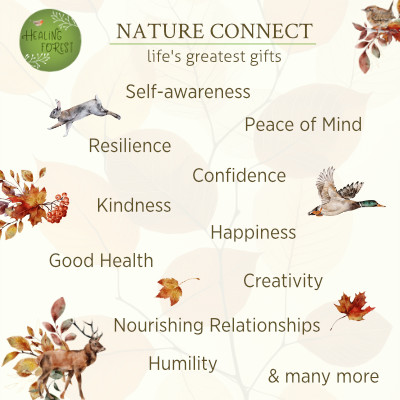
Life’s Greatest Gifts

Isn’t our life’s greatest gift having a healthy mind, a peaceful body, and a circle of nourishing friends?

Try our collection of 150+ amazing activities to uplift your mind, body and relationships.

Nature Calm >>