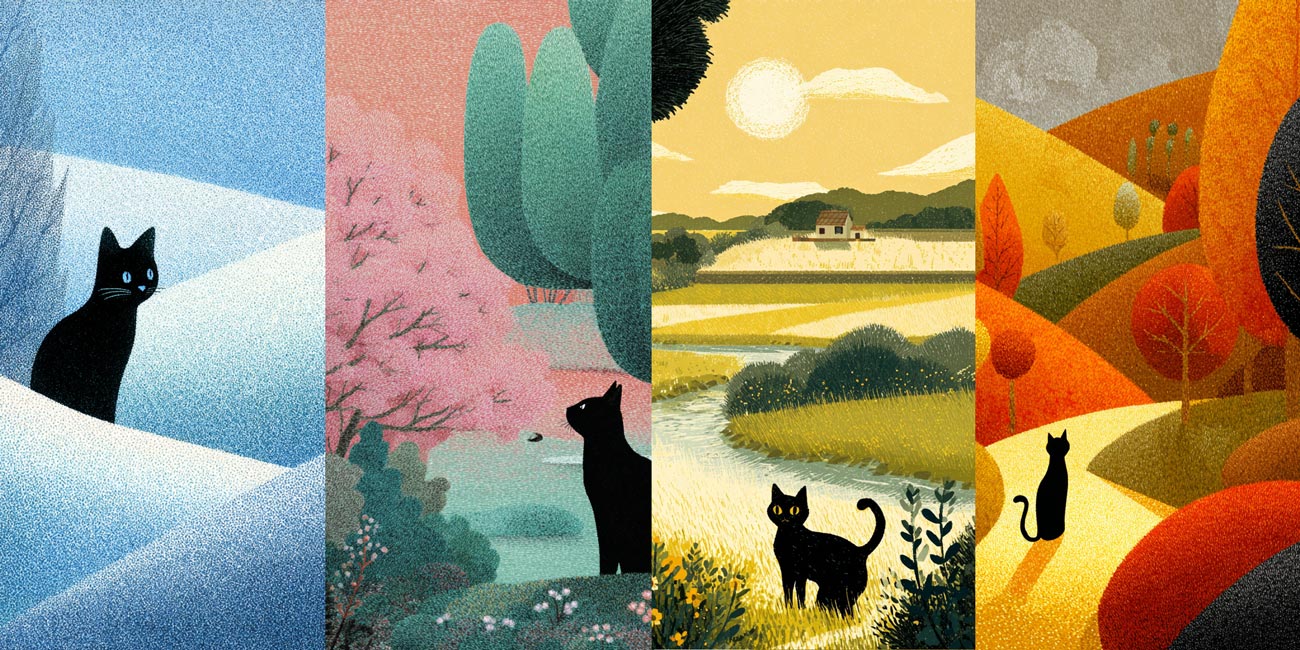
A Philosopher’s walk clears the mists of our mind, drives away the dark clouds and helps us find a path out of the brain fog.

There are days when life feels like a half-finished sentence. We move from one task to the next, one screen to another, gathering information but losing meaning. And then, we realise: we’ve forgotten to ask the big questions. Or maybe we’ve just been too busy to listen for the answers.

This is where the Philosopher’s Walk begins. This walk isn’t a race. There’s nothing to achieve. It’s simply a gentle invitation: to walk, to wonder, and to rediscover the art of reflection in good company, with nature as our guide.

The Philosopher’s walk helps you create a map of the most important things in your life. Amidst all the cloudy thoughts, it shines a light on what your core essence is. When the clouds get too heavy they shed their load as rain. Similarly, when our mind is too full, it helps to pour down our thoughts on paper.

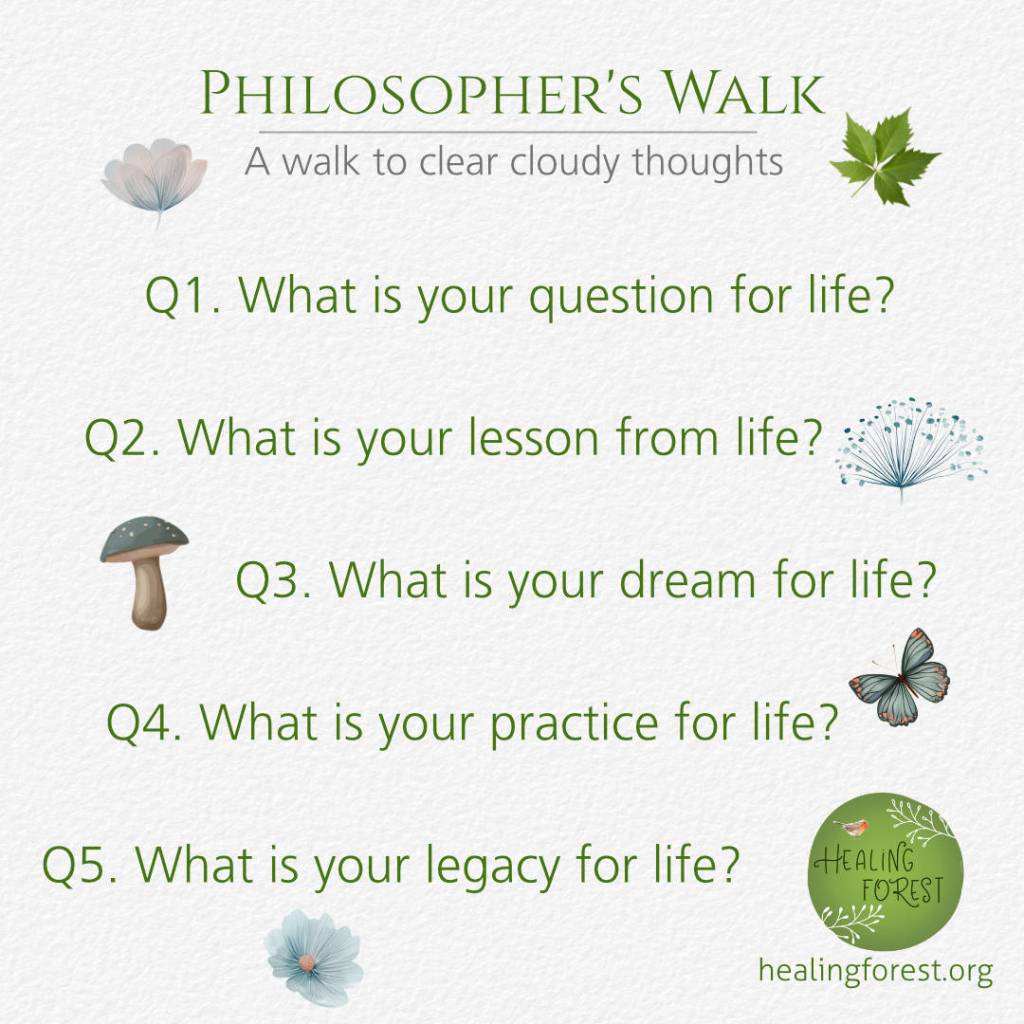
We will walk in five stages. At the beginning of each section, you’ll receive a question. Not the kind that demands a quick answer, but the kind that lingers in your mind. The questions serve as rays of light to guide us out of the stormy clouds. During the philosopher’s walk, you’ll stay with these questions, write what arises, and, if you like, share your reflections with others.

Here’s a calming 1 minute film from the mist mountains to get you in the right mood.

Bonus: At the end of each pause along the way is a window into the life of someone who once wandered among trees and came back with ideas that still speak to us. You’ll meet a few of these kindred nature philosophers as companions for the journey.

So take a breath. Take your time. And take a step. This is your Philosopher’s Walk.

What is the question that keeps showing up for you? Some people have a mission. Others have a calling. And some just have a persistent, quiet question that follows them through life.

Here are some examples that came up in our walks:

  • What does it mean to live well?
  • What is enough?
  • How do I stay true to myself?

You don’t need to find an answer today. Just find the question that refuses to leave you alone. Take this stretch of the walk to hold your question gently. Let it rise without forcing it. Write it down when it feels ready.

At the end of this section, you’re invited to share your question with others, if you like. Sometimes, someone else’s question sounds a lot like our own.

Philosopher’s Walk: A Walk with Thoreau

Henry David Thoreau once left the noise of the town of Concord behind and built a tiny cabin by Walden Pond. He didn’t go there to escape life, but to find it more fully. As he put it:

His question was simple but radical: Can a person live simply, purposefully, and still be free? He didn’t just ask it—he experimented with it. His days were filled with long walks, journaling, bean gardening, and birdwatching. He wasn’t trying to be productive. He was trying to be present.

Thoreau reminds us that a good question is a companion, not a problem to be solved. And the woods, it turns out, are a good place to ask quietly and listen deeply.

Life has probably taught you a few things, some kindly, some not. Maybe it came from a heartbreak. A long wait. A wrong turn. Or simply from sitting still long enough to notice something true. What is one lesson that life keeps teaching you?

Some reflections from our walk:

  • Things take the time they take.
  • Control is mostly an illusion.
  • Kindness is never wasted.

You don’t need to phrase it like a philosopher. Just write it the way it came to you.

During this stretch, walk with your memories. Notice what they’ve given you. Write down your learning, however it arrives. Share it if you feel ready. Sometimes, hearing someone else’s learning is the lesson we didn’t know we needed.

Philosopher’s Walk: A Walk with Mary Oliver

Poet Mary Oliver spent much of her life walking through woods and meadows, notebook in hand, dog sometimes at her side. Her learning was wrapped in noticing: a grasshopper cleaning its face, the curve of a shell, the hush of early morning.

She wrote:

Oliver teaches us that attention is the beginning of wisdom. We don’t always need to fix or figure things out. Sometimes, just noticing the world—gently, curiously—is enough to teach us how to live.

Not the kind you chase in your sleep. And not the one that was sold to you on a motivational poster. This is the deeper dream. The one that feels like it’s written somewhere under your ribs. What do you long for, when the world goes quiet?

Some inspiration from our own philosopher’s walk:

  • To live in peace, with enough time for the people you love.
  • To create something beautiful.
  • To be of service in a small, meaningful way.

You don’t need a five-year plan. Just listen for the direction your heart leans toward. During this part of the walk, let your imagination breathe. Let your mind wander, and notice where it wants to go. That’s your dream pointing the way.

Philosopher’s Walk: A Walk with John Muir

John Muir wasn’t a man who liked ceilings. He believed nature was not just a place to visit, it was home. He wandered the wilds of Yosemite and the High Sierras, writing, sketching, climbing trees in storms just to feel more alive. He once said:

But his dream wasn’t just personal. He dreamed of protecting wild places so others could feel what he felt. Thanks to his vision and activism, millions now walk through national parks he helped preserve.

Muir teaches us that a dream doesn’t have to be loud or famous, it just has to be alive. And if we walk with it long enough, it might even lead to something greater than ourselves.

*NOTE: Last month we covered a very innovative Money Walk. Check it out to see how you can improve your relationship with money and bring your dreams to life.

What small thing do you do—or could do—that keeps you steady, rooted, and awake to your own aliveness? It doesn’t have to be dramatic. Here’s what came up in our walk:

  • A morning cup of tea in silence.
  • A walk without my phone.
  • Saying thank you to the day before sleep.

These little rituals are not self-help. They’re self-remembering. As you walk this path, think about the practices that ground you. Or the ones you’ve forgotten but long to return to. Write down your practice, or the one you wish to begin. And if you feel brave, speak it aloud to someone walking beside you—it might help you remember to begin again tomorrow.

Philosopher’s Walk: A Walk with Satish Kumar

Satish Kumar once walked over 8,000 miles from India to the capitals of the nuclear world—on foot, with no money—as a pilgrimage for peace. A former Jain monk, he believes in the power of slow, intentional living. His core practices? Simplicity. Gratitude. Walking. He often says:

His life reminds us that practice isn’t always about adding more. Often, it’s about doing less, but with more love.

Fun Fact: In Kyoto, Japan, lined with cherry trees and soft reflections, there’s a quiet canal-side walk known as Philosopher’s Path. Named after philosophers Nishida Kitaro and Hajime Tanabe, who walked it daily on their way to Kyoto University, the path winds gently past temples and shrines. It’s not a long walk, just thirty minutes or so, but like all true walks of thought, its value isn’t in the distance, but in the stillness it invites. Even today, especially during cherry blossom season, people walk it not just to see the flowers, but to feel something settle within.

What is one sentence you’d like people to say about you when you are gone? This isn’t about achievement or fame. Legacy can be quiet, like a stone left gently on a path, or a story passed down at the dinner table. It’s about what lingers after you, and how your being shapes the world in small bits.

Some examples from our walk:

  • They made others feel safe to be themselves.
  • She lived with wonder.
  • He listened deeply.

What would you like to be remembered for? As you walk, picture the shape of your presence in the lives you’ve touched. How did your existence leave the place better? Kinder? More awake?

Take your time. Let your sentence find you. It may be unfinished. That’s okay—so are we, in the best possible way. When you’re ready, share it in a circle. Let others witness your hope for how you’ll be remembered. Often, that’s the beginning of remembering how to truly live it.

Philosopher’s Walk: A Walk with Wendell Berry

Wendell Berry was a farmer, poet, and essayist who never chased the spotlight. He stayed in his small Kentucky town, tending to land, words, and relationships with equal care. His legacy is not only in books but in how he lived: rooted, generous, deeply present. He writes:

Wendell Berry reminds us that a life well lived is its own legacy, measured not in noise, but in nourishment.
*For deeper reflections try our post on “Meditations with Nature“.

Philosophers walk

The Philosopher’s Walk is a walk back to reconnect with ourselves, each other and nature. In a world that often rushes us past what really matters, this slow, shared journey gives us time to breathe, reflect, and simply be.

As we move through the trees and questions, something quietly profound begins to happen. We realise we’re not alone in our longings or our doubts. We hear echoes of our own story in someone else’s words. We remember that wisdom is not a private achievement, but a collective unfolding.

Being in nature together softens us. It quiets the noise, lifts the spirit, and brings warmth to the spaces between us. Friendships are kindled. Insights are exchanged. And even the silence feels companionable. Most of all, the philosopher’s walk reminds us that life is not a problem to be solved, but a path to be walked, one thoughtful step at a time.

Healing Forest

The goal of Healing Forest is to create a calmer, healthier, kinder world, by reconnecting people with nature.

Find more interesting walks and activities here:
Nature Play Walks : For life’s most useful skills.
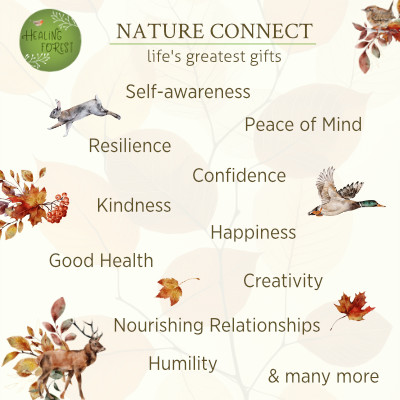
Nature Calm: For life’s greatest gifts.

Please do share this post where it’s needed.

To get useful new ideas and articles, join our free monthly newsletter.

When your mind is in a zoo, here’s a song to set you free. Our chaotic cities imprison us in cages disguised as cubicles, classrooms, cars, and captive screens. The web was meant to open the world for us, but even our phones have locked our attention into a small box. Is there a better way to live our life?

Only when you realize you are in a cage can you learn how to escape. Here’s a song to set you free. Keep this song with you as a memory. Whenever you hear it, you’ll remember. It’s time to free yourself.

Living in a city can be rough. If your head or heart is feeling trapped, you can always come home to the forest. There are many amazing gifts waiting for you to discover. Start your adventure with this article on the Japanese art of creating health and happiness with nature: FOREST BATHING

Also try our set of 10 magical walks to learn life’s most useful skills: Nature Play

Music connects cultures, but can it connect different worlds? I have used AI to create a music band with one animal from each continent (the penguins are still deciding.) The songs by Healing Forest band remind us to come back to the natural world, even if it is for a short while. We need nature in our lives.

Our forests need us too. Please download the song video and share it far and wide. Add this video to your social media presence and make a small difference. Feel free to use it as you please. (*A link back to our site would be deeply appreciated.)

WHY IS THIS USEFUL: Social media is filled with junk content, but when you create something meaningful they ask you to pay to promote it. This video was made to enable like-minded friends like you to add a little nature call into the digital world. Use it to remind people that there’s a wilder, freer world waiting just outside the cage.

~ Lyrics by
ND | healingforest.org

Lion song, was shot in Singapore. The name Singapore originates from the Malay word “Singapura” which translates as Lion City. The official mascot for Singapore is the Merlion, a mythical creature with the head of a lion and the body of a fish. Singapore is a beautiful, eco conscious place and is also known as the garden city. *This song is a reflection on the state of our human race and not an indicator of any particular country.

The birds and animals in the video are from Mandai Zoo and S.E.A Aquarium in Singapore. It features some extremely rare and endangered species. Some of the notable ones are: white cheeked gibbon, nicobar pigeon, and sea dragon. How many others can you spot?

The band members, and the hero our Lion song – Merlin (son of Merlion) were generated using Midjourney, KlingAI, and Runway ML. We used Suno to generate the song tune and it was put together using Davinci Resolve. Ai is enabling us to give a voice to these amazing wild creatures. Helping us tell uniques stories that can bring people back to nature.

Our small ‘Healing Forest’ band is getting ready to release more songs in the coming months. Leave a comment to let us know which topic you’d like us to make our next song on.

To find inspiring new nature stories, films, and activities you can check out our free monthly newsletter>>

What is a Money Walk? A money walk helps you understand the flow of money in your life, improves your relationship with it, and enables you to design a more fulfilling life.

Managing money is one of the most important life skills we need, but it’s also one of the least taught. Our education system, for all its formulas and facts, often skips over the everyday art of handling finances. Either the topic was skipped entirely, or wrapped in jargon so dense it made compound interest sound like a medical condition. No wonder so many of us stumble through earning, spending, and saving like lost tourists in unfamiliar lands.

But nature, as always, has a gentler way of teaching. Trees, in particular, have been quietly managing their resources for millions of years with patience, wisdom, and not a single spreadsheet. Perhaps it’s time we learned a few money lessons from the trees and gain all the forest bathing benefits while doing so. By the end of this post you should have a unique money map for your life.

* Also included in this article are 5 money rules that will uplift your brain’s money IQ, so you can make better money decisions.
** Collect a free money walk poster at the end of this post to help you with your own walk.

When we think of wealth, we often picture bank balances or shiny things behind glass. But at its core, wealth is simply energy—the ability to nourish, sustain, and enjoy life. A tree shows us this in its leaves. Each leaf quietly captures sunlight and turns it into food, not just for itself, but for the whole tree. The more healthy leaves a tree has, the more energy it gathers.

Likewise, our wealth, be it money, skills, or even time – is energy we can direct toward living well, supporting others, and growing stronger. The biggest learning is that our life-goal should not center around money, but rather around creating conditions that allow us to live a rich life.

🍁 Nature Activity: Leaf Ledger
Take a slow walk outside. Anywhere you can find trees or plants. Pick up a fallen leaf that catches your eye. Look closely at its shape, color, and veins. Ask yourself: Where does your energy come from? How do you “gather” wealth in your daily life? What are your personal “leaves”: the things that help you collect and store energy? If you like, press the leaf in a notebook and jot down your thoughts beside it. Over time, this can become your own quiet record of what wealth means to you.

A tree can’t grow without sunlight above. The sun brings light, warmth, and the spark to grow. In the same way, wealth doesn’t come from thin air. It begins with ideas and knowledge. Growing the right ideas about creating, and managing your wealth is the first step for creating a brighter future. And like sunshine, wisdom often arrives quietly but changes everything.

Wealth begins when we notice, imagine, and create. When we turn everyday moments into something meaningful.

🌞 Nature Activity: Sun Walk
Find a sunny spot where something is growing—grass, a tree, or even a crack in the pavement with a brave weed. Sit or stand for a few minutes and observe. Touch the soil if you can. Ask yourself: What ideas have taken root in me? What kind of sunlight: support, motivation, learning – helps me grow? Let the answers come gently, like sun filtering through leaves.

*For the days when your mind is cloudy, check out our Philosopher’s Walk – A path to clear away the mind mist.

A tree might have perfect sunlight, but if it’s rooted in poor soil or rarely watered, it won’t grow far. Soil provides the foundation that’s rich with minerals, and memory. Water brings daily nourishment. Neither shows off, but both quietly decide the fate of the tree.

In the same way, our values are the soil in which our money habits grow. What do you believe money is for? What matters most to you? And your habits: how you earn, spend, and save – are like water. A little consistency goes a long way; a flood or a drought can do more harm than good. Together, they shape your entire financial future.

🌱 Nature Activity: Soil Check
Find a patch of earth, in your garden, or a potted plant, or even a wild path. Touch the soil. Is it soft? Dry? Crumbly? As you do, ask yourself: What beliefs about money am I rooted in? Are they helping me grow? Then pour a little water gently over the soil. A small, steady habitvcan change everything over time.

Pay Yourself First Rule
Before rent, bills, subscriptions, or anything else, set aside money for yourself. Savings comes first, not last. Even if it’s just a small chunk, the idea is to treat saving like a non-negotiable bill. It flips the script from “I’ll save what’s left” (aka nothing) to “I’ve already handled my future self.” It’s a mindset shift that turns saving from a guilt trip into a habit.

Trees can look into the future. Come winter, they slow down, let go of their leaves, and conserve their energy. It’s not laziness – it’s wisdom. They’re budgeting their resources to survive and thrive through changing seasons.

Managing money works the same way. A good budget isn’t about restriction, it’s about rhythm. Knowing when to spend, when to save, and when to simply pause. Budgeting helps you prepare for winters, so you’re not out there shivering in your financial shorts.

🍂 Nature Activity: Letting Go List
Take a quiet moment with a notepad and sit near a tree, especially one that’s shed its leaves. Write down a few expenses, or habits, that you might be ready to release. Just like trees let go of what they no longer need, you can too. Lighter branches grow better in spring.

The 50/30/20 Rule for Budgeting:
This one’s the classic “how to budget” rule. You split your monthly earning into 50% for needs, 30% for wants, and 20% for saving or paying off debt. It forces you to actually look at where your money’s going instead of just wondering why it vanished. It’s budgeting for people who normally avoid budgeting or find it too complex.

Walk into a forest and you’ll notice no two trees are exactly the same. Some are tall and straight, others are wild and knotty. That’s no accident. Diversity is the forest’s survival strategy. A diverse forest is more resilient to pests, storms, and sudden change.

The same applies to your money. Don’t plant your entire financial future in one tree. Spread your resources across different places. There are many options to choose – savings, investments, property, maybe even that slightly weird idea you believe in. It works a lot better in the long run.

🌲 Nature Activity: Forest Eyes
Next time you’re in a park or wooded area, look around and count how many different types of trees or plants you can spot. Some grow tall, some spread wide, some bloom only briefly. Let this remind you: variety isn’t clutter—it’s protection. What does your “financial forest” look like? What are the different sources you can invest your money in?

The 3-to-6-Month Emergency Fund Rule
Having 3 to 6 months’ worth of expenses saved is like giving yourself financial armour. When life throws curveballs like job loss, medical bills, your car deciding it hates you—you’re not immediately spiralling. It gives you breathing room, better sleep, and way less panic. Most people treat money like it’s unpredictable chaos; this is how you build a little order into the madness.

Did you know that older trees produce more wood than their younger counterparts. If you walk through a forest, you’ll notice that older trees are often the largest, the strongest, and the most generous with their shade. They grew ring by ring, season by season, adding strength a little at a time.

Wealth, too, grows with time. Not just through earning, but through patience, consistency, and the magic of compounding. The longer your money is allowed to grow, without being uprooted or chopped down by impulse—the stronger it becomes. Time doesn’t just pass; it builds. When you invest in something, your wealth will grow exponentially, if your follow the law of compounding (A detailed explanation by the independent news media)

🌳 Nature Activity: Tree Rings of Time
Find an old tree, one with a thick trunk, knotted bark, and a story to tell. Stand quietly with it for a few minutes. Imagine the rings hidden inside, each marking a year of quiet growth. Ask yourself: What am I growing slowly, day by day? Where am I rushing where I could be rooting?

The Rule of 72
This is like a math trick that makes you feel kind of powerful. To see how long it takes your money to double, you take the number 72 and divide it by the return rate your savings get each year. So, a 6% return? That’s 72 ÷ 6 = 12 years. Pretty cool, right? It works in reverse too. If you’re paying 18% interest on a credit card, your debt doubles in 72 ÷ 18 = 4; just four years! Suddenly, avoiding unpaid credit card bills becomes a priority, for getting rid of that interest monster will save your life!

Beneath every tall, steady tree is a hidden world of roots, quietly anchoring, connecting, and nourishing. Some roots go deep, others stretch out wide, intertwining with neighboring trees. In forests, trees even share nutrients through underground networks, supporting each other in times of stress.

Wealth may seem like a solitary pursuit, but it’s relationships that strengthen it. Trusted friendships, wise mentors, a supportive family, a good financial advisor, even community ties form the invisible root system that keeps us grounded, especially during life’s storms. Wealth without connection is fragile. But when held within a network, it becomes resilient.

🌳 Nature Activity: Root Reach
Sit near a tree and place your hand on the ground near its base. You can’t see the roots, but you know they’re there. Take a moment to think about the people who keep you steady. Who supports your growth? Who do you quietly support? Write down one relationship you’d like to strengthen this week. Then, like a root reaching out, do something small to nurture it.

* To cultivate deep relationships, and learn life’s most useful skills through nature, check out our set of 10 magical walks here >> Nature Play Walks

The purpose of a tree isn’t just to grow tall. It is also to bear fruit and spread its seeds. The magic of fruit lies not just in its sweetness, but in its sharing. Birds, animals, even passersby enjoy the gifts of the tree. And tucked inside each fruit is a seed, something that carries the tree’s story forward.

In the same way, wealth is best enjoyed when it’s shared. Not in grand gestures, but in acts of service, generosity, and joy. A meal cooked for a friend, a donation that lifts someone, a skill passed on freely. These are the fruits of a well-lived financial life. When we give from a place of enough, we scatter seeds that might grow long after we’re gone.

🍎 Nature Activity: Fruit and Seed
Find a piece of fruit you enjoy—an apple, a mango, anything in season. Eat it slowly, mindfully. Notice the flavour, the texture, the pleasure of it. Then hold the seed in your hand. Ask yourself: What am I sharing with others? What small seed of joy, knowledge, or help can I pass on this week? If it feels right, give something today, no matter how small.

The ‘300’ Rule for How much is enough.
This one’s a retirement shortcut that feels suspiciously simple. Just multiply your monthly living cost by 300, and you will know how much you need to retire for life. If you need $1,000 a month, you’ll require $300,000 saved to keep affording that lifestyle forever. It’s a good way to get real about what future you is actually going to need.

The ideas in this article are best learnt through a short forest walk. Find any space which has nice trees, and carry a pen and notebook with you. Divide the money walk into small sections. As you walk, take time to reflect on questions from one nature connection activity. After 5-10 minutes, journal your thoughts on paper. Move on to the next question and continue your walk.

At the end of the walk each participant will end up with a money map of their life, that is uniquely personal to them. This walk is equally useful for adults, teens and younger audiences. Close your walk with sharing of important insights in small groups of 5 or less.

Money Map

Here’s a money walk poster that summarises the wealth tips from trees.

Download link to money map poster given below

When you do this walk with friends or family, it also helps you create new insights about their connection with money. We hope this article gets you out of the classroom and into the forest, so you can learn directly from the trees.

What other lessons on wealth have you learnt from Nature? Please add your thoughts in the comments section. Every month we share one inspiring article from the forest. Join our free newsletter to receive it in your inbox.

Please do share this post, so it reaches where it’s needed.

What next?

Money trees

Our goal is to reconnect people and forests so they can heal each other.

Find more interesting activities here:
Nature Play Walks : For life’s most useful skills.
Nature Calm: For life’s greatest gifts.

Download the money map poster here>>.