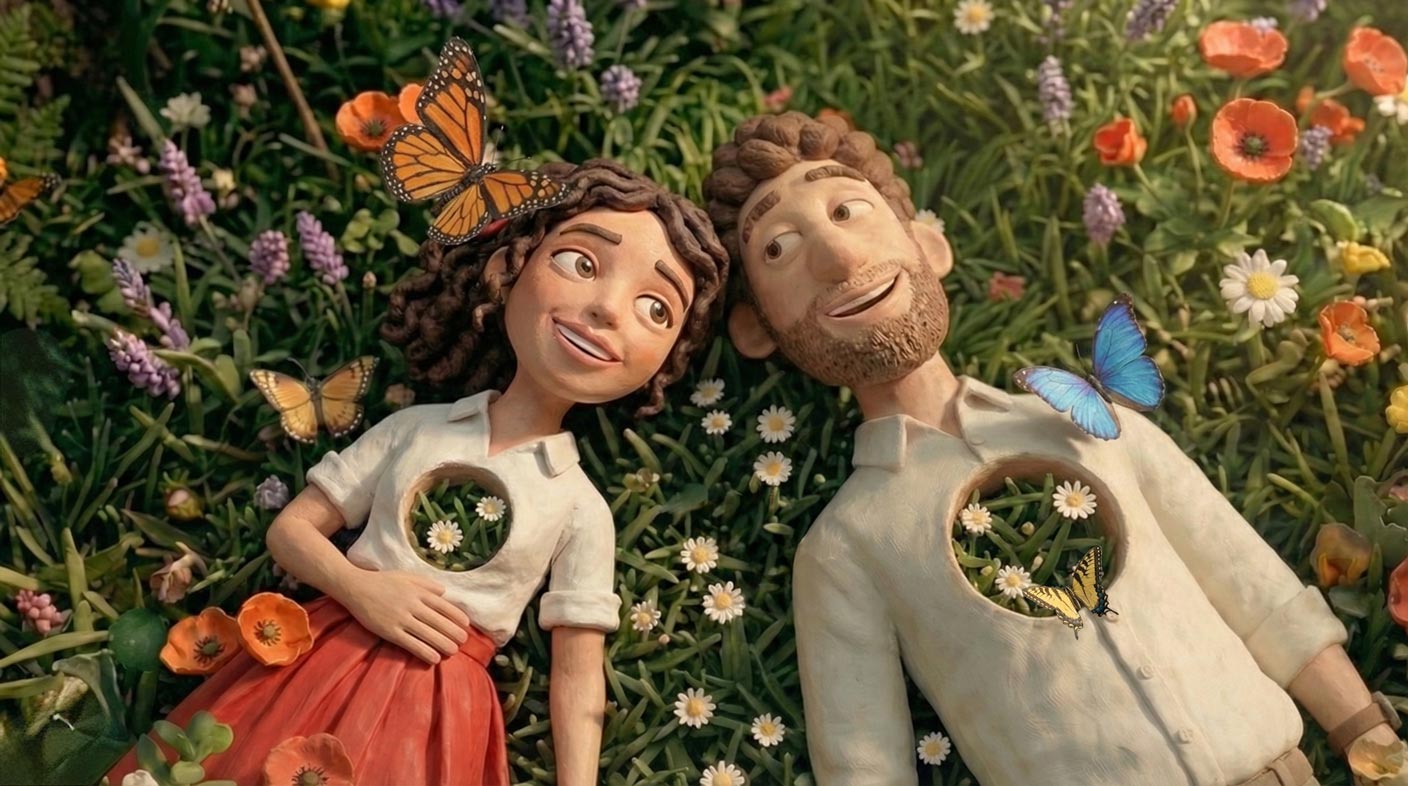
In life, we rarely get the luxury of choosing everyone we work or live with. Whether it’s colleagues in an office, neighbours in a community project, or even the wonderfully mismatched members of our own families, we constantly find ourselves navigating different personalities, expectations, and ways of doing things. Strong teams (at home or at work) are shaped through patience, shared moments, and a willingness to understand one another. And sometimes, the simplest experiences can teach us the most about how to do that together.

In this article, we take Nature’s help to try some creative team building activities. Unlike the traditional methods, the trees don’t ask us to participate in trust falls, and the birds don’t hand out personality quizzes; instead, the forest invites us to slow down, breathe, and actually notice one another. We’ll also add a sense of play, armed with nothing more than imagination and a good stick. Suddenly the whole idea of building a great team becomes not only possible, but surprisingly joyful.

Before any grand task or clever challenge, invite the group to take a quiet walk and choose a single twig that somehow feels like it represents them. It doesn’t need to be the straightest, strongest, or prettiest—just one that calls to them in some small, familiar way.

When everyone gathers again, have the group sit in a circle. One by one, each person holds up their twig and shares why they chose it. This simple act becomes a quiet doorway into understanding. People reveal tiny stories about themselves. Just honest glimpses that help the group see one another with a little more warmth and curiosity. It’s a soft, playful beginning that reminds everyone: before we become a team, we are human beings meeting each other for the first time.

With everyone still holding their chosen twig, invite each person to imagine it becoming something entirely new: a flute, a wand, a flying broom, a tiny fishing rod, anything at all. One at a time, participants act out their twig’s new identity without naming it, while the rest of the group tries to guess what it has become.

It’s a light, joyful exercise that sparks creativity and loosens the atmosphere. People laugh, relax, and slip easily into play. In these small moments of imagination, you can feel the group beginning to soften toward one another, reminding us that shared fun is often the quickest path to connection.

Metaphorically, it is also nice to reflect how each one of us takes on different roles in life based on our skills, but at the heart of it we all are alike, just like the twigs.

Invite everyone to place their twigs in the center, one at a time, without speaking. Each new twig should gently respond to the one before it. Add a line, a curve, or a small gesture that lets the artwork grow naturally. No planning, no pointing, no whispers. Just quiet attention and the slow unfolding of something shared.

When the final twig is placed, take a step back together. Ask the group what they see. A river? A bird? A doorway? The beauty is that no one knows until the circle decides. This simple, wordless collaboration builds trust and shows how creativity can emerge peacefully, even when no one is leading.

Scatter the group in small teams through the area to gather twigs of different lengths: thin ones, sturdy ones, a few odd, knobbly characters. Then challenge them to build a pyramid that grows wider as it rises, instead of narrowing at the top. It sounds simple until everyone realizes that upside-down ideas don’t behave quite the way we expect.

Working together, the teams experiment, adjust, and try again. Pieces fall; new ideas rise. There’s quiet focus, shared laughter, and the steady rhythm of many hands building one playful structure. By the time the wobbly creation finally stands, the group has already learned the real lesson: creating a stable structure requires the support of each other.

Create teams of 4 and make two pairs in each team. The two pairs stand at opposite ends of a pitch facing each other. Give the starting pair a single twig. The task is simple but wonderfully tricky: the two partners must balance the twig between their index fingers as they walk together toward the far end of the field. No gripping, no pinching, just gentle pressure and shared steadiness.

Once they reach the end, they carefully pass the balancing twig to the next pair, who then continue the relay. They can only use the index fingers to pass the twig. The whole group moves in a slow, wobbling chain of concentration and quiet laughter. The activity shows how two people can move as one when they pay attention to each other and support the other to hold their part of the balance. It’s a small lesson in harmony.

For the final activity, gather the group around a heavier object. It could be a small log, a flat stone, anything solid enough to feel like a shared challenge. Each team collects a handful of twigs and must work together to lift or shift the object using only those twigs, without letting their hands touch it directly.

At first it looks impossible. The twigs wobble, people overcorrect, someone laughs too hard and everything drops. But slowly, the team finds a steady rhythm. They adjust their angles, and begin to move with a shared sense of purpose.

When the object finally rises (even if only a few inches) it feels like a tiny triumph born of cooperation. In that moment, you can see how a small group of people, using nothing more than twigs and patience, can achieve something they couldn’t do alone. And that, in its humble way, is the heart of team building.

Close the session with 10 minutes of solo time in nature. Participants take a few minutes to reflect on the key learnings from this team building session. Post the nature time everyone stands in a circle to share their insights, so that individual learning can become the collective’s learning.

In the end, it’s rather wonderful how much a simple twig can teach us. Here we are, complicated modern humans with phones that can photograph the moon, and yet a small stick on a forest floor still manages to deliver life lessons with more grace than most self-help books.

Out in nature, the world becomes delightfully uncomplicated. Our minds unwind, our bodies remember how to breathe properly, and even the grumpiest among us begins to look a little less like a clenched fist. And when we carry that calmer, lighter spirit back to our teams o families, we discover that good teamwork doesn’t always require grand strategies. Sometimes it just starts with stepping outside, paying attention, and letting a humble twig show us how to get along.

Healing Forest

Healing Forest is creating a calmer, healthier, kinder world by reconnecting people with nature.

Find more interesting walks and activities here:
Nature Calm: 150+ ways to a calm life.
Nature Play : 10 walks for life’s best skills.

Our free newsletter sends new ideas to your inbox at the start of every month.

Often we find ourselves caught in endless life-loops of waking – working – sleeping. Our days begin to feel mechanical and jaded. The comfort of routine makes us forget that within us lives the power of inner transformation. The ability to change, to shed old skins, and to create something unexpectedly beautiful has never left us. It is just waiting for a little space, a little pause, and some creative spark.

Let us introduce you to the wonderful concept of nature writing with butterflies. The activity is more about the inner caterpillar than the butterflies outside. However, we will draw learning from the life cycle of butterflies and the wisdom they hold. By the end of this article, each one of you should have your own personal words of inspiration that can bring about a monumental shift.

Inner Change

Positive inner transformation follows a simple flow: first, notice your thoughts, habits, and emotions without judgment. Then, acquire the tools and resources you need for inner change. Next, take deliberate, mindful actions to nurture the changes you wish to see. Finally, integrate these shifts into your daily life, allowing your inner growth to become a natural part of who you are.

Nature writing allows you to tap the nourishment and inspiration you need from nature. We use creative writing to make observations as well as inner reflections that take us on a journey of inner change.

Find any comfortable nature space close to you. Carry your journal to collect your thoughts. Parks are nice, but forest walks have a few added advantages. Walk slowly, and find things which bring awe, wonder, and peace. Think less, feel more. The focus is on cultivating mindfulness in nature.

The restorative effects of nature begin once you start to relax and move your attention from inner thoughts to the outer surroundings. Take about 15 minutes for each nature writing prompt given below. Intersperse them with gentle walks to explore new places that call out to you. The closing – inner butterfly – section is the most important one.

A butterfly walk is not really about chasing butterflies. In fact, if you try to chase them, they’ll make sure you get a good bit of exercise and very little company. This walk is more about slowing down and noticing what the quiet inside is trying to say.

Learning to sharpen our senses is the first step to learning from life. Spotting a butterfly’s egg is very difficult, but try and look under leaves of common flowering plants. From the quiet beginning of a minuscule egg, everything unfolds. Nature seems to whisper: life doesn’t always start with a grand entrance. Sometimes it begins with something so tiny, you’d miss it unless you slowed down long enough to notice.

Insight
Like the egg, our days are filled with small beginnings. A single deep breath, a patch of sunlight on the grass, or the sound of a bird calling in the distance. Each awareness is an invitation to awaken our senses. We don’t need to wait for big moments to transform us. Beauty often comes softly, in unnoticed places.

Meditative Prompt
Pause on your walk. Take three slow breaths. Let your eyes settle on one small detail around you: a leaf, a stone, or a drifting cloud. Write a few simple lines about what you see and how it makes you feel. Don’t worry about rhyme or polish. Just let your words be as they are, like an egg resting quietly on a leaf.

“And the day came when the risk to remain tight in a bud was more painful than the risk it took to blossom.”

~ Anaïs Nin

The caterpillar is a tireless eater. From the moment it hatches, it devotes itself to nibbling leaves, growing fatter by the hour. To watch one is to be reminded that growth often looks ordinary, even clumsy. Just like a little creature munching away in the sunlight. And yet, every bite is a quiet preparation for wings.

Insight
As humans, we often hurry past this stage in ourselves. We want the wings, the flight, the freedom but we often forget that transformation begins with simple, steady steps. Like the caterpillar, we need to allow ourselves to take in the nourishment around us: kind words, a walk in the park, a moment of stillness. These are not small things. They are what help us grow into who we are becoming.

Meditative Prompt
On your walk, notice what “feeds” your heart. Observe, what aspects of your surrounding are you most drawn to. It could be the rustle of trees, a butterfly passing by, or the laughter of children in the distance. Jot down a few lines on what nourishes your spirit and gives it strength.

The caterpillar one day stops eating, finds a quiet branch, and wraps itself into a pupa. From the outside, nothing seems to happen. But inside, a great change is taking place. The old form is melting away so something new can be born. It is one of nature’s greatest turning points, hidden in plain sight.

Insight
Our lives, too, carry these pupal moments. Times when the old ways no longer fit, and yet the new shape has not appeared. It can feel confusing, uncomfortable, even lonely. But the stillness is not emptiness. The turning points of our lives often look quiet on the outside, but within, they hold the seeds of transformation.

Meditative Prompt
Think of a turning point in your life (small or big) that shaped who you are today. As you walk, let the memory sit gently with you. Next think of the new turning point that you wish to create for your life. What steps would you need to make it happen? Without judgment, write a few lines as if you were inside the pupa: waiting, dissolving, and slowly becoming something new.

“What the caterpillar calls the end of the world, the master calls a butterfly.”

~ Richard Bach

From the quiet shell, the butterfly emerges. At first it is fragile, trembling, wings still damp. It waits in patience, letting the sun and air give strength. And then, suddenly, it opens its wings and takes flight. The meadow seems brighter for its presence. What was once crawling is now soaring.

Insight
There comes a time in each life when we begin to live more fully. Not perfect, not without stumbles, but with a sense of lightness. Like something in us has opened. The butterfly reminds us that we don’t have to rush this becoming. Transformation asks only that we honour the process, and when the time is right, spread our wings with trust.

Meditative Prompt
Pause on your walk and lift your eyes to the open sky. Feel the space above you as if it were waiting to hold your wings. Write a few lines beginning with the words: “Today I allow myself to be…” and see where your heart takes you.

If you are feeling stuck in any area of life or want to create a shift from the current state, try the nature writing example given below this image. It is a simple but effective format to create important shifts in life. ⬇

Each of us carries the possibility of change, of becoming more open, gentle, and free. Transformation begins like an egg, and unfolds step by step until one day we find ourselves living in a new way.

Insight
Change begins when we pause to notice what stirs within us. Then, with a soft heart, we learn to accept ourselves as we are and acquire the nourishment we need for change. From this place of kindness, we take small, steady steps toward what feels true and meaningful. And in time, these steps become part of our daily rhythm, like a quiet song that lives within our heart.

Meditative Prompt
Take a moment to identify one area of your life where you long for change: it could be a habit, a way of thinking, or the way you relate to others. Now, map it as your own butterfly life cycle of change:

  • Egg : What small beginning can you notice?
  • Caterpillar: What nourishment or practice can help you grow?
  • Pupa: What old pattern must you release or rest from?
  • Butterfly: What would your life look like if this change took flight?

Write a short reflection or poem based on this cycle. Let it be your own butterfly story. If you’d like to share your story with our readers add it in the comments. For inspiration, here’s an example:

Inner Butterfly Story from Bali, Indonesia
I was a professor of Psychology for 15 years, but the administrative workload and internal politics of my university burnt me out. At a quiet retreat in Bali, I realised that my real calling in life was in writing, and creating children’s books that made mental health easy to understand and deal with. I decided to give up the safety of a regular academic job and focus on my personal practise as a psychologist. It gives me the safety net to write more and also to hold mindful retreats that help people rediscover their inner calling. ~ D.S.

The aim of Healing Forest is to create a calmer, healthier, kinder world, by reconnecting people with nature. Please do share this post with your caterpillar friends 🐛. To get useful new ideas and articles, join our free monthly newsletter.

Find more interesting walks and activities here:
Nature Calm: For life’s greatest gifts.
Nature Play Walks : For life’s most useful skills.
Nature story writing : Storytelling walk for all ages.

The nature of human nature is a study of opposites. Our mind holds many worlds: light and shadow, peace and restlessness, hope and sorrow, love and indifference. To understand the nature of human nature it to observe how it shifts, the way it flows, and to know the seasons of our own mind. Our inner life is not a straight line but a cycle, full of rise and fall, fullness and emptiness.

In this article we will use the metaphor of seasons to create a useful study on the nature of human nature. Each section will also have simple meditations and creative activities to help you deal with the negatives and transform them into positive emotions.

As always, we save the best for the last. At the end of this post is a beautiful time-lapse film from Denmark and links to activities based on your current mood.

Just as the earth moves through winter, spring, summer, and autumn, so too does the human mind pass through its own quiet seasons. Understanding this can bring relief and each stage in nature comes with its own lessons. Every season carries both beauty and hardship. Winter can bring anxiety, but also calm. Spring may stir loneliness, but also love. When we see our emotions as part of a natural rhythm, we begin to meet them with less fear and more tenderness. It is also a great way of knowing and connecting with others.

In Buddhist tradition, there are four positive emotions that help us stay steady through these shifts: loving-kindness, compassion, joy in the happiness of others, and deep inner balance. These are not fleeting moods. They are conscious practices for our mind. Seeds we can grow. Through them, we learn not just to survive the seasons of the mind, but to live gently and wisely within them.

Winter arrives quietly, often without warning. It brings short days, long nights, and a hush that settles over the landscape of the mind. In this stage our mind may feel distant, uncertain, or burdened by thoughts we cannot quite name. Worry creeps in like a chill, subtle, persistent. Anxiety grows in the silence, asking questions we cannot answer: What if? What now? What next?

It is natural to want to escape this season. But winter asks something different of us. It invites us to pause.

Practice: Sitting with Equanimity
Find a quiet place and sit comfortably. Close your eyes and place one hand gently over your heart. Imagine you are a tall mountain with a snow storm falling on it. Breathe slowly, in and out.
As you breathe, say softly to yourself:
“This is a moment of calm.”
“I do not need to fix anything right now.”
“Storms come and go”
“In me is a mountain of stillness.”
Let your breath be like the snow steady, soft, enough.

In this simple presence, the mind begins to settle. Worry loosens its grip. The gift of winter is a quiet strength that does not depend on the world being warm or certain. This is equanimity, the balance that allows us to bend without breaking. It does not erase fear, but it teaches us to sit beside it, breathing.

Spring arrives with warmth on its breath and green at its fingertips. There are times when our mind feels the pull toward connection, renewal, tenderness. Love awakens, not just for others, but for life itself. The heart softens. We smile more easily, feel more open, even hopeful. A bird’s song can move us. A kind word can open us. The world feels alive again, and so do we.

The negative aspect of spring, is the ache in our heart. We may feel lonely in the midst of blooming things. The thoughts might stir memories of what we’ve lost or never received. In the face of others’ joy, we may feel our own emptiness more clearly. Indifference from others, or even from ourselves. When love is not returned, or when we feel forgotten, spring can hurt.

Here’s a mindfulness activity to transform your inner nature.

Practice: Walking among trees
Take a walk where there are old trees. It could be a park, a forest path, or even a quiet street. Walk slowly, without hurry. Let your senses lead you. Feel the sunlight on your skin. Notice the sound of leaves in the breeze. As you walk, breathe gently and say to yourself:
“I am part of this world.”
“There is life in me.”
“I open my heart to what is here.”

Let the world around you remind you that you belong. That love is not only something you give or receive. It is something you are, simply by being alive.

Summer in our mind doesn’t ask permission. It arrives in full force – bold, hot, loud. The mind, can grow heated. Emotions rise quickly. Anger flares. We feel stretched, reactive, easily burned by the words or actions of others. Even love can feel overwhelming, too bright, too much. We are swept into irritation or resentment. It is easy to feel caught in the fire of judgment, directed toward ourselves or others.

But summer also carries life at its peak. Life that is vibrant, abundant, generous. If we can soften into the heat rather than fight it, we begin to see what’s underneath the anger: a wounded part of us that longs to be heard. This is where compassion begins. Knowing that the Sun falls equally hard on everyone. Fire burns everything in its path.

To shift anger to compassion, first remove yourself from the place of extreme heat.

Practice: A meditation on compassion
Find a quiet space to sit. Place your hands gently in your lap. Take a few slow breaths.
Bring to mind someone who is suffering. It could be yourself, or another. Imagine them as a small child who is hurting. See their face, their posture. Gently repeat in your mind:
“May you be held in kindness.”
“May you be free from pain.”
“May you know peace.”

If it is yourself you are holding in compassion, let the words be directed inward. Imagine cooling rain falling gently on hot skin. Let compassion be the shade you rest in, a kindness that softens the harsh sun of anger.

Autumn arrives with a softness that aches. There is beauty in this season, but also a quiet sorrow. We may feel a sense of ending. Things passing away, slipping through our fingers. Grief can surface here, sometimes from long ago, sometimes from yesterday. The mind may return to memories, to moments we wish we could hold just a little longer.

Loss of loved one gone, a change we didn’t choose, a chapter closing. In autumn, the heart feels this weight more clearly. It is a time of remembering, and sometimes of longing.

Yet even as things fall away, autumn surrounds us with color. The trees do not resist their own turning. They blaze in reds and golds, offering beauty even as they let go. In the midst of sadness, we find a quiet kind of joy: the joy of presence, of seeing clearly, of appreciating what is here now, before it fades.

This joy does not erase grief. It holds hands with it.

Practice: Colours of Gratitude
Go outside on an autumn day. Bring a small basket or simply your open hands. As you walk slowly, collect fallen leaves, each of a different color. Notice their shape, their edges, the way each one is perfectly itself. When you return, lay them out in front of you. Sit quietly and look at them. For each leaf you have collected, think of one thing that you are grateful for.

Breathe slowly and say:
“I welcome change.”
“I see beauty, even in endings.”
“I give thanks for this breath.”
“I give thanks for this moment.”

Let the colours remind you that even as things fall away, there is richness in the letting go. Joy, in this season, is not loud. It is the quiet warmth of knowing that you will be held by acts of kindness. Gratitude for small joys, will always be a part of our mind and your life.

To live is to move through seasons, not just around us, but within us. Joy and sorrow, calm and confusion, love and loneliness: all are part of the rhythm of being human. When we stop resisting these shifts, we can meet each one with mindfulness and compassion. We begin to see that none of it is wrong. It is simply life unfolding. This is the nature of human nature: ever-changing, deeply feeling, and always returning to balance, like the earth itself.

*To get useful new articles in your inbox once a month, join our free monthly newsletter.

What’s Your Nature?: As a playful exercise, ask yourself and your close friends a simple question: “What is the city or a geographical area on Earth that would best depict your mood personality?” For example: You could be a Florida, a Siberia or a Rio Di Janeiro.

WINTER: Nature tips for tough times

SPRING: The art of loving

SUMMER: Dealing with anger

AUTUMN: How to let go

REQUEST: Please share this post so it reaches those who may need it. We are a small group of friends trying to find new ways to reconnect people with nature. The aim is simple. Helping people heal. Helping forests heal.